Slips, trips and falls can happen anywhere, at anytime and in any workplace.
As a result you, your colleagues, the people you support and any visitors are exposed to the risks.
Slips…
Does your workplace have a garden? Wet decking can be a real hazard!
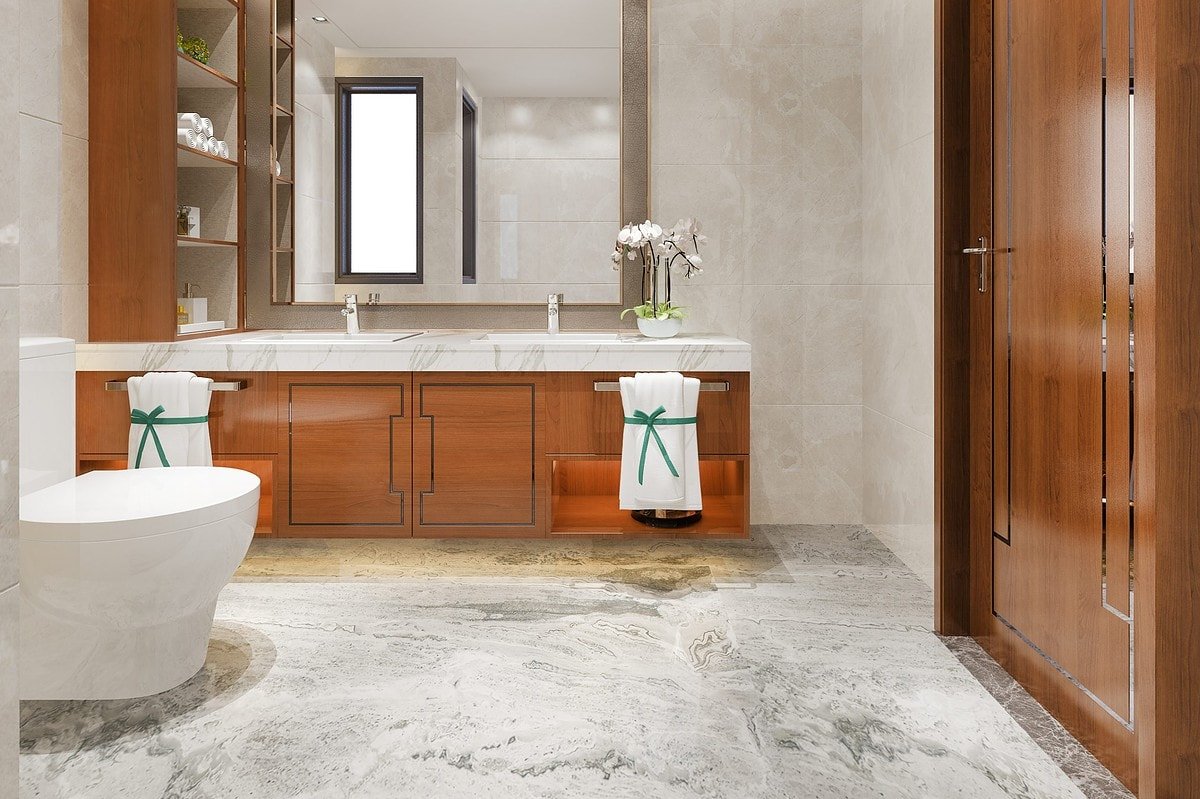
Where a floor is likely to be subject to frequent contamination, for example kitchens and bathrooms, people should still be able to walk on it without the risk of slipping, so special non slip flooring should be in place.
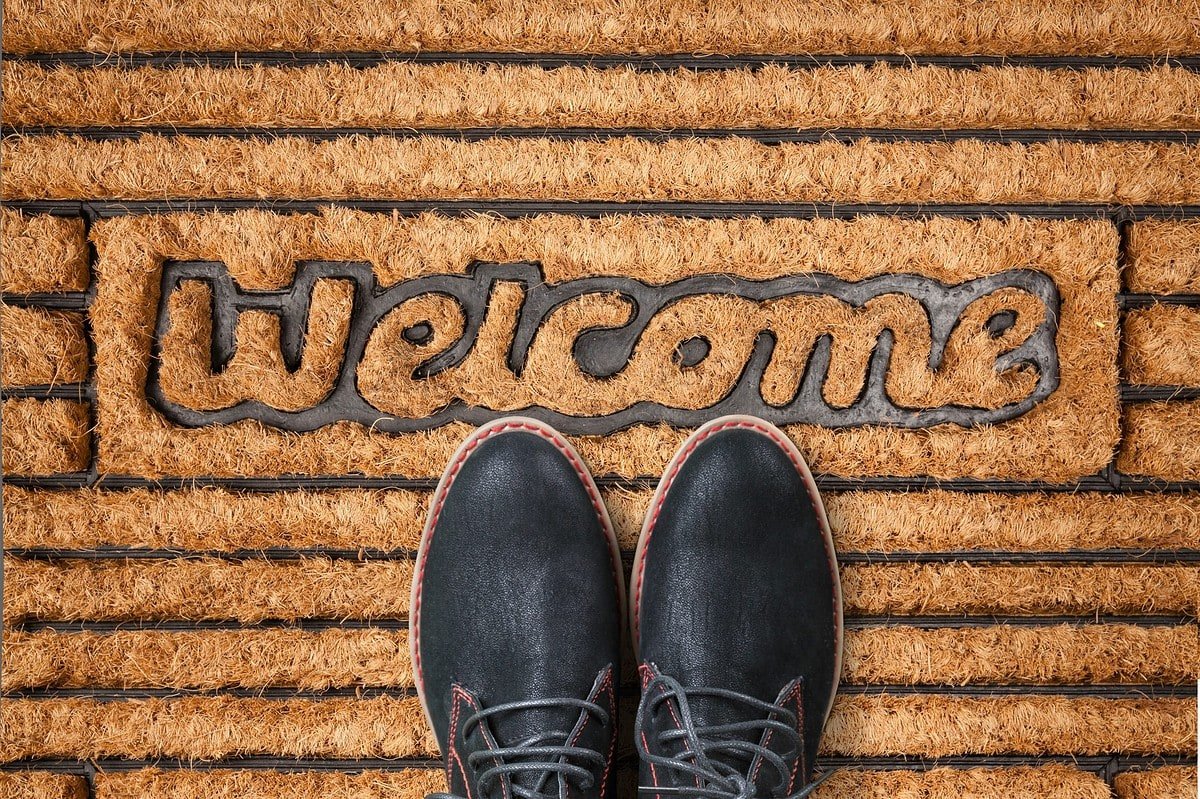
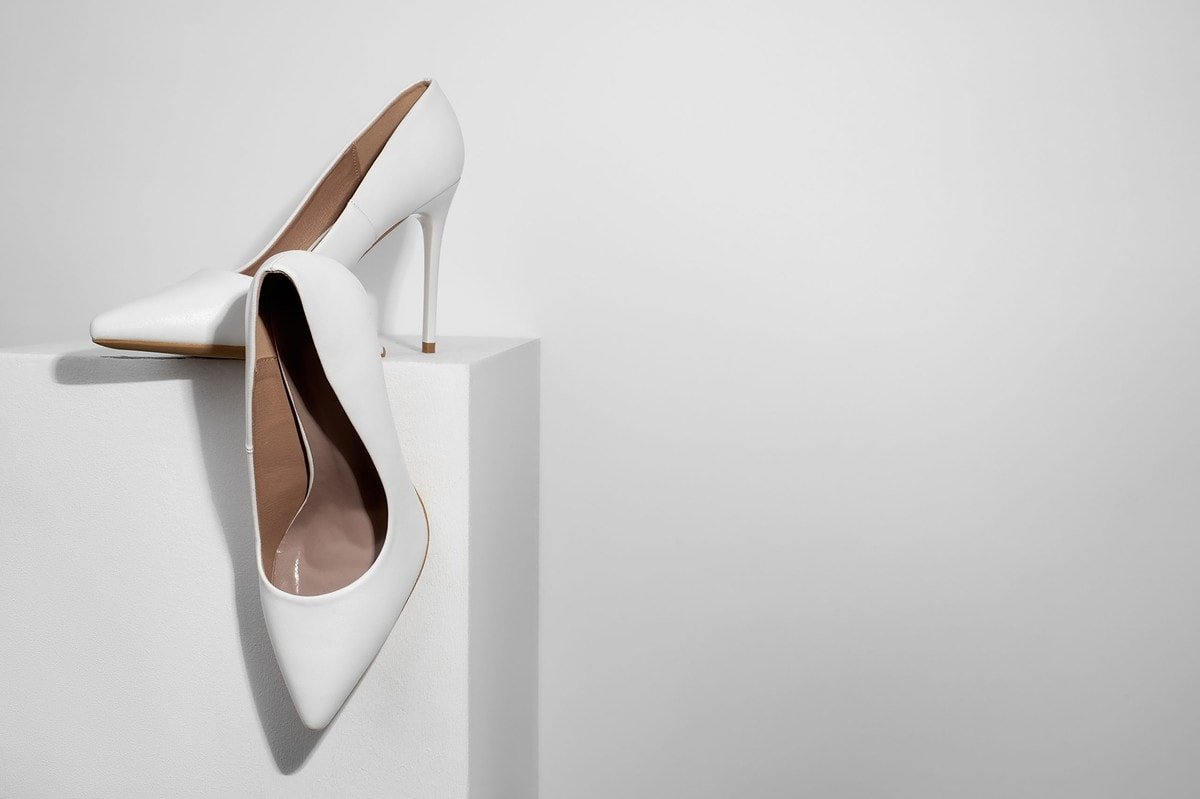
Wearing high heels, flip flops or shoes with long laces can also present a risk. Sensible footwear is essential, even if those heels look gorgeous! Please, no feedback about being sexist here – men can choose to wear high heels and some do so very beautifully!
Ice is a slippery surface, even for the most robust footwear.
Make sure you consider the possibility of ice forming on surfaces causing a slip hazard. Clear ice, usually called “black ice” cannot be seen.

Trips…
Expand each of the points below
Leaving materials, tools or equipment lying around, especially in walkways, are a common cause of trips at work.
You need to use objects to work. But placing an object or material in the wrong place can be unexpected to someone else.
Packaging and waste materials are often culprits of becoming trip hazards.
Don’t end up like this poor guy!
We said loose mats and floor coverings can be a slip hazard. They can also be a trip hazard.
A rug curled up at the corner, a loose floorboard sticking up, and unlevel tiles can all cause trips.
Potholes and uneven paving on footpaths can create trip hazards where you do not expect them.
Broken cracked slabs and other maintenance issues should be resolved as soon as possible before an accident has a chance to happen.
Unless you are using wireless equipment, you need to plug it in.
The cable that you use might just get in someone else’s way.
Remember, when you are moving around, so does the cable.
A vacuum cleaner is a good example.
A step that you do not realise is there until you trip up it. That is an obstacle – and a trip hazard.
It is why you see those yellow “mind the step” signs, that sometimes you do not see until it is too late!
Removing waste and cleaning up regularly can help keep your workplace free from slip and trip hazards.
The tool enables people, their carers and family members, to assess their own falls risk. They also provide tailored advice resulting in a plan to reduce their future risk of falls and fractures.
.svg)