
Definitions…
Expand each of these sections…
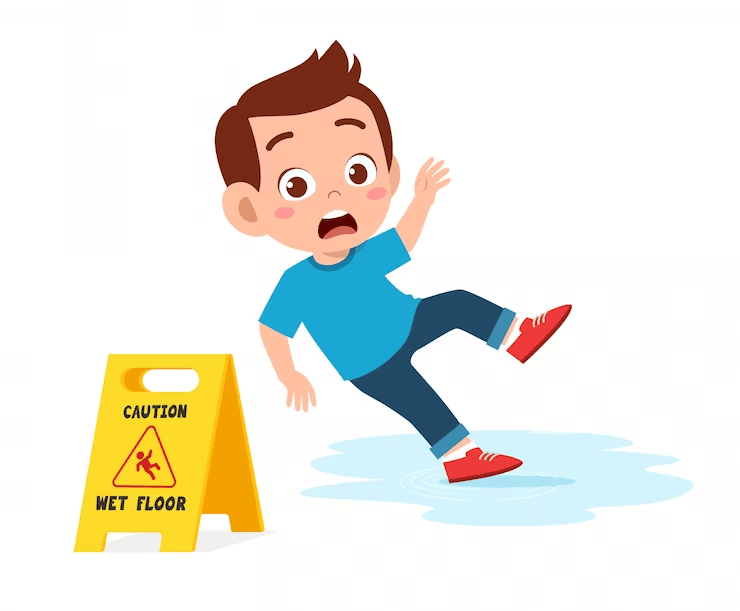
We can often stop ourselves landing on the floor when we slip or trip, by grabbing hold of something to break the fall.
However, sometimes we can make it worse if the object we are holding onto is not stable. For example, slipping on a wet floor and grabbing a kitchen chair may bring the chair down on top of us.
Facts and figures…
In the workplace
Slips and trips are the most common cause of major injuries at work and can happen almost anywhere.
What % of major slips result in broken bones?
95%
Slips and trips in the workplace are responsible for:
Falls in older people…
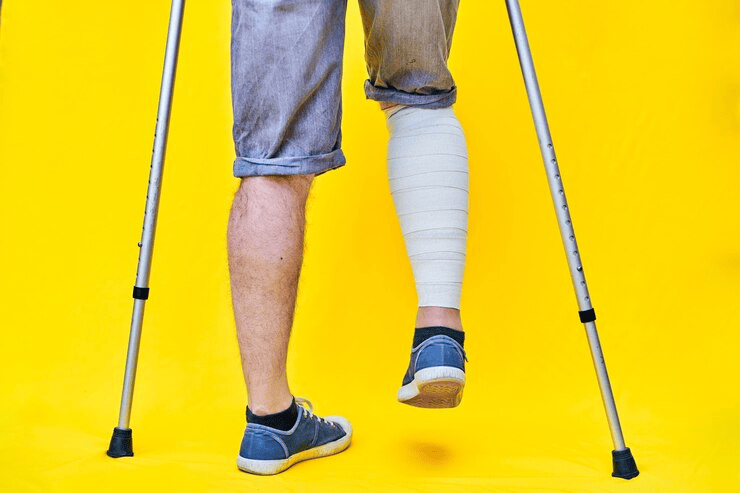
Unaddressed fall hazards in the home are estimated to cost the NHS in England £435 million a year.
The total annual cost of fragility fractures to the UK has been estimated at £4.4 billion which includes £1.1 billion for social care; hip fractures account for around £2 billion of this sum. Short and long-term outlooks for patients are generally poor following a hip fracture, with an increased one-year mortality of between 18% and 33% and negative effects on daily living activities such as shopping and walking.
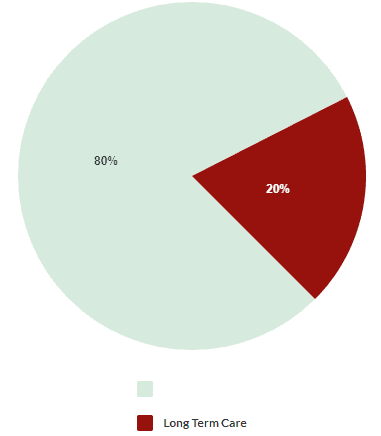
A review of long-term disability found that around 20% of hip fracture patients entered long-term care in the first year after the fracture,
Falls in people with learning disabilities…
Falls are the leading cause of injury, including fractures, in people with learning disabilities.
Research shows that people with learning disabilities are at risk of falls throughout their lives with 25-40% experiencing at least one fall per year.
.svg)



