
10. List tasks relating to moving and assisting that you must not carry out unless you are competent

Over a
third of injuries in the workplace, which lead to time off work, are a result
of poor moving and positioning.
Legislation is
clear that you will need to learn the correct techniques for safe moving and
assisting before you move objects and before you assist people to move. This
involves lifting, putting down, pushing, pulling, carrying or moving objects by
hand or by bodily force.
You will need to know how to competently use each piece
of equipment that is provided. You will learn how to safely support
people to move and how to move heavy objects.
Not recommended!
You are not
allowed to carry out any tasks relating to moving people until you have
received appropriate training and instruction and your manager has checked and
recorded that you are safe and competent to do these tasks.
You can acquire some knowledge and support through
various methods like eLearning, watching videos or attending a training course.
This will include
more about the relevant legislation and how to minimise the risks. Just
attending a training course or doing eLearning and getting a certificate of
attendance does not evidence you are competent. Your knowledge will need to be
assessed and your practice checked by a competent person.
It is likely that
you will carry out simulated practical activities which can be done in the work
place or in a classroom. It is helpful if you yourself can experience being
moved in a hoist so you know how it feels for the individuals you are
supporting.
If you already
have experience in moving and positioning people, you can take a knowledge
assessment and avoid repeating learning unnecessarily. You can then focus only
on the gaps in your knowledge and having your practice checked. This will save
time and money. You can use our moving and handling course to support you with
this.
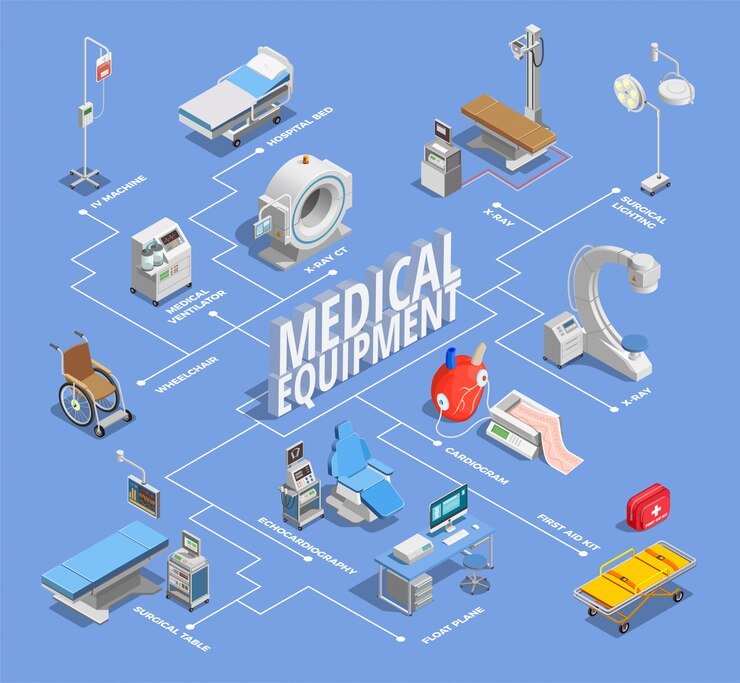
You will need to learn how to use equipment with each
person you support.
You should have
plenty of opportunity to practice safe moves and should try out the equipment
yourself. These are some examples of the equipment you might use:
Using a hoist to
support a person to move between chairs and beds, in and out of a bath, on and
off the toilet.
There
are lots of different types of hoist for different purposes.
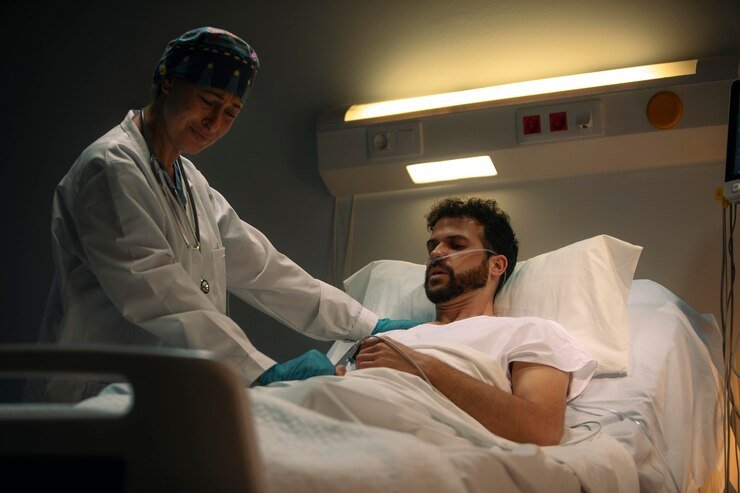
Using the correct
sling for a hoist to meet an individual’s needs.
This will include sizes, weight limits and hoist types.
-How to safely use a transfer turntable.
-How to use slide and glide sheets and
transfer boards with beds.
-How to safely use electric profiling beds
for dependent or immobile individuals.
-Handling belts to assist weight-bearing
individuals which are not for lifting.
-Safe use of lifting cushions.
-How to safely use support rails and poles
including hand rails.
-Emergency evacuation equipment, for example,
an evacuation chair.
How to safely
support people with other types of walking aids.
For example, scooters, frames, trolleys, crutches, walking stocks and wheel
chairs.
.svg)



