
10.1 Introduction

At this point in the course, you have covered a wide range of fashion design skills that will guide you in creating and producing custom garments. As you move on to this final course module, you are now prepared to explore the many different career options available to you in the industry. This final course module will cover the UK fashion industry and the various sectors within it. As you prepare to enter your new career, it will be helpful to have a comprehensive overview of the industry you are entering.
The module will also cover the fashion design resources that are available to you as you emerge into your new career and navigate your way into this new field. If you ever need business or design resources, this section will provide you with the information that will help you during those times. You will also learn how to develop a strong brand name, which is a highly valuable tool and can help you protect your brand and image. Finally, you will wrap up this course with a lesson on how to prepare for London's Fashion Week, which is something that you will use time and time again in your career.
10.2 The Fashion Industry in the United Kingdom
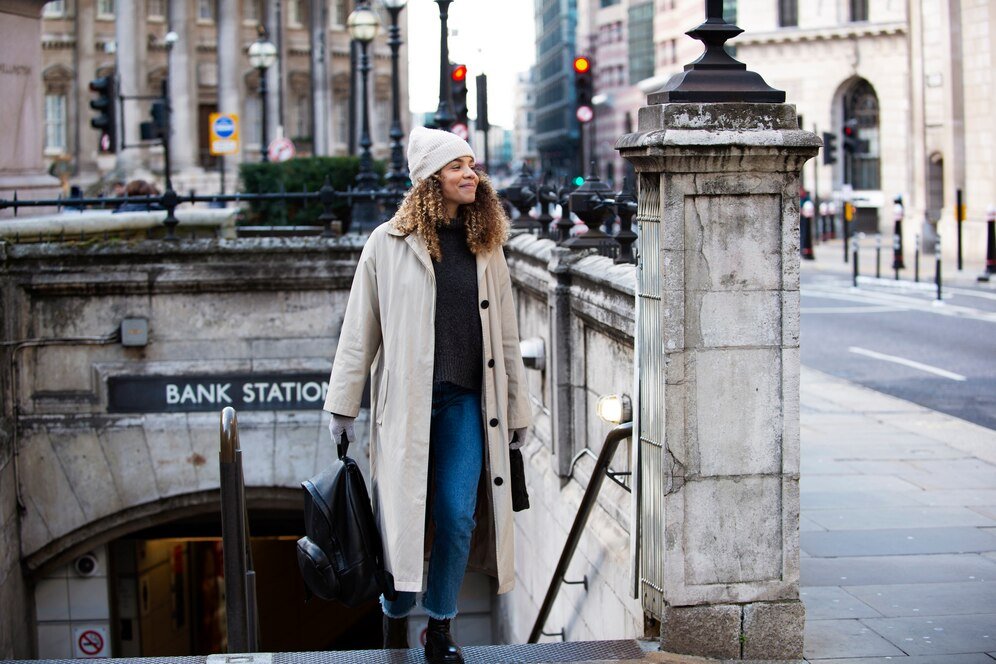
The United Kingdom has a unique fashion industry that represents the largest creative sector with fashion and textile exports alone estimating over £6.5 billion. The fashion industry is one of the things that makes the United Kingdom appealing and attractive in comparison with other countries. To see just how unique and special the UK fashion industry really is, the information below will delve a little deeper into the industry.
Top Fashion Companies
The fashion industry in the United Kingdom employs over 500,000 people in a variety of different sectors. There are several fashion retailers across the United Kingdom that you should be familiar with in case you decide that you would like to enter the retail business.
Next
UK fashion retailer Next is one of the largest fashion retailers in the United Kingdom. The first store opened in 1982 offering exclusive shoes, accessories, and high-end clothing for men and women. Today, Next trades from over 500 retail locations in the United Kingdom and from 200 stores in 40 countries worldwide. In addition to their retail stores, Next has launched combination home and fashion stores, mail order operations, and online shopping.
Marks and Spencer
As one of the top fashion retailers in the United Kingdom, Marks and Spencer has annual sales of over £10.3 billion. This retail giant specialises in selling menswear, womenswear, lingerie, children's clothing, gifts, food, and even floral.
Burberry
Burberry is an iconic fashion brand that has a market value of over £4.8 billion. This fashion brand has expanded globally and is popular in the US as well as the United Kingdom. The famous Burberry check was created in the 1920s and is still used to line trench coats today.
New Look
New Look rounds out our list as the fifth largest fashion retailer in the United Kingdom. This retailer began in 1969 as a single fashion store, then quickly grew into a leading brand. Today, New Look has 501 stores across the United Kingdom and 276 stores throughout Asia, China, and Europe.
Fact
Fashion is the largest employer of all the UK's creative industries. The UK fashion industry is estimated to support 797,000 jobs, and its direct value to the UK economy is estimated at £26 billion.
Source: kent.ac.uk
10.3 Why UK Fashion?

Although the fashion industry is a global market, there is one region that is unrivalled and known for its creativity, βlair, and luxurious fashions. The United Kingdom is unmatched when it comes to producing tailored garments, custom haute couture, and bright, quirky clothing. Entering the UK fashion industry offers you an exciting opportunity to join an elite group of designers. Before you do, it is important to understand who you will be designing for and what makes the industry unique. So, to help you along the way, let's look at what makes British fashion distinctive.
Professionalism and Originality
UK fashion has a unique sense of professionalism and originality that sets it apart and makes it one of the most inβluential fashion industries in the world. British fashion is well known for expressing a fearless and individual taste.
For instance
This might be mixing patterns, prints, and styles, which many people in the United Kingdom effortlessly pull off. Another key factor that sets British fashion apart is dressing professionally without looking too polished. This is achieved by mixing and matching style staples with accessories. Also, unlike the US, it is not common to see athletic or casual wear worn out.
Widespread Expertise
The United Kingdom is home to several top fashion designers who can take classic fabrics and styles and innovate them into something uniquely special. This is how the UK can offer world-class designs in every area, including footwear, accessories, womenswear, and menswear.
Retail and Manufacturing Link
One of the biggest strengths of the UK fashion industry is the strong link between designers and retailers. Retailers in the UK were the βirst in the world to bring designer collections onto the streets, making shopping one of the main reasons why tourists visit yearly.
Activity 1
Estimated Time: 25-30 minutes
In this activity, you will take some time to explore these retailers a little further.
Try to visit them in person, or explore the websites to see what they offer. Do your best to research all the retailers mentioned in the module and get a good idea of the industry you are about to enter.
You should also look for any other retailers that match your unique career goals as they could be your competition.
Next, you should delve deeper into the UK fashion industry and explore what defines the British style. Did you find anything in your searching that inspires your own designs?
10.4 Career Opportunities in Fashion Design

In previous modules, you learned a little bit about skills that will help you in your career as a fashion designer. You were also given a brief breakdown of the tasks that most designers do daily. However, you have yet to learn about the many different career options that are available to you once you complete your education.
Now that you are in the last module, it is time that you explore your opportunities, so you can narrow down the selections and begin planning for your new career. As you already know, a fashion designer creates clothing, which can include trousers, skirts, suits, accessories, and shoes. However, there are several areas of specialisation that you can branch out into, including opening your own business, entering a niche, or even tailoring and computer-aided design.
Requirements
Although you do not need a college degree to become a fashion designer, you should earn one because many of the designers competing against you for jobs will have a formal education. Since you are well on your way to course completion, there are other things that you can do to gain additional experience as a fashion designer.
For example
Many first-time designers will enter an internship to gain hands-on experience in fashion marketing, manufacturing, and merchandising. You can also take on a job assisting an established designer, which offers you the unique opportunity to gain experience from a seasoned professional.
10.5 Career Positions as a Fashion Designer
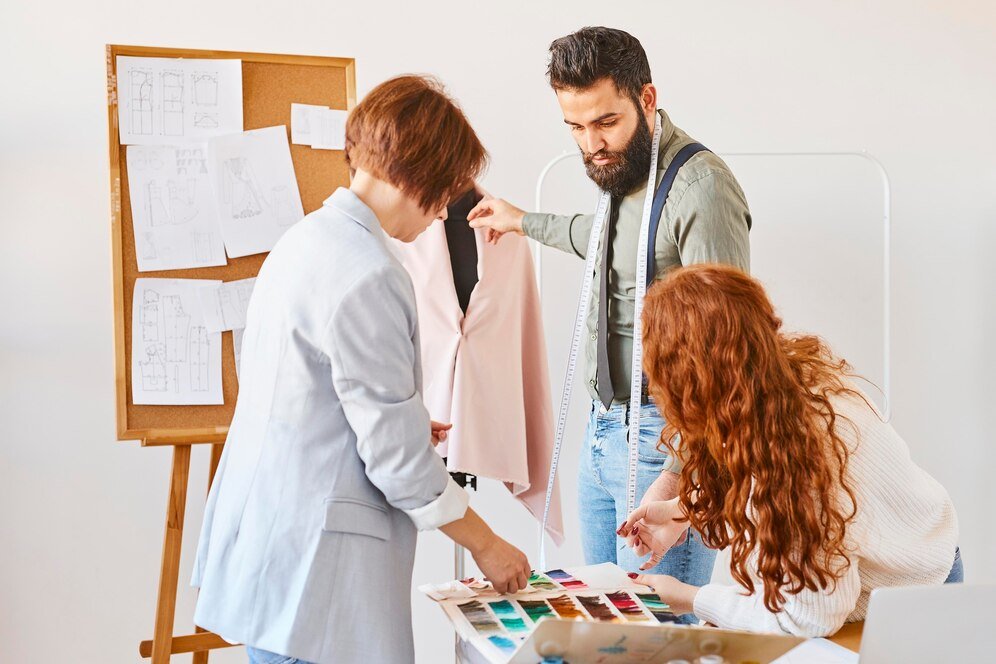
Since the fashion industry is so broad, you have a wide variety of career positions to choose from. Below you will find a few of the more popular areas that aspiring designers decide to enter.
Fashion Designer
A fashion designer is involved in every aspect of clothing design from concept to completion. This involves development, production, and manufacturing. Fashion designers have an extensive knowledge of apparel design, fashion concepts, sewing, garment construction, industry trends, and different textiles. Most fashion designers are also specialists, which means they enter a sub-market like women's or men's apparel.
Assistant Designer
An assistant designer works alongside the fashion designer and performs many of the same duties in an assisting role. The assistant director will help the designer through every aspect of design and production, ensuring that everything runs according to schedule. Typical duties of an assistant include sketch development, material presentation, clothing demos, and fabric sourcing.
Pattern Maker
Pattern makers focus on creating patterns and specs that detail how each component of a garment should be manufactured and pieced together. Many pattern makers today will use computer software, CAD, and 3D imaging to develop their patterns and specifications.
Fashion Merchandiser
Many design students will eventually advance towards a degree in fashion merchandising because it offers an increase in pay and status. A merchandiser determines what fashion, accessories and clothing lines get produced. Merchandisers generally work as executives for companies and are tasked with researching, planning, and identifying fashion trends.
Fashion Buyer
A fashion buyer is responsible for planning sales, monitoring inventory orders, pricing vendor orders and selecting merchandise for sale. Fashion buyers are usually given a fixed budget and are expected to get the best possible return. These positions are very competitive and usually take years to earn.
Assistant Fashion Buyer
Before you can become a fashion buyer, you must first become an assistant fashion buyer. Assistant buyers help with every area of fashion purchasing, interact with customers, and they also help to plan budgets.
Merchandise Manager
A merchandise manager, also known as a DDM or divisional merchandise manager, holds one of the highest paid positions in the fashion industry. Merchandise managers supervise merchandise departments, fashion buyers, and other departments.
Design Director
The design director is responsible for overseeing trends, colours, and fabric direction for all product lines. They are also in charge of marketing and the manufacturing process.
Fashion Director
A fashion director is required to have an in-depth knowledge of market trends and branding strategies and must attend the industries top shows in London, Paris, Milan, and New York. Additionally, a fashion director is required to forecast trends and manage buying teams.
Couturier
As you know, haute couture is a custom, high-end method of crafting made-to-order garments for private clients. This technique is unique to Paris only and requires individuals to comply with some strict requirements. A couturier is highly skilled in garment construction, production, and design, and enjoys crafting one-of-a-kind apparel for private clients. Couturiers can be self-employed, or they can work in an exclusive boutique.
Fashion Forecaster
In the previous modules, you tried your hand at fashion forecasting, so you have some practise with predicting fashion trends. A fashion forecaster is a market analyst who predicts consumer tastes and fashion trends.
Costume Curator
Fashion or costume curators design apparel or accessories from other eras, cultures, or contemporary designs. The curator also restores and cleans damaged garments and textiles and repares lectures for the public.
Tailor
A tailor is an expert in garment construction, sewing, support and structure, and fittings. Tailors are responsible for developing designs, changing existing designs, and creating made-to-measure clothing.
10.6 Resources in the United Kingdom

The careers above are just some of the several different sectors that you can choose to enter in the very broad fashion industry. If you are still undecided or would like some additional career resources, the following information should be helpful.
Fashion and Textiles Apprenticeships
Due to the enormous growth and the competitive nature of the fashion and textile industry, the UK offers apprenticeships in saddlery, textiles, footwear, leather goods, and apparel. You can apply for an intermediate or an advanced apprenticeship that allows designers to train in several different roles.
UK businesses are also offering training opportunities in the following niche activities:
Product development
Brand creation and development
Creative design
Inexpensive, small scale manufacturing
For more information on either of these opportunities, you should contact the Skills Funding Agency.
Event Insurance
If you plan to launch a fashion show or fundraising event to showcase your collection, you will need insurance for your event, so you are protected from any unforeseen circumstances.
The following UK businesses specialise in providing event:
BNF Insurances Services
Graham-Sykes Insurance
Hiscox Uk
Business Resources
The previous module covered some important information you will need to know if you want to design, produce, and sell your own clothing label. If you decide to forego the career options above and open your own business, there are a few legalities that you need to go through. Once you have chosen to open your own business you will need to register as a sole trader, limited company, or a partnership. Most designers will choose to register as a sole trader, and in this case, it will be your responsibility to keep records of your business expenses and pay income taxes.
You can do this online at www.gov.uk. The next thing you must do is apply for a national insurance number. This number is used in the United Kingdom as a personal account number and sometimes in the tax system. This you can do through Jobcentre Plus, at the www.gov.uk website. Finally you will need to obtain business and liability insurance. To find insurers in the United Kingdom, you can contact the Association of British Insurers at www.abi.org.uk.
Activity 2
Estimated Time: 25-30 minutes
Take some time to review what you learned on each of the job opportunities, and if you need more information on each of them, you should research the careers in detail.
Once you have enough information on each career path, write down some specific career goals, which will guide you in your path towards selecting your future job. Try to be as detailed as possible when you are writing your goals, and include where you would like to be in two, five and ten years.
After you have created a list of your goals, you should make a pros and cons list based on each of the positions. Your pros and cons should be based on your goals. If you dedicate enough time to this activity, it should help you narrow down your selections.
10.7 Developing Your Brand Identity
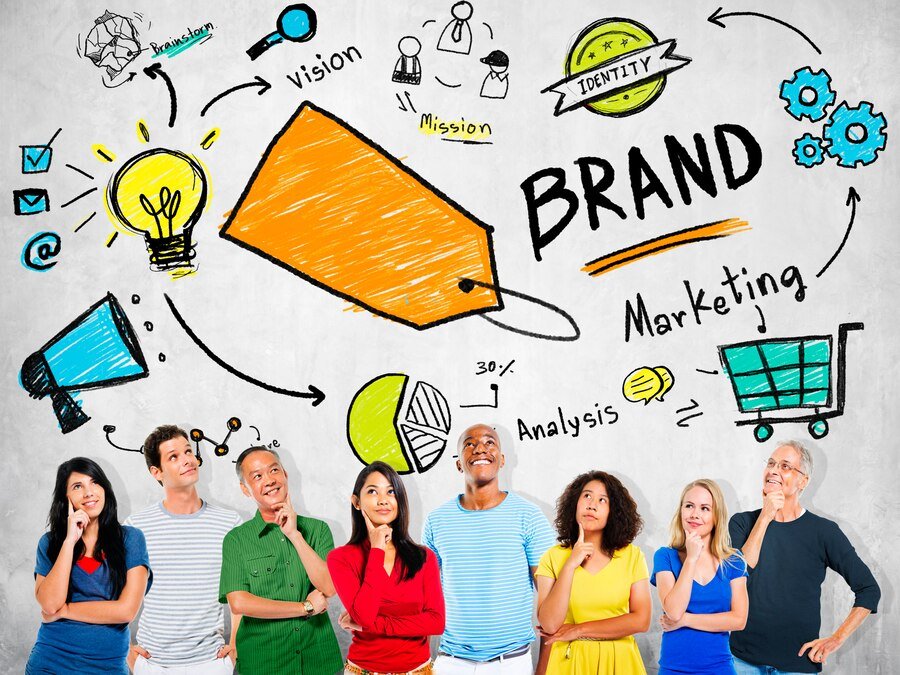
Branding is an important part of your fashion label that many designers often overlook. During the marketing process, you created all your visual elements, which likely included website design, packaging, and logos, but defining your brand identity stretches much further than that. When you are focusing on branding, try to think of a few words to describe your brand.
For instance
If the words you come up with are sophisticated, fun, and βlirty, make sure that is the feeling that you want people to have about you.
Why is Branding Important?
As the fashion industry continues to grow, it becomes harder to set yourself apart and make a name for yourself in the industry. Branding is an important step that helps you stand out amongst the competition. Many times, a customer will purchase items based solely on a particular design or brand image.
How to Brand Yourself in a Label
If you want to be the face of your clothing, accessories, or unique designs, it will take some creativity and footwork. The most important thing to remember when branding your label is consistency throughout your entire line. You should be consistent in labelling, packaging, social media, and your designs. This also includes how you communicate with customers, manufacturers, employees, and even how you answer the phone.
Remember, your brand reflects you, so it should be consistent throughout. You should also define the who, what, and why of your brand. This will be the culture you are trying to appeal to and the backstory of your brand. You should also concentrate on what makes you different from everyone else. Always focus on customer service and polarising your audience. Don't be afraid to take a stand and make a mark in the fashion world. Remember the best brands speak out and let everyone know who they are and what they represent.
10.8 Preparing for Fashion Week

London's Fashion Week occurs twice a year and is a highly-coveted event for avid fashion fans and celebrities. For designers, forecasters, manufacturers, and models it is the busiest time of the year. The week-event is produced by the British Fashion Council, features some of the top designers in the industry, and offers a sneak peek of what designs will be offered next season.
For many designers, this event can be the most rewarding and stressful week of their entire career. Fashion Week offers designers the opportunity to showcase their designs alongside the best designers in the industry. With some preparation, Fashion Week doesn't have to be a stressful event. The following tips will help you navigate your way through your first experience with the busiest fashion event in the industry.
Set a Target
Before you head out to London Fashion Week, set your sights on one strategy.
For example
Is your goal to increase marketing for your designs?
Maybe you are attending to boost sales or meet new designers. Regardless of the end goal, go into the event with a goal and stick to it.
Be Prepared
If you are planning on showing your designs at Fashion Week, it is important that you are incredibly prepared. You should know the price of all your products in dollars, euros, and pounds in case you are talking to international buyers. Also, you should know recommended retail and wholesale pricing by heart.
Follow Up With Contacts
Meeting and connecting with people at Fashion Week is only the first step in your relationship. After you return from Fashion Week, it is important that you follow up with any industry contacts that you make. You might be busy after returning, but it is crucial that you remember to follow up and add your contacts to any mailing lists that you have, which will keep them up to date with press releases.
MODULE SUMMARY
This final course module was written to help guide you towards your career goals in the fashion industry. The previous modules provided you with the skills you will need to create your own custom garments from beginning to end. With the design, technical, and business skills in tow, all you have left to do is select your career path, which is where this module comes in.
The module began with an introduction into the fashion industry and provided you with some of the top fashion retailers in the United Kingdom. You also learned about what makes the UK fashion industry unique. As you continued to work your way through the module, you were introduced to the different career opportunities available to you as a fashion designer. This included requirements for entering the profession and entry level positions. The module also taught you how to develop your brand value, which is important if you are going to start your own fashion design label.
Finally, this module gave you some tips to help you prepare for Fashion Week, which will be helpful for you as this will be the biggest week of your design year. As you prepare to enter the industry as a new designer, the information you learned here will help guide you towards career success.
.svg)



