
5.1 Introduction

When it comes to creating your own fashion designs, it is critical that you have an expansive knowledge of the different Fibres, yarns, and fabrics available to you. Throughout the course of your career as a fashion designer, you may view hundreds of different fabrics every season, but will only select a choice few. It is for this reason, and many others, that textiles are the most important element in fashion design.
Fashion derives from the textiles and materials available on the market, so a great fashion designer should have a wide range of textile knowledge. At this point in the course, you have acquired some great skills, which you will need in your career. However, once you have created a fashion design sketch, you need to understand how various materials will drape, shrink, and βit, ensuring that the pre-production process βlows with ease.
This module was written to provide you with the exact knowledge you will need to acquire those advanced skills. Once you have completed this section, you will be able to accurately identify different textiles, fabrics, and fibres, which should help your designs reach production.
5.2 An Overview of Material Terminology

When you enter the fashion industry, you will hear the words fibres, textiles, fabrics, and yarns frequently. Before you can use these materials, you need to know what each of them is so you can differentiate between them.
Fibres
The term fibre can be used to describe an animal, mineral, or vegetable substance. Fibres are thin, long, flexible structures that exist in natural form and are used for constructing fabrics in fashion. When a fibre is artificial or synthetic and is processed into a continuous yarn or thread, it becomes a filament. That filament can be spun into yarn, which is then woven into a fabric.
Yarns
You might already be familiar with yarn from crafting or other DIY projects, but yarn is actually an essential staple in fashion design. This material emerged in the 18th century using a variety of methods, including open-end friction and centrifugal spinning. These processes all work to twist and spin fibres, which forms the yarn you see and work with today. If you have ever seen yarn in bulk, they may all seem the same. However, there are several different types of yarn. The most common types are polyester blends called filament and nonfilament yarns. There are also staple yarns, which are produced from short length fibres.
Fabrics
Fabrics are products or materials that are made by weaving, knitting, or crocheting. There are also non-woven fabrics, which are constructed through twisting, braiding, and felting. At first, it might seem like fabric is a simple cloth, but to understand fabric, you have to look at its ingredients. If you look at a basic fabric sample, you might notice that it consists of multiple threads, which cross over each other in a weaving pattern. The threads that you are seeing give the fabrics its properties and characteristics. You can find the quality of the fabrics hidden within these threads.
For example
Poor threads equate to poor fabric and vice versa. You may have heard of or even purchase bed sheets with a high thread count, which make them more comfortable. This is an example of how fabrics qualities can range. Threads are a textile product that cross over and under each other to form a cloth, which is then used in garments.
What is a Thread?
Threads serve a variety of purposes in fashion, but perhaps their most important function is to increase the quality of garments. All threads begin as simple fibres that can either be very weak or strong depending on their properties. When you twist together short fibres or continuous fibres, it produces yarns, which are responsible for the strength and flexibility that make up a good thread. This process is called 'spinning'.
Spinning Threads
How to Determine Thread Quality
When you are selecting a thread in garment design, there are several factors that you should consider. Although you should use a strong fibre, it is important to consider quality, comfort, and many other aspects.
What to consider when determining which thread you will use for your designs:
Raw Materials - Pure and raw materials contain more micro strands within each fibre, which makes it a higher quality thread count.
Processing - Often times, a company will begin with a raw material, but cut corners in the processing phase. For this reason, it is important to consider selecting materials that utilise quality processing methods. An example of this might include twisting the thread or eliminating excessive lint.
Ease of Use - Your thread should easily come off the spool and consistently wind off the cone.
Strength - When selecting your thread, it is important to make sure the material is strong enough for the project at hand. For example, an embroidery thread does not require as much strength as a quilting thread. Alternatively, a thread for piercing does not need to be as strong
as a quilting thread.
5.3 The Main Fibre Groups Used in The Fashion Industry

If you take a closer look at the inside of your clothing, you will notice a label, which will indicate the content or material your garment is made of. For example You might own a polyester or cotton blend garment. The little label on the inside of your clothing will also indicate care instructions and any additional information about the apparel. It might surprise you to learn that the little white label on your clothing is a very telling piece of information regarding your garment. However, to understand what you will read and eventually write on that label, you need to have a grasp on the main fibres used in the fashion industry. Let's begin with a basic understanding of fibres and their applications in clothing.
Natural Fibres
In the fashion industry, you have a world of materials available to you, so you should have an understanding of the basic fibre groups, so you can take advantage of your many selections. The first group of fibres is natural fibres, which have become increasingly popular with the emergence of sustainable fashion. Natural fibres were the very first fibres used thousands of years ago to make clothing. These fibres are split into animal and plant fibres.Cotton and wool are natural fibres because these fibres come from natural sources.
Regenerated Fibres
The next group of fibres that you need to be familiar with are regenerated fibres, which were introduced in the late 19th century as an inexpensive solution to silk. These fibres begin as a raw material known as cellulose and are then reformed or regenerated. The most common regenerated fibres that you will see in the fashion industry are rayon and viscose. However, acetate and triacetate are also popular fabrics and are used for their draping and soft handle.
Synthetic Fibres
This final group is another man-made fibre that is frequently used in the fashion industry, primarily to manufacture inexpensive clothing. Synthetic fibres contain no plant or animal materials. In fact, these textiles are made entirely of chemicals, and they are also much stronger than natural and regenerated fibres. You will see quite a few of these fibres in your career.
The following are the most popular in the industry:
Polyester - In recent decades, the demand for polyester has doubled, making it the second most popular fibre textile next to cotton. This fibre is created from petroleum products and several other chemicals through a complex manufacturing process.
Nylon - These synthetic fibres are also called polyamides and refer to a synthesised petrochemical. This textile is used in a variety of industries and was first introduced in the fashion industry for women's hosiery before World War II.
Acrylics - Another big group of synthetic fibres is acrylics, which is made from mineral oil and other hydrocarbons. The manufacturing process in these textiles involves a variety of harmful chemicals so these materials are slowly being replaced for more sustainable fabrics.
Although these are the most commonly used fibres in the industry, several others will help you to create beautiful clothing designs.
Below are a few other popular examples:
Metallic fibres - These substances are drawn from metals like silver, gold, and copper and are then deposited back into more brittle ones such as aluminium or iron. You might see these fibres in embroidery, braiding, or roping features.
Polymer fibres - Polymer fibres are a subset of man-made fibres and are made of synthetic chemicals. A popular example of a polymer would be spandex.
Microfibers - When you hear the term microfiber, it refers to a sub-denier fibre, which is a measurement based on weight and length. These are very fine fibres that are manufactured under special processes so they are dense, flexible, and soft.
5.3 Understanding Textile Fibres and Their Properties
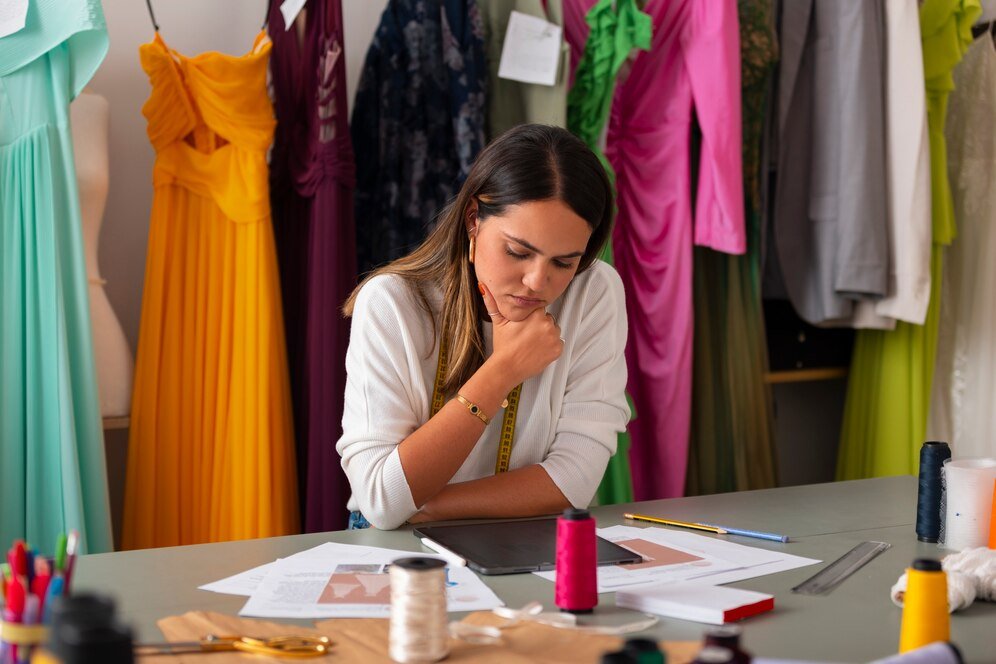
Now that you know the main types of textile fibres that you will see in the industry, it is important that you understand each of the key fibres and their properties, so you can identify them when you design. Let's begin with the natural fibres, which as you know are broken into both plant and animal groups. Both of these categories contain several widely-used fibres that you may even recognise or use frequently.
Plant Fibre
Textile plant fibres are known as cellulose, and these usually include seed hairs, stems, or leaves. There is an expansive amount of plant fibres that are used in the fashion industry, some of which dominate the field.
The following are a few of that you will see and work with the most:
Cotton - When it comes to fabric, cotton rules the textile industry. This fibre is made of pure cellulose and is the world's most largely used natural fibre.
Flax - This is one of the strongest vegetable products in nature and one of the first to ever be harvested and woven into textiles. Flax fibre is easy to cultivate and absorbs moisture well, which makes it easy to make fabrics for hot climates. One fabric example that comes from the
flax plant is linen.
Hemp - With the popularity of eco-friendly clothing and other sustainable materials, fibres like hemp, which is made from the Cannabis Sativa plant, grew very popular. Hemp is a long- lasting fibre and is over 25 times more durable than cotton. Many designers are using it to make cloth, canvas, and paper.
Jute - These strong threads are used throughout the world to create burlap sack cloths.
Animal Fibres
The second subset of natural fibres is animal fibres, which consist primarily of proteins from different animals. These can include hair, fur, silk, feathers, and even secretions. Once the fibres are extracted, they are manufactured and used to make some of the most popular designs in the fashion industry.
Some of the most popular animal fibres include:
Silk - Surprisingly, silk is not a plant or a synthetic fibre, it is actually an animal textile, which is derived from silkworms. These fabrics have a sheen, are smooth to the touch and a quality fabric of choice for dress materials.
Wool - This type of fabric is preferred for winter apparel because the fabric is warm and soft to touch. The most common type of wool in the textile industry comes from merino sheep, but angora and alpaca wool are also used in high-end luxury fabrics.
Cashmere - You might recognise this fibre in luxury high-end apparel for its exceptionally soft feel. Cashmere is derived from the neck region of the fine-haired Cashmere goat.
Camel - The softest and finest fibres are found on Bactrian camels and are used to make sports coats and sweaters.
Activity 1
Estimated Time: 25-30 minutes
For this activity, you should gather some of your own clothing items so you can identify different fabrics. Since we learned about several different materials, think outside of the box and grab different textures and designs. After you have your materials, you should look at the label inside of your clothes to determine what they are made of.
Do you recognise any of the materials from the module?
You might automatically notice that you have a cotton or a cotton blend shirt, which is a very common material, but were there any other fibres that you found?
What about other fabrics like silk or linen? Try to locate at least one of both of these fabrics and compare the two, what do you notice?
5.4 An Overview of Fabric Construction
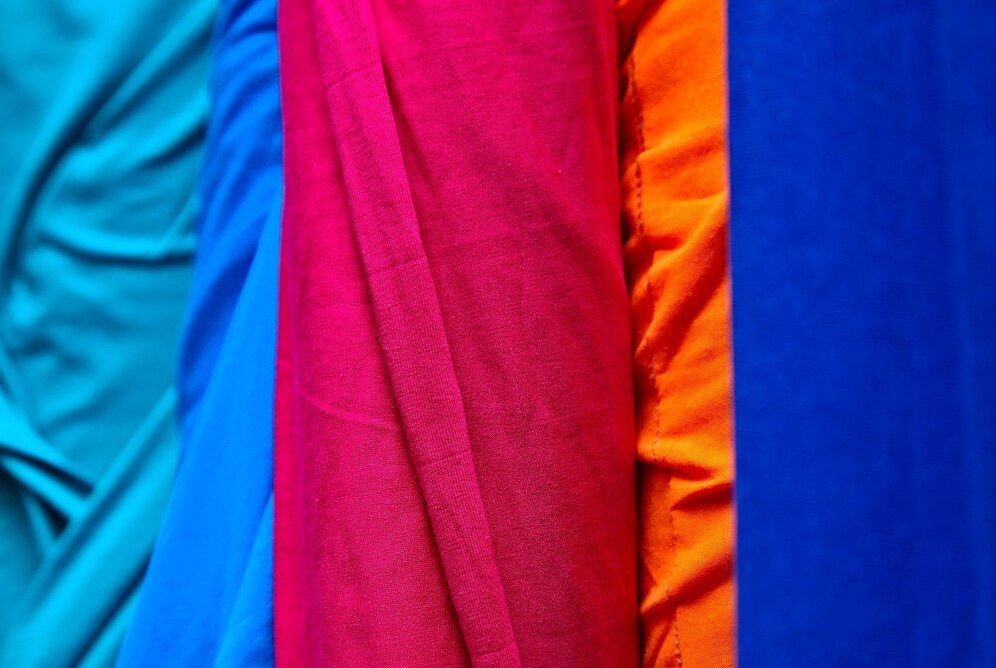
After learning about threads, fibres, and yarns, it might all seem a little overwhelming, especially when it all results in a final garment. As a fashion designer, it is important that you understand how all of these materials work together to make the fabric that you work with every day.
So, with all these elements, you might be asking yourself how you can pull everything off your mood board to make your sketches and vision come to life. Well, let's begin by looking at the basics of fabric construction. Most fabrics are made by knitting or weaving yarns, but there are non-woven fabrics that are constructed through bonding or felting fibres together.
One important thing to remember as the designer is that a fabric's appearance and performance is greatly impacted by how it is constructed. The following are some of the ways that fabrics are constructed.
Woven Fabrics
A woven fabric can be manufactured in different widths and cut in different shapes. These materials are excellent for producing different styles in garments. Woven fabrics are constructed with interlocking yarns strewn together on a loom. The yarn going across the width of the fabric is referred to as a weft and the yarn going down thelength is called a warp. On the side of the fabric, there are wefts, which are double backed with a non-fraying edge. These are called the selvedge.
There are three types of woven fabrics that you should be familiar with:
Plain weave - A plain weave forms a strong criss-cross pattern and is used for sheets, shirts, and basket weaving.
Twill weave - Another strong weave that drapes well and is used for jackets, jeans, and curtains is a twill weave. This material is formed with diagonal crossings of weft and warp threads.
Satin Weave - A satin weave fabric is constructed with a complex arrangement of threads, which create longer 'βloats' of thread. The long floats create a smooth, shiny surface, which is used in nightgowns, sheets, and evening gowns.
Knitted Fabrics
If you have some creative skills or enjoy crafting projects, you might already know how to knit, which will be handy in your fashion design career. Knitting involves constructing elastic fibres into knitted fabrics. Knits are easy to sew, lightweight, and are comfortable to wear. Since knitted fabrics are more flexible and can be built in smaller pieces, they are very like woven fabrics. However, the construction methods are a little bit different.
Knitted fabrics can be made by hand or machine, and the process involves strewing together long lengths of yarn. Knitted fabrics can be either weft knitted or warp knitted. If you remember a weft fabric, you will remember that it runs in a row across, so a weft-knitted fabric is made with yarn run in rows across the fabric and diagonally for a warp knit. There are many types of knit fabrics in the fashion industry, but the most common ones that you will see include jersey, rib, and interlock fabrics.
Although there are several knitted fabrics, many of them share the following characteristics:
-Knitted fabrics do not unravel
-Knitted fabrics wrinkle less than woven fabrics
-All knitted fabrics have a degree of built-in stretch
Laced Fabrics
Lace fabrics are manufactured in a variety of widths and measurements, which means you might see used as embellishments, or in an entire garment. Lace consists of a network of yarns or threads formed into an intricate design. There are two common types of lace fabrics: trimming and nylon net laces. A trimming lace fabric is generally used for décor or apparel and is available in a range of costs. Also, they are manufactured with a narrow width range. Nylon net lace fabric contains a net background for embroidery.
Woollen Fabrics
When you learned about animal fibres, you might remember learning about wool fibres, so you already know where wool yarn derives from. Woollen fabrics are loose woven fabrics that are constructed from wool yarn using a plain or twill weave. These fabrics are soft and extremely durable. You might see a wool fabric used in a thick men's coat.
Blended Fabrics
If you think back again to what you learned earlier in the module, you will remember that there are two types of yarn and that a staple yarn is produced from short fibres. A blended fabric is the combination of these two different types of yarns, which results in a third type that contains both properties of the fabrics. These fabrics are desired for their stylish patterns, softness, and various designs.
For example
A blended fabric might include a polyester cotton blend or a cotton silk blend.
Non-woven Fabrics
When a mass of fibres is held together with a fusing action of heat, adhesive, or chemicals, it becomes a non-woven fabric. Spun lace, bark cloth, and felt are all non-woven fabrics.
Fact
Cotton accounts for 90% of all natural fibres used in the textile industry. It is used in 40% of all apparel produced globally, with synthetics accounting for 55%.
Source: theguardian.com
5.5 Fabric Performance Characteristics and Finished
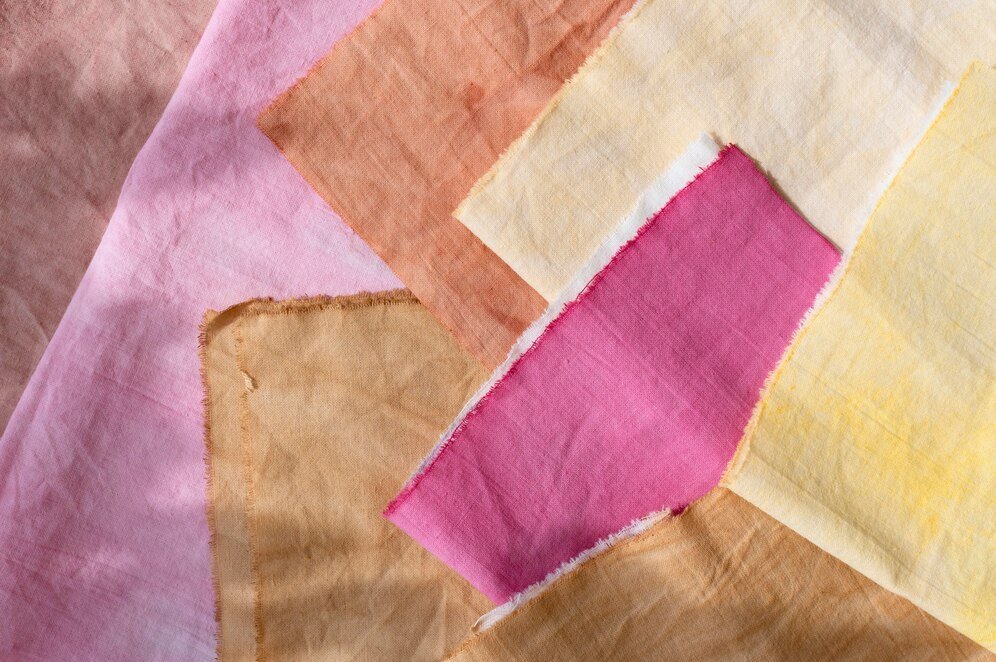
You just received a basic overview of the fibres, yarns, and fabrics that you will see in the fashion industry. Since it is impossible to cover every material used in the fashion industry, you should try to always stay up to date with the latest trends. With what you learned in this module, you are well on your way to understanding any new fabrics or materials that might become fashionable throughout your career. There are a few more terms, which you will need to know, that relate to fabrics. When you are designing, you will need to consider the performance characteristics of different fabrics you use in your garments. So, to get a better understanding, let's look at what you need to take into consideration.
Abrasion Resistance
When a fibre, yarn, or fabric meets another surface, it will cause damage to the surface of the material. To avoid this, abrasion resistance testing is applied to ensure the material can resist surface wear.
Absorbency
The absorbency of fabric is a very important property that can affect many elements of your design, including shrinkage, skin comfort, static build-up, and wrinkle recovery. Absorbency refers to the ability of a material to take in moisture.
Antibacterial
The chances are good that you have an antibacterial product somewhere in your home. You do not have to be a germaphobe to be familiar with these, but it might surprise you to know that they are infused into fabrics. Antibacterial fabrics are chemically treated βibres that inhibit the growth of micro-organisms.
Anti-Static
You will want to be familiar with anti-statics, which come in either fabrics or fibres that eliminate the build-up of friction or rubbing. This is especially important when designing high-end fashion clothing for women.
Flame Resistant
A βlame-resistant fabric has been treated with a chemical agent or finish making it resistant to
burning.
Stain Resistant and Stain Repellent
Both fabrics are chemically treated materials designed to be resistant to tough stains. One of them is resistant to stains, and the other is repellent to water and wetting.
Wrinkle Recovery
If you were to take a simple cotton blend shirt and twist, wrinkle, and distort it, you would find that it is wrinkled far beyond saving. However, with a wrinkle resistant shirt, the fabric is designed to bounce back, so it recovers and is more resilient.
Activity 2
Estimated Time: 25-30 minutes
You should already have a mood board, and if you no longer have one, you can start fresh with a unique design idea. Throughout your career, you will cycle through several new fashion styles, so if you prefer, you can begin with a new garment.
Now that you have some in-depth knowledge of the different textiles that you can use in your designs, select one and sketch out some ideas for a new line. You should begin with an overall fabric and incorporate some embellishments and designs.
Did you use natural or synthetic textiles? What was the reason for your selection? Were there any other fabric trimmings or accents that you added? If so, what were they made of?
MODULE SUMMARY
This module gave you an overview of Fibres, fabrics, and yarns. You also learned about fabric construction and the performance characteristics and Finishes of the materials we covered. The module began with a brief overview of material terminology, which defined some of the basic terms you heard throughout the rest of the module.
You also learned about the three main fibre groups that you will work with in the fashion industry and how to determine a thread count. The module also introduced you to different textiles and their properties. You should have learned about the most popular fibres in the industry, including plant,animal, and synthetic fibres.
As you continued to work your way through the module, you were given an overview of the different fabric construction methods. Finally, the module covered some of the important material finishes that you should consider when designing. Before you move on to the next module, there are some convenient activities to help practise your knowledge of fabrics and fibres. The next module will focus on outsourcing materials, and learning of styling techniques.
.svg)



