
7.1 Introduction

Fluoride is often called “nature's cavity fighter” - and with good reason, although fluorine does not exist in its elemental state in nature.
Fluoride is derived from fluorine and is essential for the healthy growth of bones and teeth. When ingested from foods and dietary supplements, fluorides can help reinforce resistance to tooth decay, fluorides also help harden tooth enamel. In addition to fluoride, calcium and phosphorous also help to improve dental health.
An excess of fluoride, either at once (acute poisoning) or over a period of time (chronic poisoning), can result in toxic effects. Although optimal fluoride levels are stringently implemented by the UK government, dental assistants should be familiar with the effects of fluoride toxicity, so that they are able to respond to questions and clarify doubts.
Nutrition refers to dietary requirements which help the body to function at optimal levels. Nutrients are chemical substances that promote maintenance, growth and repair of body tissues. A healthy diet consists of all of the nutrients, in the correct proportions. Excessive intake of carbohydrates can result in increased risk of dental caries, because carbohydrates (also called cariogenic foods) are broken down into sugars in the mouth. In fact, poor oral hygiene and dental health can often be traced to poor dietary choices.
Vitamins are responsible for increased protection from disease. Lack of vitamin C complex can result in bleeding gums, improper tooth development and slow healing. Lack of vitamin B complex can lead to redness in the lips and formation of fissures at the corners of the mouth. Eating disorders, such as bulimia and anorexia, can result in a reduction in basic nutrition and lead to multiple dental problems.
Dental assistants need to possess adequate knowledge about nutrition, so that they are able to advise patients accordingly and help them in decision making. Assistants should be able to ask relevant questions regarding diet, to enable them to help patients identify the cariogenic foods in their diets. Similarly, it is important to make recommendations regarding the consumption of sweetened syrups, rinses and chewing gum. Dental assistants should also learn to read and interpret nutritional labels correctly.

Fluoride is an important mineral that helps to promote the formation of teeth and bones.
It is primarily ingested through food and dietary supplements and enters the bloodstream through the gastrointestinal tract. Most fluoride in blood plasma is deposited onto teeth and bones and a little bit gets deposited in soft tissues. After usage, the remaining fluoride is excreted through urine, faces, sweat and saliva (small amounts). Growing children require more fluoride compared to adults and the body adjusts fluoride levels accordingly.
Fluoride gets deposited into the tooth enamel and replaces the hydroxyl ion (made of oxygen and hydrogen) during the pre-eruption stage. It is at this stage that the tooth is calcifying. After deposition, the new tooth structure is called “Fluoroapatite crystal”.
Dental studies estimate that after 10% of hydroxyl ions have been replaced by fluoride, the tooth enamel becomes maximally resistant to caries. Hence, fluoride concentration is higher on the enamel than in deeper layers. Fluoride has an impact on the tooth, before and after it has erupted into the oral cavity. Fluoride helps to harden tooth enamel as the tooth erupts into the oral cavity and this is called a systemic benefit.
Excessive amounts of fluorine impacts the tooth and results in a condition called “fluorosis”, which is characterised by the appearance of mottled enamel. Children who receive regular doses of fluoride benefit because they experience a reduced likelihood of cavities and tooth decay for the formation of milk teeth (also referred to as deciduous teeth), as well as permanent teeth. In fact, fluoride absorption is at the maximum when the tooth has just erupted into the oral cavity - this is referred to as the “post-eruption stage”.
After the post-eruption stage, the teeth receive fluoride supply through the bloodstream, as well as externally through toothpastes, rinses, tablets and gels. This is called a “topical” benefit. The fluoride from food and beverages is also absorbed by saliva. Saliva bathes the teeth at regular intervals and keeps the surfaces enriched with fluorides. Fluoride has an inhibiting effect on bacteria and this in turn reduces the production of lactic acid.
Fluoride can have toxic effects, when ingested in excess. There are stringent governmental rules when it comes to quantities, concentrations and frequencies.Dental assistants should be aware of fluoride poisoning, so that they can answer questions and clarify patient's doubts.
External or Topical Application of Fluoride
This procedure is usually performed by dental assistants.
Equipment
*Mouth mirror, cotton pliers, explorer
*Fluoride solution, trays and timer
Procedure
*Seat the patient in an upright position and review the medical history, in order to ascertain if they have experienced allergic reactions to fluorides in the past.
*After explaining the procedure to the patient, explain that the patient should not swallow the fluoride.
*Also remember to advise the patient that for 30 minutes after the fluoride application, the patient should not eat, drink, or rinse his mouth. This will improve the efficacy of fluoride action.
*Wash your hands and wear treatment gloves and a mask.
*Place fluoride gel in the trays - the trays should be roughly 30% full.
*Dry all of the teeth with an air syringe and move the fluoride trays up and down to dispense the fluoride solution onto the teeth. Move the trays along the maxillary and mandibular teeth, either at the same time or individually.
*Quickly evacuate the mouth with the saliva ejector, in order to remove any excess fluoride.
*Remember to put on over-gloves and record the entry in the chart. The entry should contain the solution applied, the date and any reactions observed.
Fluoride Rinses
Fluoride rinses contain higher concentrations and the rinse can be applied after brushing or flossing. Usually, the patient should be directed to take half the dosage and swish the rinse around the mouth for about one minute. The patient should then be asked to spit out this amount and rinse for another minute with the remaining half of the dosage. Please remember that children below the age of six should not be treated with fluoride rinses, as they may accidentally tend to swallow them.
7.3 Dangers Associated with Fluoride Toxicity

This is an extremely rare occurrence and results from excess ingestion of fluoride through the bloodstream, or inhalation. The amount of fluorine that can be ingested by the body varies, depending on the age of the patient.
For example
For adults, the safely tolerated dose is 8.16 mg/kg of body weight.
Acute Fluoride Poisoning
Acute fluoride poisoning is indicated by symptoms including nausea, vomiting and abdominal pain. The patient should be immediately given milk to drink, as well as medication. Milk acts as a “demulcent” and reduces irritation of mucous membranes.
Chronic Fluoride Poisoning
This is the cumulative effect of fluoride poisoning over a period of time and results in mottled enamel and in extreme cases, skeletal hyper-mineralisation of ligaments. Mottled enamel usually has a pitted appearance, due to the lack of “ameloblasts” (these are cells that form enamel).
Fact
In the UK, about 10% of the population (roughly 6 million people) receive a fluoridated water supply.
Source: Dental Watch Org.
7.4 De-mineralisation of tooth enamel
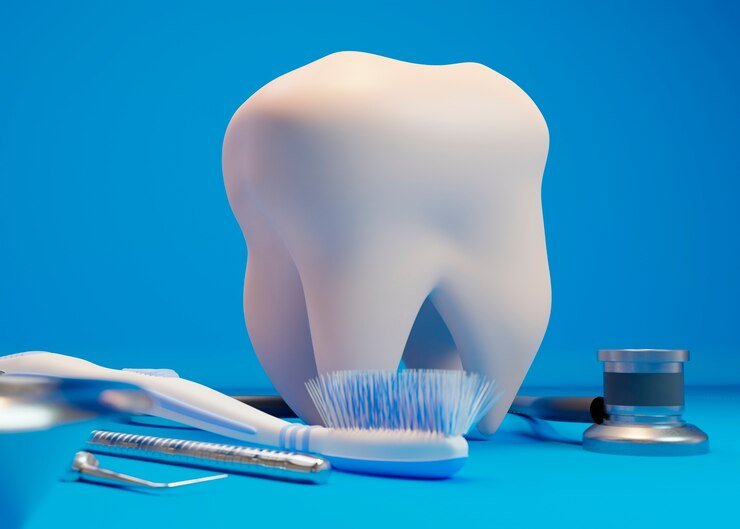
De-mineralisation of tooth enamelWhen saliva turns acidic it begins to dissolve calcium from the tooth enamel and the process is called de-mineralisation. This can happen due to feeding on sugary or acidic food. If allowed to continue without treatment, the tooth structure will decompose and the tooth will have a hole in it. Saliva in the mouth is extremely effective at re-mineralisation, as it is full of phosphates and the calcium simply gets re-absorbed onto the tooth enamel.
Activity 1
Estimated time: 10 minutes
Lisa is an 18 year old patient who visits the dental office. She has developed several cavities.
As a dental assistant, what questions should you ask her in order to ascertain the cause?
What preventative measures would you recommend?
7.5 Nutrition

Nutrition refers to dietary requirements for optimal oral health, as well as general health. A healthy diet meets an individual's nutritional needs. Nutrients are any chemical substances that help the body tissues for growth, maintenance and repair.
Here is a quick look at nutrients and their connection to dental health and wellbeing:-
Carbohydrates
Comprise the group of sugars and starches which provide our bodies with quick energy. Dental assistants need to educate patients regarding excessive intake of carbohydrates, because they are “cariogenic” foods. Cariogenic foods are broken down into simple sugars by bacteria and result in caries. Foods like sweets and cakes are already in the form of simple sugars and can potentially cause the formation of plaque.
Whilst patients may be aware that sugars are bad for teeth, they may not be aware that carbohydrates also exist in products such as crackers. Fruits and vegetables may also contain carbohydrates, but these only get broken down into sugars when they reach the stomach. You may wish to request patients to record their diets over a period of a week or 10 days, in order to monitor their carbohydrate intake. The assistant can then help the patient to identify cariogenic foods in the diet and also provide advice regarding the texture of the foods.
For example
Caramel is an example of a sugary food that actually sticks to the teeth straight away (while you eat).
You can also make recommendations regarding other foods that can be eaten along with cariogenic foods. Some of these foods help to neutralise the acid. Similarly, discourage patients from eating carbohydrates slowly (like sipping a soft drink very slowly), or at night before sleeping. This is because saliva decreases at bedtime and eating cariogenic foods increases the likelihood of tooth decay. Patients should also be informed regarding the consumption of syrups, medicines, or mouth fresheners containing sugars.
Fats and lipids
These are insoluble in water and provide alternative sources of energy for the body, along with carbohydrates. Fats also help to cushion organs from injury, aid in the transport of fat-soluble vitamins and prevent heat loss from the body. In general, reduced fat implies that the food contains about 30% less fat than the original, whilst “light” means the fat content has been reduced by 50% from the original content.
Proteins
Help the body to build and repair tissue and are made up of 20 amino acids that are classified into essential and non-essential amino acids. Essential amino acids cannot be synthesised by the body and should be derived from your diet. In general, proteins help to build stronger tooth structure, as well as improve dental immunity. It is a good idea to eat incomplete proteins (that do not contain essential acids) to make up complete proteins (that contain all of the essential amino acids).
For example
Beans and corn are incomplete proteins, but when combined they can make up a complete protein.
Vitamins and Minerals
Vitamins can be water or fat soluble and are responsible for general health, resistance to diseases and wellbeing. They also help in the absorption of minerals. Fat soluble vitamins are A, D, E and K, whilst water soluble vitamins include vitamin B and C complex. However, Vitamin A helps to reshape bone structure and also helps to improve the flow of saliva in the mouth. Vitamin D helps in the development of healthy bones and teeth and also aids in the absorption of calcium.
Lack of vitamin D can lead to a bitter and metallic taste in the mouth, as well as the sensation of burning. Vitamins E and K are responsible for the prevention of nutrient loss from oxidation and blood clotting, respectively. Vitamin C is crucial for building collagen (structural proteins) and lack of vitamin C can result in scurvy. Scurvy is characterised by bleeding gums, joint pains, loose teeth and blood vessel damage. If left untreated, scurvy can deteriorate into gingivitis. Vitamin B3 can help to prevent bad breath and mouth sores. Similarly, vitamins B2 and B12 can help to prevent the formation of painful open mouth sores.
Minerals are trace elements, which play a key role in boosting metabolism and other body functions. Minerals are different from vitamins in that they are elements, rather than complex molecules like vitamins. Calcium helps to build a strong jawbone and tooth enamel. Calcium is a major ingredient of tooth enamel and the jawline. Consuming inadequate calcium can put you at risk of periodontal disease.
Similarly, lack of iron in the diet can cause sores on the tongue, as well as mouth sores. Since an important function of iron is to transport oxygen in the body, lack of iron can result in a build-up of bacteria and mouth infections. Intake of zinc can help to inhibit a build-up of bacteria and plaque along the gum line. Magnesium also helps to improve tooth enamel and prevents the formation of cavities.
Dental assistants must take care to explain to patients that a healthy diet is extremely important for the improvement of oral hygiene. The following list contains recommended foods that help to strengthen teeth, prevent the build-up of bacteria and stave off the formation of cavities:-
*Dairy products including milk, yoghurt and cheese contain proteins and calcium - two essential nutrients required for the healthy development of teeth.
*Cheese increases pH in the mouth (reduces acidity) and improves flow of saliva and reduces plaque. The consumption of yoghurt reduces bacteria found in saliva. The probiotics found in yoghurt help to crowd out the bad bacteria in the gums. Milk contains a protein called “casein”, which helps to inhibit the de-mineralisation of teeth, as well as reducing the formation of plaque.
*Dark green vegetables, including kale and spinach, contain high amounts of calcium and folic acid. These nutrients help to build strong teeth and prevent gum disease. Dark, green vegetables also help to reduce acidity and balance pH.
*Crunchy, juicy fruits and vegetables such as carrots, celery and apples are recommended for their ability to improve saliva flow. The fibrous texture also helps to stimulate the gums. Celery, with its rough and stringy texture, helps to brush away particles and bacteria from the gums.
*Tofu, pumpkin seeds, eggs, fish and Brazil nuts contain high amounts of phosphorous.
*Bell peppers, oranges, kiwi fruit, broccoli and strawberries contain high amounts of vitamin C. Strawberries contain malic acid, which is known to whiten teeth.
*Berries, plums, grapes, meat, soy and nuts are also good sources of anthocyanins, arginine and polyphenols (these elements prevent the attachment of plaque to teeth and inhibit plaque formation).
*Advise patients to consume plenty of water, as opposed to fruit juices and caffeinated drinks, as water is a neutral liquid and washes away plaque forming bacteria and stimulates the formation of saliva.
In addition to the list above, there are several other foods that are known to improve oral health, including:-
Garlic: Garlic contains allicin, a powerful antimicrobial agent that is known to help fight periodontal disease.
Ginger: Chewing on ginger helps to freshen breath and inhibit bacterial growth.
Pears: Unlike other juicy fruits that increase acidity, pears are neutral and make for a healthy snack at any time.
Shitake mushrooms: These are known to disrupt plaque formations.
Please remember to advise patients that whilst it is important to eat healthy foods for optimal oral hygiene, it is also necessary to avoid foods that are known to have an impact on dental health.
Some foods to be avoided include:-
Hard sweets: Hard sweets deposit a variety of acids on your teeth and the sugar is also broken down extremely fast by bacteria, as these are direct sugars. Hard sweets tend to increase the risk of de-mineralisation. We tend to suck for a longer time on hard candies and this leads to a build-up of acid in one place. If you feel like eating something sweet, opt for a soft square of chocolate instead.
Sticky foods: These include chewy sweets (such as gummy bears) or even dried fruits. They stick to the enamel and make it difficult for saliva to contact that portion of the tooth for re-mineralisation. Advise patients to follow up eating sticky foods with brushing their teeth.
Soft drinks, fruit juices and sports drinks: These are usually very high in sugar and acids and tend to stick to the teeth for longer periods of time. Carbonated drinks actually coat your dentition with acid, thus making your teeth extremely vulnerable to plaque.
Alcohols: Alcohols have a drying effect, which reduces saliva in the mouth. This in turn increases the risks of tooth decay and plaque formation.
Activity 2
Estimated time: 10 - 15 minutes
Why is it important for you, as a dental assistant, to be aware of nutrition? How can it help you to educate patients regarding dental health?
7.6 Smoking and Dental Health

Smoking reduces blood flow and increases the build-up of bacteria.
It also leads to the development of bad breath, lengthens healing time from oral and dental surgeries and results in discoloration of the teeth. Smokers are also more likely to suffer from bleeding gums, yellowing of teeth, build-up of calculus, damaged tooth enamel and an increased risk of tooth loss. Patients who smoke are more likely to develop gum disease, due to a reduced supply of oxygen to gum tissue. There is also a higher likelihood of redness and tenderness in the gums, bleeding and pain whilst chewing, as well as a receding gum line.
Please remember that fewer smokers visit dental clinics for the fear of being judged for their habits and they may feel embarrassed to speak about their problem. You may need to listen carefully to the patient and empathise with the social or behavioural compulsion that compels them to smoke. This form of communication is called “reflective listening”. Do not criticise or judge them - adopt a gentle, counselling approach instead. Obtain a detailed medical history, so that the dentist may contact their doctor or therapist if required.
7.7 Eating Disorders and Dental Health

The frequent purging and vomiting associated with most eating disorders can have a potent effect on dental health. Eating disorders include conditions such as binge eating, anorexia and bulimia. Dental professionals are often the first to observe symptoms and signs of eating disorders. It is common to find eating disorders prevalent amongst the adolescent age group.
For example
Bulimic patients frequently eat excessive amounts of food, only to purge it by induced vomiting.
Vomit is extremely acidic and such patients often suffer from tooth erosion. Intensive tooth erosion may result in excessive sensitivity, over time. Patients may also complain of a dry mouth, as their bodies are dehydrated and malnourished. In addition, such patients often suffer from bad breath and low bone density, which causes teeth to fall out easily.
Over time, the patient's teeth exhibit changes in length, colour and shape and become brittle and sensitive - the jaw line becomes squarer and the salivary glands often swell. Such patients may need to be assessed first and advised to clean their teeth with baking soda, after vomiting (and not directly by brushing). They may also require additional fluoride modalities, as part of dental intervention.
Patients suffering from eating disorders often avoid visiting medical clinics, therefore the intervention of dentists is often critical. Many people who suffer from eating disorders live in secrecy and shame. Understanding and receptive dental staff may play a critical role in helping such patients get started on the road to recovery. The best way to communicate is to offer non-judgemental support and discuss the issues in a non-threatening manner.
For example
As a dental assistant, you may advise the patient that it is never too late to start making healthier dietary choices for better oral and overall health.
In general, dental assistants working in busy dental clinics can expect to interact with a number of patients from different ethnic and cultural backgrounds. Their food habits, as well as foods, may be unfamiliar at first. With patience and by asking incisive questions, you can evaluate their diets and make suggestions that will help them to replace sugary foods with healthier alternatives. Again, you are likely to interact and communicate with patients from different age groups. You need to be able to modulate your method of communication across different age groups.
For example
With children, you can be funny and interesting, whilst with adolescents and teenagers, you may need to be more gentle and ready to listen.
This will help you to obtain clear details regarding medical history, as well as any other problems that the dental team may need to be aware of.
Module Summary
Fluoride is an essential component of dental hygiene and health and helps to strengthen tooth enamel during the pre-eruption and post-eruption stages. The primary benefits of fluoride include a reduction of dental caries for deciduous as well as permanent teeth. Additional benefits include a reduced likelihood of extensive dental care in the long run. The reduction in dental caries also results in decreased instances of malocclusion in permanent dentition. Fluoride also helps to improve bone density, which results in a reduced loss of bone and better resistance to chewing action. The decay resistant dentition also leads to improve periodontal health.
However, excess fluoride can result in poisoning and toxicity. Poisoning effects can include vomiting, nausea, mottled enamel and abdominal pain. The patient should be given milk or medication immediately, to mitigate the effects of excess fluorine.
Nutrition is dietary requirements that help to keep our bodies functioning at optimal levels. Nutrients are chemical substances that help in the growth, repair and maintenance of body tissues. Nutrition and diet can have a significant impact on oral health. For example, an excessive intake of carbohydrates and sugars may result in an increased risk of dental caries, because carbohydrates are broken down into sugars. Lack of vitamin C results in improper tooth development, a slow healing process and bleeding gums. Inadequacy in vitamin B complex manifests as fissures at the corners of the mouth and reddish lips.
It is extremely important for dental assistants to be knowledgeable regarding food labels, so that they are able to advise patients correctly. Eating disorders, such as bulimia, result in induced vomiting for example, which results in the erosion of tooth enamel. Eroded tooth enamel in turn results in an increased risk of tooth decay. Patients with eating disorders, such as anorexia or bulimia, can feel embarrassed to visit dental clinics. Receptive and understanding dental staff members can help put the patient at ease, by offering non-judgemental support and assistance.
.svg)



