
10.1 Introduction

If you love dogs, you might decide that you want to find a career that will put you in the path of dogs each and every day. This final module will share information about career paths in the UK, where one can work with dogs.
10.2 Dog Handlers

Dog handlers work with dogs that are specially trained for specific jobs, such as helping to prevent or detect a crime. You might also work with dogs which help to find those who are missing. If you believe that you have excellent observation skills and you love dogs, a career as a dog handler could be perfect for you. A good handler will require confidence and patience and must be able to judge situations accurately
and instantly. There is no formal training required to work as a dog handler, but one must have Disclosure and Barring Service clearance.
Working as a Dog Handler
When working as a dog handler, the individual and dog will work as a team and they might work for the local police, the army, HM Revenue & Customs, Fire and Rescue, HP Prison Service, the Royal Air Force, the Border Force, or for private security firms.
Some specific jobs that a dog handler might do, depending on where they work, include:
-Tracking missing persons
-Crowd control
-Searching for illegal drugs or explosives
-Chasing criminals
-Guarding prisoners
-Seeking out human remains, or stolen property
-Supporting armed ofβicers
-Guarding military property
-Seeking out explosives
Working Hours, Conditions and Salary for Dog Handlers
Most dog handlers work in shifts, so one might work days, nights, or weekends. In many cases, they must look after the dog in their own home and they must be physically βit. The average salary for an experienced dog handler is between £16,000 and £30,000 per annum depending on experience (source: national careers service).
10.3 Dog Groomer

The main goal of a dog groomer is to help keep the coats of dogs in good condition. They also advise owners on the care of a dog's coat and how grooming and diet might affect the look of the dog. To become a dog groomer, one must handle dogs firmly, but gently and understand how to control and calm dogs that are nervous. One will also require patience and great attention to detail. Training is required to become a dog groomer and most train on the job. There are also courses available, at local colleges and training centres.
Working as a Dog Groomer
Those who work as dog groomers usually work closely with dog owners about the type of grooming they require for their dog. They might discuss if the dog is used to grooming and what type of handling requirements are necessary. One will also check the skin and coat for parasites, such as fleas and look for any skin injuries, or lumps in the skin. The dog's coat is then cut and shaped, the dog is given a shampoo and dried and then any final touch-ups are done. Groomers might also trim the claws of the dog and clean the ears and teeth. Depending on the type of dog, a dog groomer might have to give specific cuts, based on breeds.
For instance There are several traditional Poodle cuts. If one works for professional show clients, they must ensure that these are absolutely perfect.
Working Hours, Conditions and Salary for Dog Groomers
Most dog groomers work about 35 hours per week - and often work Monday to Saturday. They might also choose to work on their own and, in that case, they would choose their own hours. Working as a dog groomer is physically demanding, dirty and might not be suitable for those who have allergies to canines. They also run the risk of becoming scratched or bitten by their clients. The average salary for dog groomers is from £13,500 to £20,000 per annum - and if a dog groomer chooses to become self-employed, they may charge between £20 and £90.
10.4 Dog Obedience Trainers

A dog obedience trainer will teach dogs how to respond to the commands of their owners or trainers. A dog trainer might also teach dog owners how to train their dogs. There are a number of opportunities for those who wish to follow this career path, including the following:
-Teaching basic/advanced obedience
-Training dogs to work with the deaf, blind and disabled
-Training dogs to seek out missing persons, explosives, or drugs
-Training dogs to appear in television, movies, or theatre
-Training dogs for dog shows, or in agility and βield events
Working Hours, Conditions and Salary for Dog Obedience Trainers
The working hours for a dog obedience trainer are varied, but typically occur during the daytime. In some cases, dog trainers will offer classes and training at night and on weekends. Some trainers will learn their trade by attending a dog obedience course, whilst others learn on the job. Some trainers choose to specialise in a certain type of training and, in this case, more schooling or coursework is required. The average salary for a dog obedience trainer is £25,000 per annum.
10.5 Pet Behaviour Counsellor
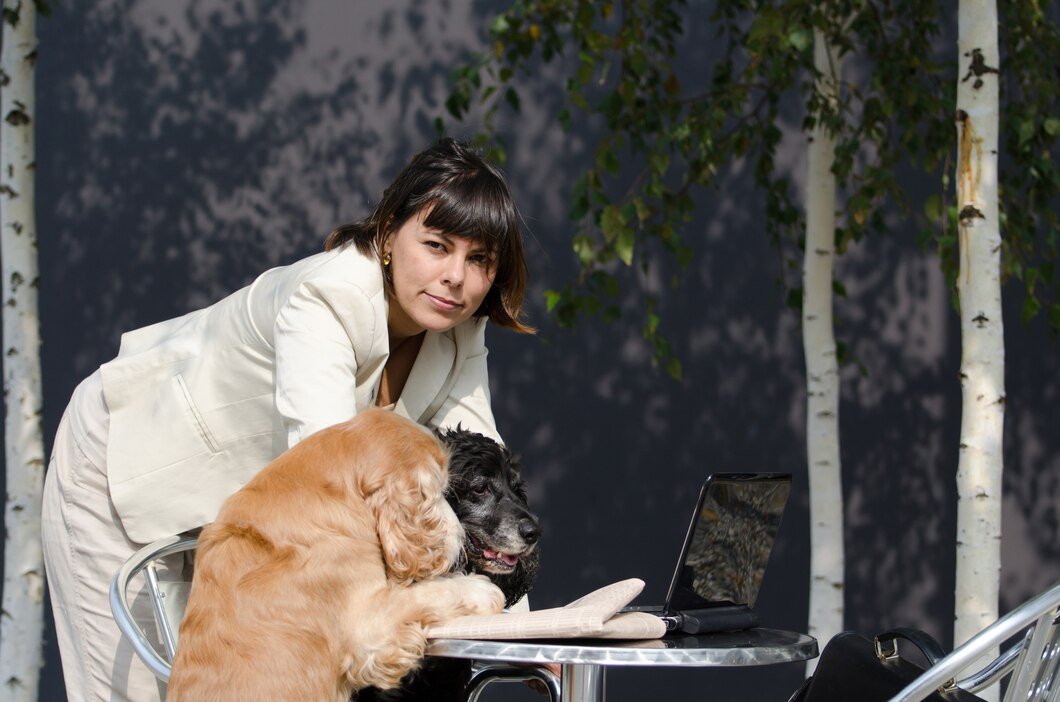
Animal behaviour specialists typically specialise in a specific species (dogs, for example) and help pet owners with eliminating undesirable behaviours. When pet owners are unable to address certain issues like aggression, house-soiling, fearful behaviour etc, they will seek your services. Dog behaviour specialists work with clients to help modify, manage and prevent problem behaviours in dogs. You will learn to work with science-backed behavioural tools to modify the dog's responses and create a customised plan of treatment for each pet that you treat. Animal behaviourists often work closely with vets to address issues.
For example, if a pet owner notices that the dog is failing to respond to commands, it could be due to hearing loss or arthritis. It's important to evaluate physical causes first. You may often be called upon to work with dangerous breeds of dogs or very aggressive pets. Most dog behavior counselors have experience as trainers and are familiar with caring for dogs, before they get into this career. Those who choose this job path must have excellent communication skills and a high degree of patience. They need to practise patience, consistency and may need diplomatic speaking skills while dealing with pet owners.
Some other required skills could include:
-Attention to detail and observation powers
-Thinking and reasoning skills
-Customer service skills
-The ability to work on your own and with others
-Ability to remain calm and unruffled in stressful or even frightening situations with regard to pets
Working Hours, Conditions and Salary for Pet Behaviour Counsellors
Most pet behaviour counsellors are self-employed and decide on their own hours. However, it is also important for these professionals to work with their clients, which means weekend and evening work is often necessary. They might have an office where they conduct business from, they might work out of a veterinary clinic, or even from a home office, where they will visit the homes of their clients. Since pet behaviour counsellors set their own hours, they also set their own rates. A typical session could be as much as £350.
Those who work as pet behaviour counsellors might deal with the following:
-Excessive barking
-Aggression
-Destructive behaviour
-Issues with toilet training
-Phobias, or fearful behaviours
-General dog control
On a day-to-day basis, a pet behaviour counsellor might do the following:
-Take veterinarian referrals
-Hold consultations with owners
-Observe dogs who are exhibiting issues
-Analyse problems and likely causes
-Create behaviour modification plans for dog owners
-Work with other dog-related professionals
-Stay in touch with dog owners about progress
10.6 Kennel Workers

A kennel worker cares for dogs that have been left in kennels. If you are confident in your ability to handle animals and work well as a member of a team, this would be an excellent job for you. Those who work as kennel workers must be alert and observant, as it is part of the job to spot any changes in the behaviour of the animals under their charge. They will also have to have some physical fitness, as they will have to walk dogs and clean out the kennels.
There are no qualifications necessary for one to become a kennel worker, but practical experience with animals is highly valued. If you are studying any type of college course, such as veterinary medicine, this might also improve your chances of obtaining work in this field.
Working Hours, Conditions and Salary for Kennel Workers
People who work as a kennel worker often find work in boarding kennels, work for the RSPCA, work in quarantine or breeding kennels, or for organisations, such as Guide Dogs.
Some of the duties a kennel worker will often undertake on a day-to-day basis include:
-Feeding the dogs
-Keeping the dogs clean and groomed
-Exercising the dogs
-Cleaning the cages and kennels
-Maintaining the property
-Looking after animals that are ill, distressed, or elderly
-Answering telephone calls, or greeting visitors
Most kennel workers work approximately 40 hours a week and often work weekends, evenings and holidays, as the animals cannot be left alone. The salary for an entry level kennel worker is about £12,000 per annum - and with experience, can go up to around £17,000 per annum. Those in management positions can earn around £20,000 per annum, or more.
10.7 Veterinary Nurse

A veterinary nurse helps to support veterinarians and offers nursing care for injured, ill and hospitalised animals, including dogs. They also work with pet owners and educate them on the proper standards of animal welfare. This is an excellent job, for those who love animals and who want to ensure their continued good health.
Those in this position must be calm and remain confident, when handling animals - and also have sympathy and compassion with nervous or upset pet owners. It is possible to qualify as a veterinary nurse by training on the job, but there are also higher education courses available. Before getting work in this field, one must register with the Royal College of Veterinary Surgeons.
Working Hours, Conditions and Salary for Veterinary Nurses
As a veterinary nurse, the day-to-day tasks might vary, but they will often include the following:
-Speaking to pet owners about what issues their pet might be experiencing
-Taking biological samples from the pets, such as urine and blood
-Taking x-rays, if necessary
-Preparing animals for veterinary treatment
-Assisting vets during operations or treatments
-Giving injections, under the supervision of a vet
-Performing minor procedures in the vet clinic, such as removing stitches from the skin
-Supervising and training animal care assistants
-Keeping administration information up to date
-Feeding, cleaning and exercising animals that are in-patient guests
-Speaking with owners about preventative care
-Performing reception duties
Most veterinary nurses work 35 to 40 hours each week and work evenings or weekends, on occasion. Salary-wise, one can expect to earn from £18,000 to £26,000 per annum - and senior veterinary nurses might earn £30,000 per annum, or more.
10.8 RSPCA Inspector
An RSPCA inspector is one who helps to investigate and prevent cruelty to all animals. If you love animals and want to make a big difference in their lives, a job as an RSPCA inspector might be ideal for you. One who works as an RSPCA inspector requires excellent communication skills and must be confident when interacting with animals. They must also be able to handle situations that are distressing and unpleasant.
Most inspectors begin as a trainee - and most have experience working with animals, before securing employment in the RSPCA. One must also have excellent physical fitness, be able to swim at least 50 metres and have a minimum of five GCSEs (A-C), which include English and maths.
Working Hours, Conditions and Salary for RSPCA Inspectors
When a person works as an RSPCA inspector, they should expect the following on a day-to- day basis:
Checking any complaint of neglect and cruelty
-Advising owners on how to care for their pets, issue warnings, or even take cases to court
-Deciding if an animal requires medical treatment
-Euthanising animals, if necessary
-Inspecting kennels, pet shops, circuses, dog wardens, local councils and veterinary surgeons
-Rescuing wild animals, such as foxes or deer, that become trapped or injured
-Writing reports and giving court evidence
-Presenting information to the public about animal protection and care
RSCPA inspectors work 38 to 40 hours a week, and work shifts might include weekends and nights, as well as bank holidays. Inspectors work in all weather conditions and might be involved in dangerous situations, such as climbing a tree to rescue an animal. Trainees in the RSPCA typically start at around £19,000 per annum and, once qualified, earn around £30,000 per annum.
FACT
The RSPCA has approximately 408 frontline rescuers working all hours of the day and night.
Source: RSPCA UK
10.9 Veterinary Physiotherapist

If you are good at sciences, and you want to work with animals, including dogs, a job as a veterinary physiotherapist might be an excellent match. Veterinary, or animal physiotherapists, assess and treat all animals with movement issues or injuries. Those who work in this field should be observant, able to work well in a team, have an aptitude for science and have problem-solving skills. To become a veterinary physiotherapist, one can complete a degree in human physiotherapy and then follow that up with training in veterinary physiotherapy. Another path to becoming a veterinary physiotherapist is to complete an actual degree in veterinary physiotherapy, or, one can earn an Advanced Certificate in Veterinary Physiotherapy.
Working Hours, Conditions and Salary for Veterinary Physiotherapists
Most veterinary physiotherapists work with both dogs and horses, though one might work with other animals, such as those at a zoo or farm. Tasks generally include planning exercise for the animals, using manual or electrotherapy to increase flexibility, reduce pain, or restore normal movement, applying hydrotherapy or massage techniques to treat injuries and giving advice on how animals can more easily perform necessary tasks. Additionally, if an animal has an injury or diagnosed condition, a veterinary physiotherapist will carry out treatment. Hours for a veterinary physiotherapist are usually full-time, but part-time work is usually available.
Hours are also generally flexible, depending on what the client needs. One might work in stables, at the client's home, or in veterinary surgeries or hospitals. Salaries for this type of work vary greatly. A Veterinary Physiotherapist can earn between £20,000 and £25,000 per annum. With Senior Physiotherapists earning up to £65,000 per annum (source: prospects.ac.uk)
10.10 Veterinary Surgeon
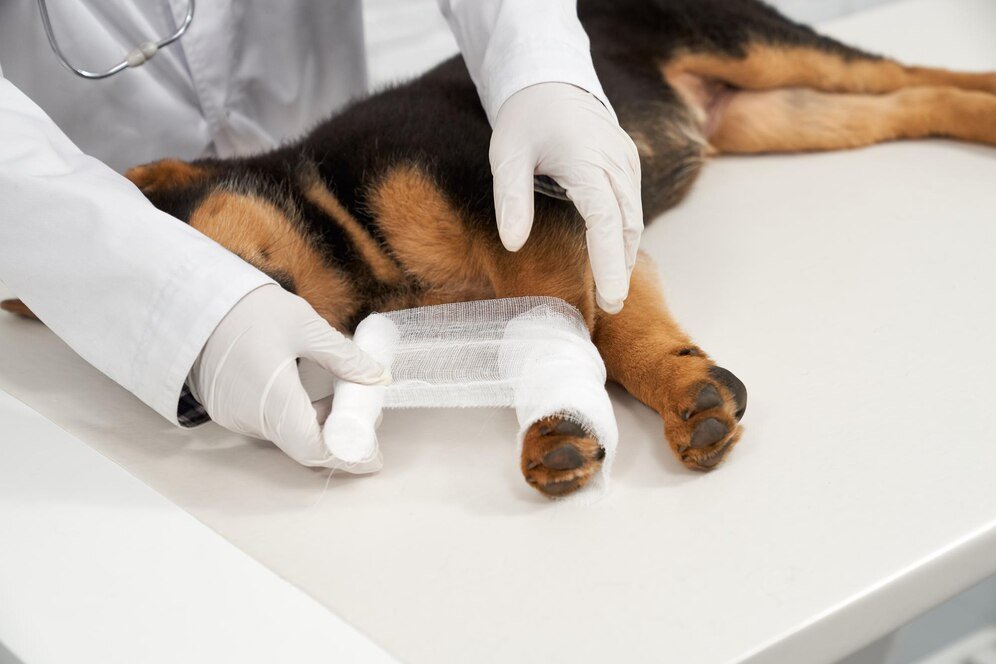
Veterinary surgeons, or vets, care for, diagnose and treat animals that are sick. Most vets work in a general practice, but some work on farms or at zoos. If you love animals and medical science, a career as a veterinary surgeon might be ideal. In order to be a veterinary surgeon, one must be sensitive, patient, empathetic, assertive and able to make life- changing decisions about the welfare of any animal in their care. In order to become a veterinary surgeon, one must receive a degree from a university course programme approved by the Royal College of Veterinary Surgeons. These courses generally are five to six years long.
Working Hours, Conditions and Salary for Veterinary Surgeon
As a general practice veterinary surgeon, the day-to-day tasks include:
-Diagnosing and treating sick or injured animals
-Operating on injured or sick animals
-Perform tests, such as scans and X-rays
-Providing care for animals who are in an animal hospital
-Carrying out regular medical examinations, administering vaccinations and offering advice on the diet and care of animals
-Neutering animals
-Stopping disease from spreading from animal to animal
-Euthanising animals, when necessary
-Supervising nursing and office staff at clinics
-Keeping records of all medical treatments
-Veterinary surgeons who work in other environments, such as zoos, kennels, or other areas, might have other day-to-day tasks. Other vets might work for the Department for Environment,
-Food and Rural Affairs. These vets help to protect public health, by controlling animal disease. Yet, others might work for the Animal and Plant Health Agency.
-Vets who work in a general practice often work around 43 hours a week, on average. In some situations, these vets might work evenings, weekends, or on holidays and might even be on call, in the case of emergencies. The vet is responsible for most of the treatments given in a veterinary surgery, but, in some cases, one might have to travel to other locations, such as zoos or farms. This also means that vets might have to work outdoors in the elements. Though much of this work is rewarding, there are distressing aspects of the job, such as euthanasia. New veterinarian surgeons earn, on average, around £30,000 per annum, and with further training and experience may earn as much as £50,000 per annum.
Module Summary
For those who are seeking out employment where they can work with dogs, there are many wonderful options in the UK. With some of these jobs, you can go out today and begin working tomorrow. With other jobs in this module, training might take several years. This module presented the day-to-day work that people in these jobs often perform as they work and it also gave you an idea of what type of training one might require to gain entry into these jobs.
The module also gave information on the working environments that one might work in and gave information on the hours that one might be expected to work, if employed in these fields. Finally, the module gave the approximate salary that those in these positions make. If you want to truly work with dogs, this module gave many options, but there are also positions that you can do on your own, such as pet sitting, dog walking, or dog transportation. The world is open when it comes to positions where you can work with dogs and this course has given you all of the information you require to get started.
.svg)



