
7.1 Introduction

Becoming a dog owner is not something to take lightly. In fact, many people equate raising a puppy to an adult dog as similar to raising a child. Dogs will wake you in the middle of the night, they require schooling and training and you must take them to the doctor for examinations and when they are sick. Dogs also bring a lot of expense, which is something most people do not count on when they see a cute, fluffy puppy in their arms. This module will cover the role of a dog owner and the information presented will help you not only improve how you raise the dog that you currently own, but it can also help people who are considering adding a dog to the household, to understand what will be expected of them.
7.2 Choosing the Right Dog for You
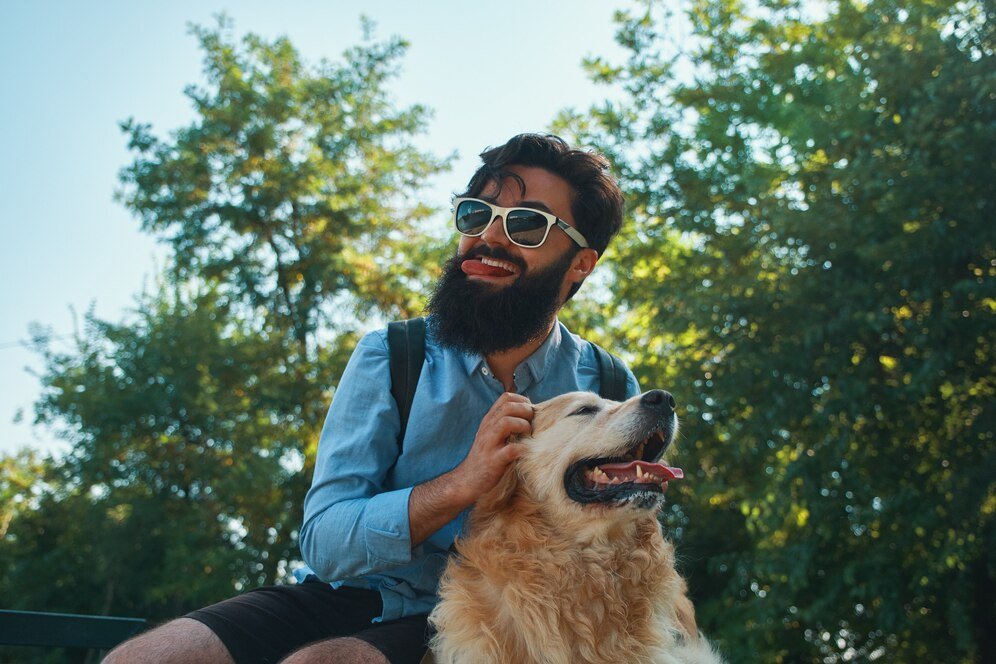
There are hundreds of dog breeds recognised in the UK - and thousands of mixed-breed combinations that these breeds can create. There are dogs that are very small, quite large and those with varying intelligence and personality. One who is looking for a dog has a lot of decisions to make, including size, exercise requirements, assertiveness, friendliness and even compatibility with children. All of this must factor into the final decision.
Dogs fall into two main categories - purebred and mixed breeds. There is not a lot of difference between the two, except a purebred dog has a family history that can usually be traced back generation after generation. As discussed in previous modules, dog breeds do have certain reputations, but that does not necessarily mean that every Terrier will be difficult to train, or that every German Shepherd will be a
perfect guard dog.
However, the type of breed will often give you information about what to expect from the dog, i.e. a purebred Dalmatian will have spots and a Poodle will have a curly coat. With a mixed-breed dog, you will often have a mix of physical and personality traits from the breeds the dog comes from. When considering a mixed breed, it is fairly easy to guess the temperament, size and appearance of the dog, so you will have a good chance of knowing what the dog will be like as an adult.
Adult dog versus a puppy
You may want to bring home a puppy or an older dog. This is not always an easy decision and it's a good idea to consider the pros and cons of each option. Puppies are cute, enchanting and bundles of joy but they need a lot of work. Please don't underestimate the work involved in looking after a puppy. Be prepared to wake up a few times in the night, clean up messes and sometimes rush to the vet at short notice. It's also best not to adopt puppies under seven weeks of age. They may not have been properly weaned and they still need the warmth and protection of their family. They need constant supervision as they may slip down the stairs, run off a high deck, stand in the path of a speeding bike and much more.
Older dogs are emotionally mature and you can see their physical traits like height and size clearly. They are also much less likely to need constant supervision. They're less likely to nip your fingers, chew your TV remote or relieve themselves on your carpet; most adult dogs are properly toilet- trained already.
Adopting an older dog may be a much better decision for first-time pet parents. Therefore, it is important that you research the type of dog that you are considering and make sure that the age, personality, size, temperament and needs fit in well with your lifestyle. You might want to talk to professional trainers or even a veterinarian for suggestions, especially if you do not have a lot of experience with dogs.
FACT
Owning a dog can cost between £16,000 and £31,000 during its lifetime - depending on the size of the dog.
7.3 Preparing to Bring a Dog Home

Your role as a dog owner will begin before you even bring a dog home - and you will need to make the dog's transition into your home as smooth as possible. You should buy toys, food, treats, grooming supplies and other necessities in advance, to make sure the puppy or dog has everything they need. Because all of the dog's needs will be taken care of by you and your family, you might want to discuss a schedule with the other members of the household.
For instance
You will need to set a feeding and exercise schedule and decide who is going to feed the dog, clean up after the dog and walk the dog. You will also have to prepare your home for a dog before it arrives. This means moving all of your breakables, or anything a dog might chew, to a different place. You also should make sure that electrical cords are not hanging and block off any areas of the home where the dog is not permitted. You also want to make sure any plants that are toxic to dogs are not in a place where the dog can access them.
Be careful if you're bringing home a new pet to a home that already has other dogs. See if the temperament and natural behaviour of your new puppy is a good fit with the other pets. Not all dogs will get along well. Take your puppy or dog for regular vet check-ups and invest in socialisation or training classes.
Keeping a dog safe
In order to keep a dog safe, you must have some type of containment system. If you plan on letting the dog out into the garden, for instance, you should make sure that there is a fence or some other way to keep the dog confined to your property. If this is not possible, you must make sure that the dog is on a leash at all times, when taking them outside to use the toilet.
Speaking of a leash, you will also require a collar or a harness for the dog. It is best to have the dog wear these at all times, except when they are crated. A dog should not wear a harness or collar in a crate, as it can easily become caught on the crate, causing injury. The collar or harness you choose should be tight enough so that it will not come over the dog's ears, but it must be loose enough that it does not choke them.
A good way to measure the collar is to fit it so that you can put two fingers between the collar and the dog's skin. Check this often, especially if the dog has had a weight gain or loss, or if the dog is a puppy growing into adulthood.
A place of their own
You also must make sure that the dog has a place of its own. This could be a dog bed, a crate, or even a pile of blankets. This should be in a quiet area of the home and should exclusively belong to the dog. Also, make sure that you have a lot of toys for your dog, or you will find that they will find their own toys, such as your favourite shoes.
Finally, before you bring a new dog home, you must have a veterinarian in mind. Why? Because, as a responsible dog owner, you should take your new dog to get a full health examination, as soon as possible after their arrival in your home.
7.4 Bringing Your Dog Home

Now that you have made all of the preparations, it is now time to bring your new dog into your home. It is important that owners give the dog a bit of time to adjust to the home. Keep in mind that the dog might feel insecure or even frightened of being in a new environment - and if it is a puppy, it might get homesick for its littermates and mother. Show the dog where its bed is and where the food and water is located and then allow the dog to explore their new home.
When introducing the dog to others, it is important to do it slowly. Puppies will likely become frightened when approached by too many people and an older dog might be more aggressive and defensive when first coming into a home. This course covered introducing a dog to others in Module 2. You will also have to introduce the new dog to other pets in the household. Do not expect this introduction to go smoothly - it almost never does. Instead, expect it to take time, expect some growls and barks, or scratches and hisses if you already have a cat and never force two animals to meet too quickly.
House training
Your role as an owner will also include house training the dog. There are a number of different methods for teaching house training - and older dogs might already have this knowledge. Whatever you choose, just understand that this process will take time and that you will have accidents to clean up. Finally, you must set the rules for the dog, from the beginning. This will show the dog what is right and wrong in the household.
Remember, if you allow your cute little puppy to cuddle with you in your favourite chair when you bring him or her home, they will want to also cuddle with you when they are a 50kg dog. Thus, if you do not want a big, adult dog on your furniture, do not allow your puppy on the furniture. Also, make sure everyone in your household is being consistent with training.
FACT
There are more than 8.5 million pet dogs owned in the UK.
Source: Royal Society for the Prevention of Cruelty to Animals.
7.5 General Care for Your Dog

Once your new dog is settling in, your real job as a dog owner begins.
Regular Vet Exams
As a dog owner, you must make sure that you take your dog for regular exams with a veterinarian. This person will be the source you consult with, in regards to your pet's health. It is recommended that you take your dog to see a vet each year, as well as when your dog shows signs of illness or injury.
Feed a Healthy Diet
You must also make sure that you are feeding your dog a healthy diet. Speak to the vet about what type of dog food is right for your pet, based on the size, age and activity level of your dog. Also, keep the dog's diet consistent and always provide clean, fresh water with their food.
Proper Exercise
All dogs, regardless of size, require exercise, to ensure their good health. Taking walks, running around the garden, or even tossing a toy around in the house are all good ways to ensure that your dog is getting proper exercise. Keep in mind that some dogs require more exercise than others.
Flea and Tick Prevention
Fleas and ticks are a problem for dogs in the UK and these small insects can wreak havoc in homes. They also might cause health problems for the dog. There are a number of βlea and tick products available in the UK, including over the counter pills, solutions and collars. Talk to a vet, to see what type is best for your dog.
Bathing and Grooming
You are also responsible for the bathing and grooming of your dog. Bathing is important and should be done regularly, but too much bathing can cause issues with the dog's skin. Thus, it is important to talk to a vet about what is best for the dog, based on the breed and coat type. All dogs require grooming, even if they have short hair. For those who do have short hair, brushing once a week or so is appropriate, but those with longer hair might require brushing each day.
Other dogs must see a groomer regularly, in order to keep their coats in tip-top shape. Grooming also requires clipping the nails. Some dogs simply do not like their nails being cut, so it is important to handle the dog's paws when it is a puppy. This way, the odds are in your favour when it becomes time to trim the dog's nails. If the dog will not allow you to do it at home, seek out the assistance of a groomer or vet.
Know Your Breed
You should also make sure that you know the health risks of your dog's breed. For example, Pugs are well known to be prone to respiratory problems and Golden Retrievers are prone to hip dysplasia. Learn the signs of these health issues and keep an eye on them, throughout the life of your dog.
7.6 Keeping Your Dog Safe
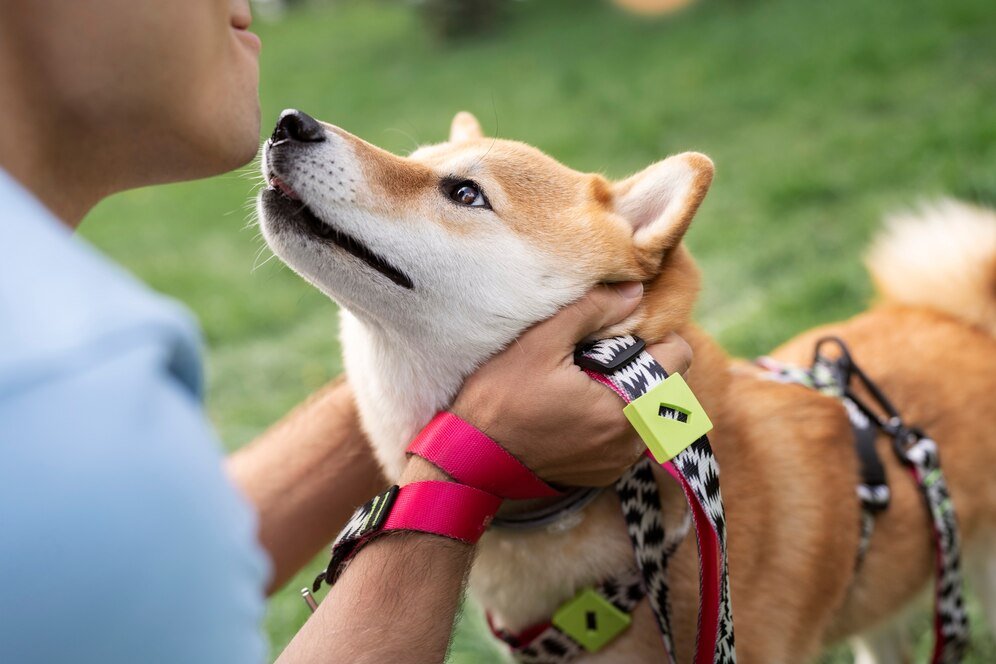
You are also responsible for the safety of your dog, as an owner. Here are some suggestions for keeping your dog safe:
I.D. the Dog
Make sure that you always keep an identification tag on your dog, showing your name and contact details. Should the dog run away or become lost, it will be easier to find their home. As of April 2016, it became UK law for all dogs to be microchipped, which can easily be given at the vet's office. You should also have a current photo of your dog, should they become lost.
Provide Shelter for the Dog
A dog requires shelter when outdoors, even if only for a short time. This might simply be a table that they can run for if it begins raining or a full-sized dog house for dogs that spend a lot of time outdoors. Bear in mind that heat can have a dangerous and sometimes deadly effect on a dog. So, do not leave your dog in a car for long periods of time and when the dog is outdoors on sunny days, always provide extra shade and water.
Safety and Travel
If you travel with your dog, you must make sure that you are doing so in a safe manner. You should keep the dog crated in the car, or use a seat belt and harness. You should not allow your dog to stick its head out of the window. If you cannot take your dog with you when travelling, find a reputable kennel or pet-sitter. If you choose a boarding kennel, make sure to check the reviews and take your dog there to see the facilities. It will help them to feel more comfortable when they are left alone.
Prepare for Disasters
Responsible pet owners should also be well prepared for disasters, such as floods, fires, storms, or other situations. You should have a 'dog emergency kit' that contains food, clean water and first aid equipment. You should also choose an emergency contact to care for your pet if something happens to you, such as a sudden illness or accident.
This person should be someone the dog knows and is comfortable with. You also must consider a will, as in the event of your death, someone will have to care for the dog. Do not assume that family will step in to care for your pet. Instead, choose someone who likes the pet and who is willing to care for the pet, should something happen to you.
7.7 Play With and Entertain Your Dog

Responsible pet owners will also have to make sure their dogs are entertained. Dogs love to play and playing with your dog is a great way to bond with them. It is also good for the dog's wellbeing. Here are some other things that one can do, in order to entertain their dog:
Take a Walk
Dogs love walks and not only will a walk help to get rid of some excess energy the dog might have, but it is also beneficial exercise for both of you. Walking with a new dog is a learning process, especially if the dog is not used to a leash. Before heading outdoors, you might want to practice leash walking in your own home.
Talk to the Dog
Though the dog does not understand all of the words we speak, they love to hear the sound of their owner's voice. Talking to the dog helps them to feel at ease and part of the family.
Give a Treat or Two
Dogs also love getting treats - and you can use treats for training. Keep in mind, however, that these treats should only supplement a dog's diet. They are often high in calories and can lead to obesity.
Offer Toys
Toys will help a dog stay entertained, but if they play with the same toy too much, just like us, they might get bored. So, try to rotate the toys your dog has to play with, or offer a wide variety of toys, at all times.
Spend Time With Your Dog
A dog looks at its owner as the centre of its world. Though you might have spent the day working hard at the office, your dog has spent its day waiting for you to return. Spend time with the dog each day, simply petting, playing, talking, or laughing with it. This shows the dog that you value its company.
Turn Up the Radio
If you have to leave your dog alone, consider leaving the radio or television on. This gives the dog some background noise and helps to ease any separation anxiety.
Give Him or Her a Massage
Dogs love to be petted and you can add an extra element to that, by giving them a structured massage. These massages can help to relax your dog and might even be very relaxing for you too.
Take Your Dog on a Holiday
If you are planning a family holiday, consider taking the dog! Most dogs are good travellers - just make sure that any hotel you choose allows dogs.
Consider Getting Another Dog
Dogs are naturally social animals and they usually appreciate and enjoy the company of other canines. Keep in mind, however, that some dogs are best on their own and double the dog, means double the work.
Love Your Dog, Always
You are not just a dog owner on the weekend, or when you have time to do so. The role of a dog owner is one that occurs 24 hours a day, seven days a week. When you bring a dog into your home, you are doing so, for life. If you cannot make this commitment, do not get a dog.
7.8 Training the Dog

A responsible dog owner will also have to train their dog. This course has touched on training and the next module will teach you how to train your dog with basic commands. Here are other things you should consider when training a dog:
Socialising Your Dog
As has been explained in this course, socialisation is an important aspect of dog ownership and the process of socialising a dog should be done from the start. Praise the dog when it does positive behaviours during socialisation exercises, such as accepting a pat on the head from a stranger.
Take an Obedience Class
An obedience class is a good option for people who do not have experience with training a dog, or for those who do not have the time to put into training at home. Obedience classes can also help dogs who might have talent with agility or tracking.
Prevent Unnecessary Barking
If you have a dog that barks unnecessarily, you will have to take the steps to prevent it. If the dog is causing issues when you are away from home, a silencing collar might be a good option.
Praise the Dog
Your dog always wants to please you, because they love you. Thank your dog for this love, by praising it positively.
Put Your Dog to Work
You can also increase the sense of wellbeing for your dog, by giving them a job or task. For instance, many people train dogs to fetch the morning newspaper, carry groceries into the house, or empty the clothes dryer.
Module Summary
Owning a dog is a privilege, but it is also a responsibility that is not suited for everyone. You might have a dog now, or you might be considering getting a dog in the near future. Regardless of when you get your dog, you must understand that this is a responsibility that will last for over a decade and in many cases, you will have a dog for 12, 15, or even 18 years.
As the owner of a dog, you will play a very active and important role in their life and, in most cases, you will be the most important thing to the dog. Thus, you must make sure that you are giving the dog all that you can for a happy, healthy life. This might include keeping the dog safe, training the dog correctly and ensuring its good health.
This module has given you all of the information you require to find out the role that you will play as a dog owner and though this is a basic guide, it will give you an excellent overview of what is required when bringing a dog into your life.
.svg)



