

Individuals you support will be particularly vulnerable to infection.
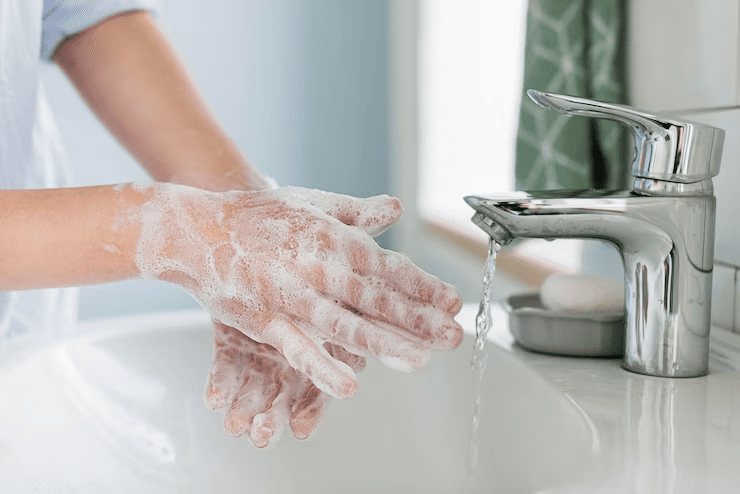
In your role, you must work prevent cross-contamination and promote good infection control procedures.
In order for infections to occur, several things have to happen. This is often referred to as…
…the Chain of Infection.
The Chain of Infection
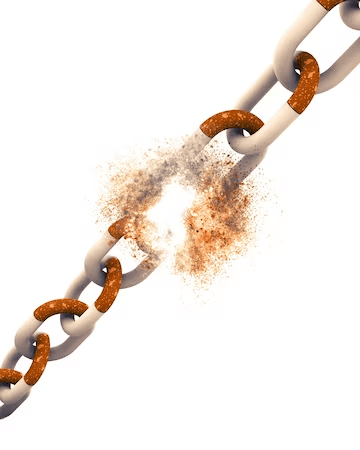
In order for the spread of infectious diseases to take place the Chain of Infection must be completed.
Follow the steps to see what makes up the Chain of Infection.
Infections can be prevented by breaking the Chain of Infection


Contact Transmission
Contact Transmission is the most common route of transmission of pathogens in a health and social care workplace.
This can happen by direct contact (via the hands) or indirect contact (via equipment).
Pathogens can be a virus, bacteria or other microorganism that can cause disease.
Standard precautions should be taken in every situation to reduce the risk of infection.
These include:
Effective hand washing
For effective hand washing, ensure your hands are:
- Washed thoroughly
- Wrist watches or bracelets are removed.
- Cuts are covered with waterproof dressing.
- Rings are removed (except plain wedding bands).
- Nails are short, clean & free from nail polish.
- Your hands are now safe.
Personal Protective Equipment (PPE)
These are some of the types of PPE your employer should provide and that you should use when administering medication. These could include:
Safe Disposal of Waste
The Hazardous Waste Regulations 2005 explain how waste should be dealt with. Hazardous waste is any waste that may pose a risk of infection or may prove hazardous. The Department of Health’s Safe Management of Healthcare Waste Memorandum outlines a best practice waste segregation colour coding scheme for producers of hazardous and non-hazardous waste to follow:
Waste segregation colour coding scheme

Proper waste control is good for you and the environment. It can also save money too!
Make sure you know about which waste can go in the following bags…
Sharps should be disposed of in a yellow sharps bin or container.
You will need to demonstrate your skills and evidence your competence. This is likely to be through an observation of your practice.
.svg)



