
It is important that you make sure food is provided at the appropriate temperature and in accordance with the care plan so the individual is able to eat it.
This is about meeting an individual’s specific needs. You need to make sure a person who does not have capacity is not in danger of burning their mouth as they may not be able to identify if food is too hot to eat.
You also need to be aware of food safety and hygiene regulations which include the 4C’s. These are cleaning, cooking, cross-contamination and chilling. These help to prevent food related illness which is extremely important when you are working with vulnerable people.Food safety is covered in more detail in our Food Safety and Hygiene course. We highly recommend this as part of your professional and personal development.
Individuals will have different things they like and dislike. It is important to establish these. For example, some people will prefer a salad cold straight from the fridge. Someone else might prefer salad at room temperature – this could be because of teeth sensitivity.
Some food needs to be kept hot, some in a fridge and others can be stored at room temperature. Poor or inadequate temperature control of food is the main cause of food poisoning.
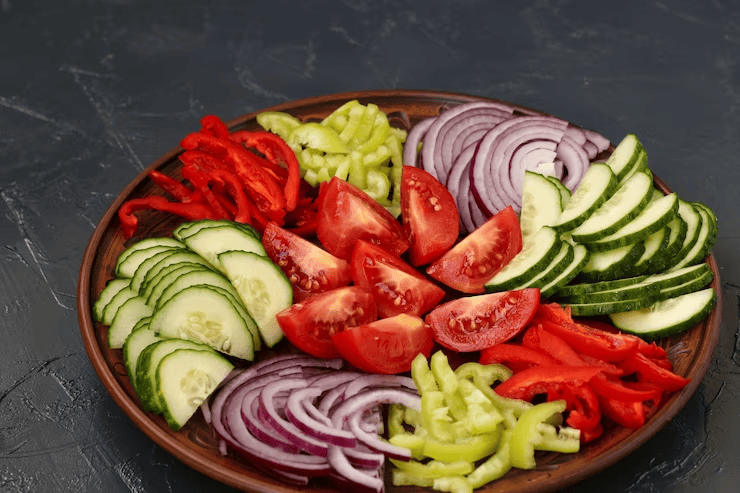

Poor or inadequate temperature control of food is the main cause of food poisoning.
Nobody wants that!
Here are some rules around temperature control for avoiding food poisoning.
The “Danger Zone” is the temperature range within which bacteria grow most quickly.

Some people are a bit more conscious of the impact of fridges on the environment and choose to keep their fridge and freezer temperatures a bit higher than recommended. Modern fridges are much better insulated and use less energy.
You can choose to set your fridge and freezer at a higher temperature in your own home but you must follow the government’s recommendations when at work. Do your own research and make your own mind up. There is a lot of good and bad information on the internet.
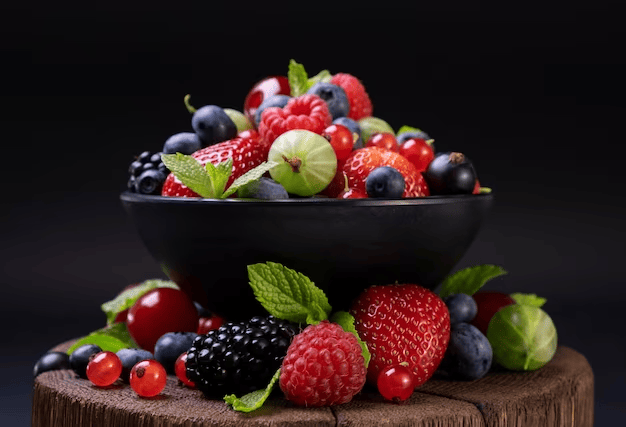
To encourage people to eat, food needs to look good and smell good.
When serving food, you should consider…
- Is it presentable and does it smell good?
- Is it at an appropriate temperature to meet the person’s preferences and what is written in the care plan?
- Does the food temperature meet food safety requirements?
- Is food of the right consistency for the individual?
- Is food cut up or blended, if specified in the care plan?
- Serving on an appropriate plate or bowl meeting any specialist needs.
- Does the food meet the person’s nutritional needs?
- Is the food something that the individual likes and wants?
- Does the food need fortifying with additional nutrients, if specified by a nutritionist?
NHS Eat well
You will find lots of brilliant information on the NHS’ website about living and eating well. I can highly recommend making time to look at this, not just for the people you support but for yourself and your family too.
.svg)



