

Your role may require you to be involved in food preparation.
To do this you will need to have a good understanding of the principles of safe food handling.
The law requires people who handle food to be competent in food safety and hygiene.
Even if you only need a basic level of knowledge for work, the knowledge from this course can support you at home as well as at work.
In food safety you will learn about the 4C’s.
These are:

Cleaning
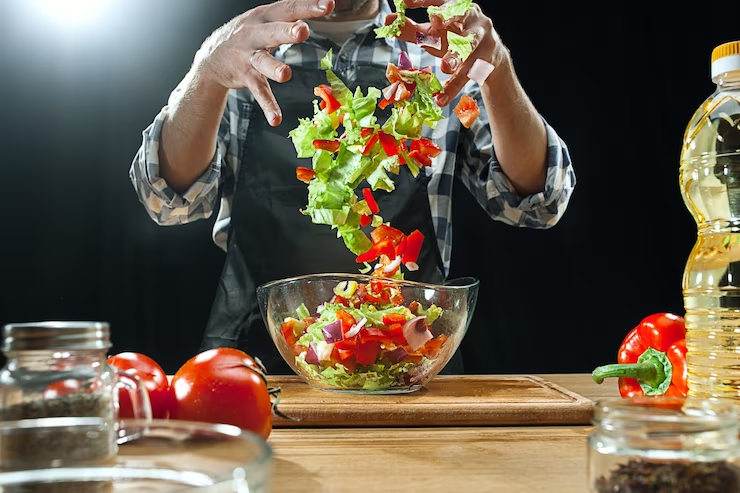
Cooking

Chilling
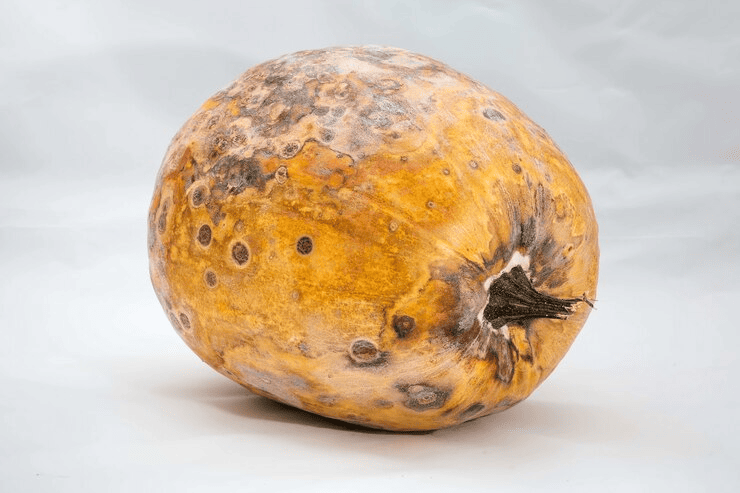
Cross-contamination
Many of the people you work with will have weakened immune systems, particularly if they have medical conditions and other health issues.
If you do not follow important food safety and hygiene guidelines, you will put individuals at serious risk of food related illness and even death. You will also put yourself at the risk of harm. If you have ever had food poisoning, you will know how unpleasant this is. With the added complication of other health issues, food related illness can be fatal for some people.
Food poisoning is not the only risk associated with food safety. We’ll look at the others in a moment. Meanwhile, these are some of the key things you need to know about food hygiene.
If food is prepared and stored in ways that contamination is prevented, the risk of illness and food hazards are reduced.
Food hazards can be:
| Physical | For example: objects found in food that can be harmful such as bones or bits of packaging. This presents the risk of choking or other illness by eating objects by mistake. |
| Chemical | For example: pesticides, weedkillers or cleaning chemicals that could be harmful if eaten such as cleaning products sprayed onto prepared foods or fruit and vegetables not being washed before preparation. |
| Allergenic | For example: individuals who may have allergic reactions if they come into contact or eat certain food products such as nuts, shellfish, milk or gluten. These can be extremely dangerous for some people and lead to death. |
| Bacterial | For example: pathogenic micro-organisms in food (as previously mentioned above in cross-contamination. This can lead to food poisoning. |
.svg)



