
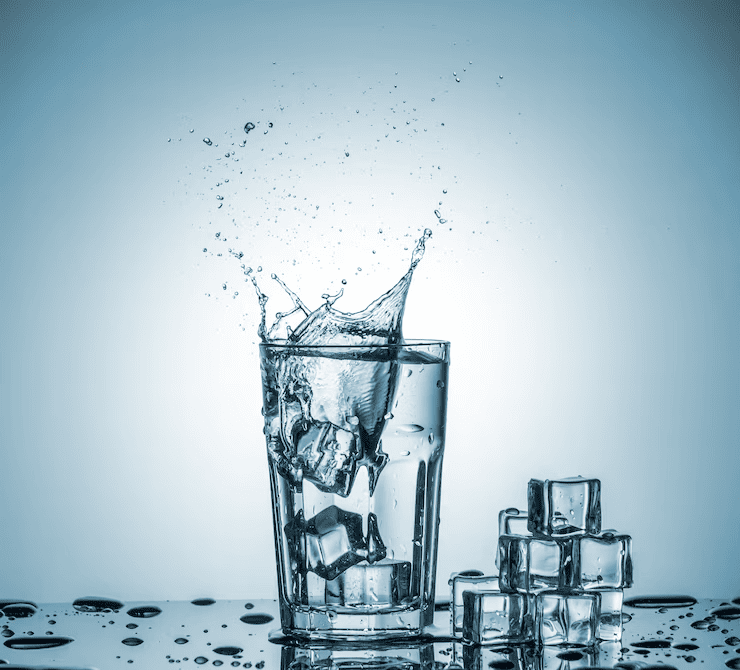
You can help the individuals you support by making sure you know about good nutrition and hydration.
Dietary habits are the decisions an individual makes when choosing what foods to eat. Some people, cultures and religions have different food preferences and some food taboos. You should learn about these so you can build trusting relationships with the people you support.
You cannot force people to eat healthily. We can all make choices, including the people you support. Education, knowledge and understanding are very important. Educating yourself and sharing information with the people you support will help them to make informed choices. Make sure your research comes from a trusted source and is factual. The information you give individuals must not include your opinions which are not important.

Make mealtimes more interesting.
Experiment with presentation.
Make food and eating fun and appetising.
Dull, boring, colourless food is not appealing.
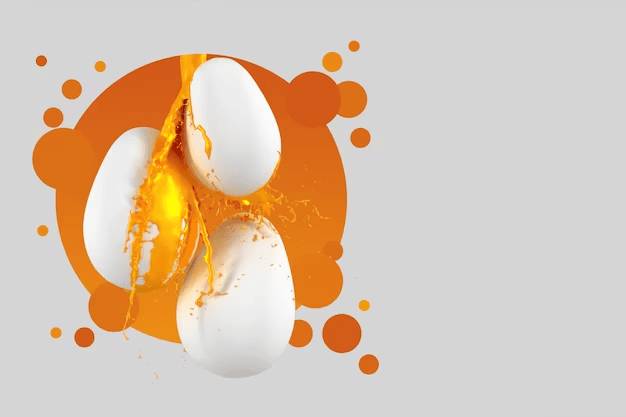
Egg-splosive!

Mine!
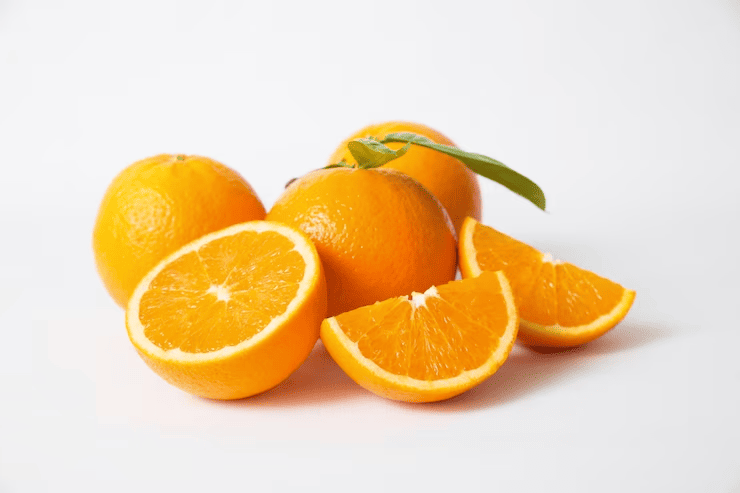
Orangutangy!
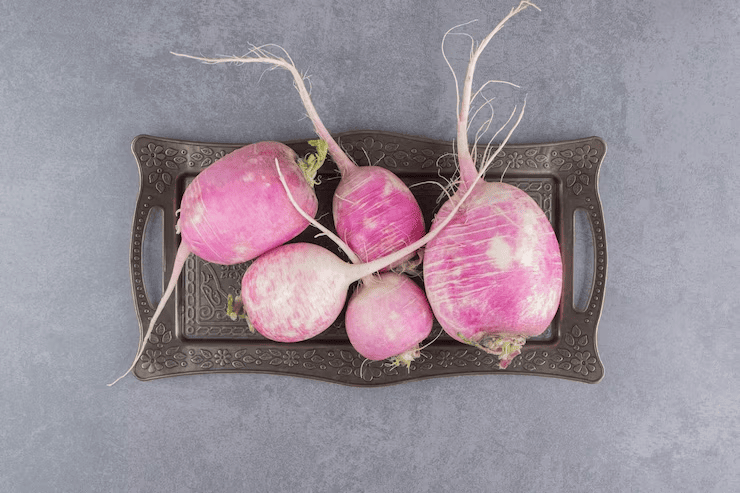
Radishing!
Apologies if English is not your first language; the words with the pictures will not translate. They are not important for this course. They are just a bit of fun. Feel free to take a photo of the screen and ask someone to explain when you have a break. You will need to like movies to get the second one (clue = seagulls).
Good nutrition requires the proper ingestion and equally important, the absorption of vitamins, minerals, and food energy in the form of carbohydrates, proteins, and fats.
NHS healthy weight calculator
This link takes you to the NHS webpage where you can find out more about healthy weight. There is a body mass index (BMI) calculator where you can find out if your body weight is in the region it should be. Go on – give it a go!
The word ‘diet’ is often used to describe an eating plan that is intended to aid weight loss. However, diet really refers to the food that a person eats during the course of a day or a week. The more balanced and nutritious your diet is, the healthier you can expect to be.
A balanced diet means eating the right amount of food from all the food groups. No single food contains everything the body needs, so it is important that your diet is varied.
Hydration
Water is the best source for your daily fluid needs. Other good drinks, herbal teas, and fruit and vegetable juices. Soft drinks count toward your daily total of fluid. Remember that sugar sweetened soft drinks and fruit juices add extra calories that you might not need.
.svg)



