
3.1 Identifying and Overcoming
Flawed Thinking Processes

To become more assertive in your behaviour, you need to start by fixing any underlying flawed thinking processes that may be holding you back.
If behaving assertively is new to you, you may find yourself making all kinds of excuses as to why you cannot or will not expect more from yourself
or other people.
This module is about identifying and correcting some of the faulty assumptions and thought processes
that require correction. Note that some of these can keep you stuck in aggressive
ways of behaving and some in a passive approach.
Since most of us behave in a variety of ways, depending
on the situation and who else is around, you might recognise
almost every counterproductive thought contained on this list! In each case, we are going to take a look
at why you
might be tempted to think such a thought and how to challenge it. In doing so, you will liberate
yourself to behave in a more assertive
manner.
THOUGHT:
“I can't teach myself to be assertive
- I'm too setin my ways.'
REALITY:
Change is possible
at any age.
Early on in the course, the term 'neuroplasticity' was introduced. If you recall, research demonstrates that we can make tangible
differences to our brain functioning at any age when we make the conscious decision
to change our behaviours. Granted,
it is hard to let go of bad habits and to release ourselves
from long-established patterns
of behaviour but it is far from impossible. Every day, people around the world are starting to learn new skills, give up smoking and try to live their lives in a healthier manner. If you think about it, you could probably
name a couple of new skills that you have picked up in the recent past. Why shouldn't
assertive behaviour be another skill to add to the list?
THOUGHT: “No-one
will like me if I stand up for my rights.'
REALITY: The people that matter will respect you all the more for being assertive.
A common misconception amongst passive people is that their reluctance to stand up for their rights, together
with their willingness to accommodate the wishes of others, at great cost to themselves, is the reason other people like them. This belief is rooted in low self-esteem. When you work on valuing yourself as a person of worth, you will realise that nobody who likes a passive person on the basis of their passiveness alone is worth the bother!
People who matter - those who appreciate good human qualities
such as honesty, authenticity and courage - admire assertiveness, not passiveness.
THOUGHT:
“Being assertive is too much like hard work!'
REALITY: Being assertive becomes easier with practice
It is true that making significant changes in the way that you relate to other people and the world around you will feel like hard work, especially
at the beginning. You may have to make the effort on a daily or even hourly basis to fight against entrenched attitudes
and habits; however,
it really does get easier with time. You will quickly notice within a few days that people respond more positively to assertive people than those who are passive or aggressive - this feedback will further encourage you.
“It's better to have a quiet life, so I will go along with what everyone else wants.'
REALITY: Sacrificing your feelings for the sake of keeping the peace leads to unhappiness.
Some passive people justify their behaviour by believing that the best way to enjoy a happy life is to 'keep the peace' by bending over backwards to accommodate everyone
else's desires. In the short-term this may indeed work. However,
adopting a passive relating strategy
will only destroy
your self-esteem and confidence in the long-term. You risk seeing your needs become totally
neglected and also risk missing valuable opportunities for development. Worse still, you may even begin to resent other people for ignoring your needs, even though, in reality, they may be ignorant of them!
THOUGHT:
“Sometimes you need to be a bit aggressive with other people so they understand how seriously you are taking an issue.'
REALITY: You do not have the right to treat anyone in an aggressive manner.
If you are ever tempted to shout, scream or use any other form of intimidation to get your own way, remember that everyone has the same rights as you do - and this includes
the right to live without having to fear the behaviour of others. It does not matter how important you think you are or how vital it is that others honour your request - you do not have the right to yell at anyone, end of story.
THOUGHT:
“S/he is bound to leave sooner or later so I don't have to worry about learning to stand up for myself.'
REALITY: Maintaining responsibility for your own happiness leads to greater
life satisfaction.
If there is someone in your life who makes you unhappy on an ongoing basis, it can be tempting
to enter a state of denial or (perhaps in the case of an unpleasant colleague
or neighbour) convince
yourself that they are bound to move on sooner or later so you may as well 'put up and shut up'. There are two problems with this
approach: firstly, you do not know for certain whether they will ever leave; secondly, letting the
situation continue unchallenged sends a message to yourself and others that you are not worthy of respectful treatment. Start standing up for yourself
now!
THOUGHT: “I would rather risk
being too passive than too aggressive, so I don't want to try and be
assertive.' REALITY: If you try to
practise healthy levels of assertiveness, it is unlikely that you will
inadvertently become aggressive.
Knowing how damaging
aggressive behaviour can be, some people are afraid of becoming assertive, in the fear that they will somehow transform into an aggressive
monster that makes other people afraid. This is particularly common in those who have been bullied, or have grown up in abusive households. Whilst this fear is understandable in light of such experiences, it is important
to note that following the steps in these modules will definitely not make you into an aggressive individual! Always remember to respect the rights of others and you can never go too far wrong.
THOUGHT: “I can't do it this time, but, the next time I'm in this situation, I'll stand up for myself.'
REALITY: Procrastinating on your own self-development only adds to your problems
and negative self-image.
Do you sometimes vow to start acting in
a more assertive manner by standing up for yourself, only to falter at the last moment and promise yourself to 'do better' next time? As you know, engaging in such a pattern leads to lowered self-esteem and lowers your trust in yourself. If you are finding it very difficult
to become more assertive, set yourself small tasks.
For example The next time someone asks you to run a relatively trivial errand, use it as an opportunity to stick up for yourself
in a minor way and say 'No.'
Activity
Estimated Time: 30 minutes
Write down any unhelpful
thoughts or feelings
you have that prevent you from being as assertive as you would like to be. Where do you think these thoughts
came from? How could you challenge them in the future?
3.2 State your objectives
clearly from the start

Going into a discussion,
meeting or negotiation and laying out the facts
as clearly as possible establishes you as an honest, transparent person who
believes in their own product, service or ideas. Do not be tempted to lie or over-embellish the truth. Identify
the other party's objections, if they have any, and repeat them back to ensure that you have understood.
If you are trying to persuade someone
else to undertake a particular course of action but they seem reluctant, take it upon yourself to ask them to outline their objections. Do this in an assertive
way by asking 'I sense some resistance
here - I'd really like to know what objections, if any, you have.' Once you learn what these objections are, double-check that you have understood by using the 'If I understand you correctly…' technique. By saying 'If I understand
you correctly, your main objections are XYZ, is that right?',
you come across as a skilled, assertive
and persuasive communicator who is well-equipped to handle objections.
Think in terms of getting
the other party to share your goals and objectives, rather than attempting
to find a way to coerce them into a particular course of action. Remember that aggressive
communicators attempt to get their own way at any cost, passive communicators yield to the path of least resistance but assertive people try and work out a solution
that upholds the rights and wellbeing of everyone concerned. Never use threats, bribes, or wheedling - it is undignified and, more often than not, does not work anyway.
Instead, highlight exactly
how your proposal
will benefit the other party.
3.3
Remind yourself
that, even if your attempts fail, there will be other opportunities. This prevents you from looking too desperate and trying too hard.
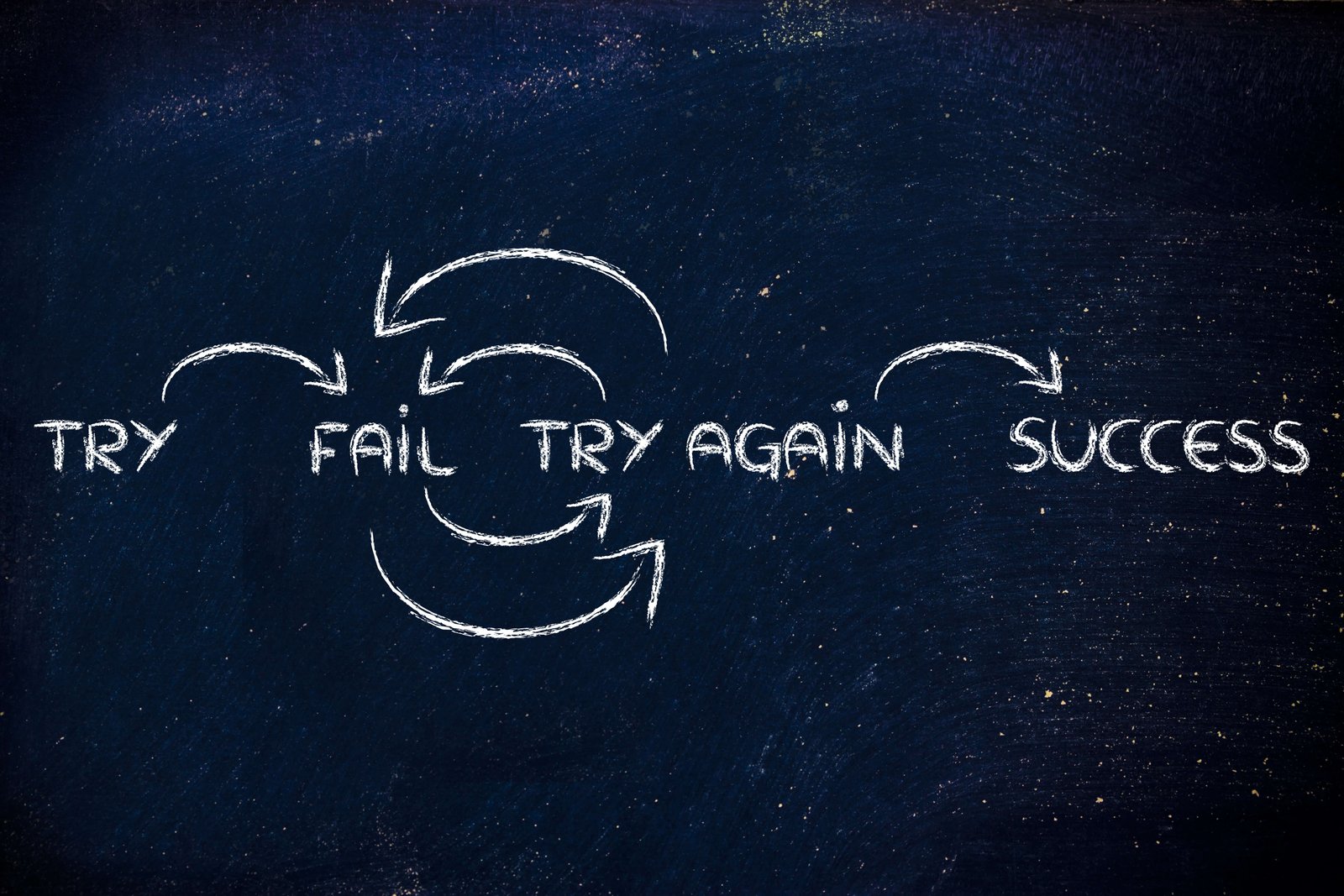
Despite your best efforts,
you may quickly realise that you and the person
with whom you are trying to negotiate are too far apart and an agreement or
deal seems unlikely. At this point, an assertive
person realises that the most gracious course of action is to respect the time and effort of everyone present
and gracefully close the discussion.
Emphasise that, if the other party does things your way, their rights will be upheld and their personal
happiness will increase.
Assertive behaviour is that which is geared towards a 'win-win' outcome. Take every opportunity to emphasise that you understand
how important it is that the other party's needs be taken into consideration and that their satisfaction is important to you.
Immediately but politely correct any misconceptions that others may hold.
As soon as possible, pick up on any misunderstandings or misinformation and correct it. Interject with a polite but firm 'Excuse me, before we go any further, I'd like to point out that actually…' and then ensure that everyone
is on the same page.
Do not allow yourself
to be drawn into arguments.
Arguing with a supplier, potential
partner or other business contact
is undignified and rarely results
in the outcome you want. If someone attempts
to start an argument with you, do not see it as an opportunity to 'win' and eventually persuade
them to adopt your way of thinking;
rather, see it as an early warning sign that the person or people with whom you are dealing cannot be relied upon to communicate in a mature way. Consider
it an indicator that continuing this relationship may even be more trouble
than it is worth.
3.4
Respect your audience
and research your subject matter
thoroughly.

Everyone's time is precious and we all have the right to be treated
with respect so, the next time that you present
information to someone
else or go in to propose a deal, respect
your audience by coming well prepared. This will also mean that, if and when you are asked questions, you will appear knowledgeable and confident, which in turn makes you more persuasive. Use the broken record technique
if someone attempts to divert the conversation in an irrelevant
or unhelpful direction. The broken record technique is an essential
tool for your assertive communication kit. Whenever someone attempts
to throw you off-course, either through malice or simple thoughtlessness, repeat the same response until they either give up or rejoin the original conversation.
For instance Suppose you are trying to persuade one of your long-term customers
to hire your organisation's services
again for the upcoming year but their representative is (unhelpfully) fixated on a recent minor scandal involving
your CEO - repeating a simple phrase such as 'Yes it was unfortunate but it's blown over with no lasting damage' in a neutral tone of voice can encourage them to stay on topic. An essential element of assertive
communication is taking the initiative
in keeping the conversation on the right track.
Activity
Estimated Time: 20 minutes
With a partner,
role-play a scenario in which you are responsible for convincing a member of the Senior Management Team that your department's training
budget should be increased for the coming year.
You have recently taken on two new members of staff who are showing promise but need more help in mastering certain pieces of software. You want the organisation to pay for the cost of a couple of online courses - how could you put your argument across in a convincing, assertive
yet respectful way? Have your partner play the role of a sceptical manager and try out the tips listed above.
3.5 Verbal Aspects of Behaviour

By now, you should understand the key elements that makeup healthy, assertive behaviour and have started to pick up practical tips on how to incorporate this knowledge into your day-to-day life . In this module,
we will expand your repertoire
of assertive behaviours by taking a look at the verbal signals associated with passive, aggressive
and assertive behaviour.
Whilst body language is very important (In fact, it is the topic of the next module!), each of the three communication styles is associated with particular verbal behaviours. Knowing
these can go a long way in helping you differentiate between interpersonal relational
patterns and can assist you in changing
your own behaviours for the better.
3.6 Verbal aspects of aggressive behaviour

Aggression is stereotypically linked to a loud speaking style but it is possible to sound menacing and aggresive by speaking in a soft, sarcastic tone of voice.
Just because someone is not shouting or screaming does not mean that they are not displaying high levels of aggression. If someone is using passive aggression as a means of getting their own way, they may even whine in a way that is meant to make them sound needy or pathetic
but is ultimately designed to control others and make them feel sorry for the aggressor. An aggressive person will have no qualms about interrupting other peoples' speech,
as they feel entitled to as much time and attention as they want.
When it comes to the content of their speech, aggressive people often make sweeping statements
that are inflammatory in nature and cast aspersions on another person's
character, rather than simply making reference to an incident
that has upset them. For instance, an aggressive supervisor
may become angry with an employee who has made a couple of mistakes when preparing
a document, saying 'You need to stop making so many mistakes!'
This is needlessly
aggressive because it implies that the problem is the employee's capabilities in general. This kind of comment shifts the focus away from the matter at hand and becomes a grand judgement on the other person as a whole.
How do you think the junior employee will feel in this situation?
They will probably
feel as though they have failed on a fundamental level and that, if a couple of small errors are enough to warrant such an aggressive reaction,
there really is little point in trying to please such a demanding boss. This sets the stage for a decline in the working
relationship between these two individuals.>
3.7 Verbal aspects
of passive behaviour

Passive verbal
behaviour is characterised by a low, soft, overly-polite tone of voice.
A very passive person will be afraid of confrontation or even of being noticed
in a social situation and their tone will reflect
this. Passive communicators do not interrupt
other people when they are talking - in fact, they will often hope that no one will notice them at all.
A person prone to passive
communication will often use minimising or apologetic words to an unreasonable extent.
If they make a contribution, they may preface their remarks with apologies
such as 'I'm sorry if this isn't helpful, but…' thus minimising their ideas and playing down their own efforts.
Since people who are prone to behaving
in a passive manner often go along with the wishes and needs of a dominant
figure or the majority, they are more likely than others to be 'yes men' or 'yes women'. They may employ placating
words and those intended to show almost unconditional approval
of what other people are saying. This may take the most obvious form imaginable, with them saying 'Yes' or 'Of course' at every possible moment.
3.8 Verbal aspects of assertive
behaviour

An assertive person speaks at an appropriate volume - they make sure that everyone in the room can hear them but they do not shout.
They do not use sarcasm, leaden pauses
or any other tactics with the intention of making themselves appear 'scarier' or more intimidating.
Their aim is not to dominate others or to hide themselves away but simply to get their views across in a straightforward and appropriate manner.
When an assertive
person wishes to make a point, they simply state what is on their mind, with no qualifiers or unnecessary apologies. If they are soliciting feedback,
they ask with confidence for suggestions as to what might be improved. Their confident manner indicates that they are able to withstand constructive criticism and therefore
they are more likely than either passive or aggressive
people to receive useful feedback on their work or ideas.
When exchanging ideas with someone else, they are likely to employ words and phrases that suggest that they understand
and respect what the other party is saying. A person who is behaving
assertively will use phrases like 'So, if I understand you correctly, you are proposing
XYZ?', 'I understand
that you think X because of Y but I want to raise point Z.' and 'You've obviously thought this through and presented
a thorough case but I'd like to ask a few questions
about…'.
Activity
Estimated Time: 20 minutes
With
a partner, role-play a scenario in which an employee is undergoing
a disciplinary procedure for persistent absenteeism.
Enact the same basic scene three times - firstly with the supervisor or manager being played as aggressive, then passive, then assertive. Think carefully about tone of voice and the kind of language
used. Even though this is simply a role-play exercise,
you might find it surprising as to the extent to which being treated with overt aggression in such a situation can quickly cause your mood to drop. In future, think carefully
before giving into any temptation you may feel to take any aggression out on someone else.
 |
.svg)



