Module 5: Safe Working Practices for Data Center Cleaning
Learning Objectives
By the end of this module, learners will be able to:
Identify and apply safe work practices to avoid disturbing asbestos-containing materials
Follow correct emergency procedures if asbestos is discovered or accidentally disturbed
Understand and implement proper waste handling and disposal protocols
Recognize the core practical skills for cleaners—what to do and what not to do in a data center environment
5.1 Introduction: The Foundation of Safe Work Practices
Why Safe Working Practices Are Critical
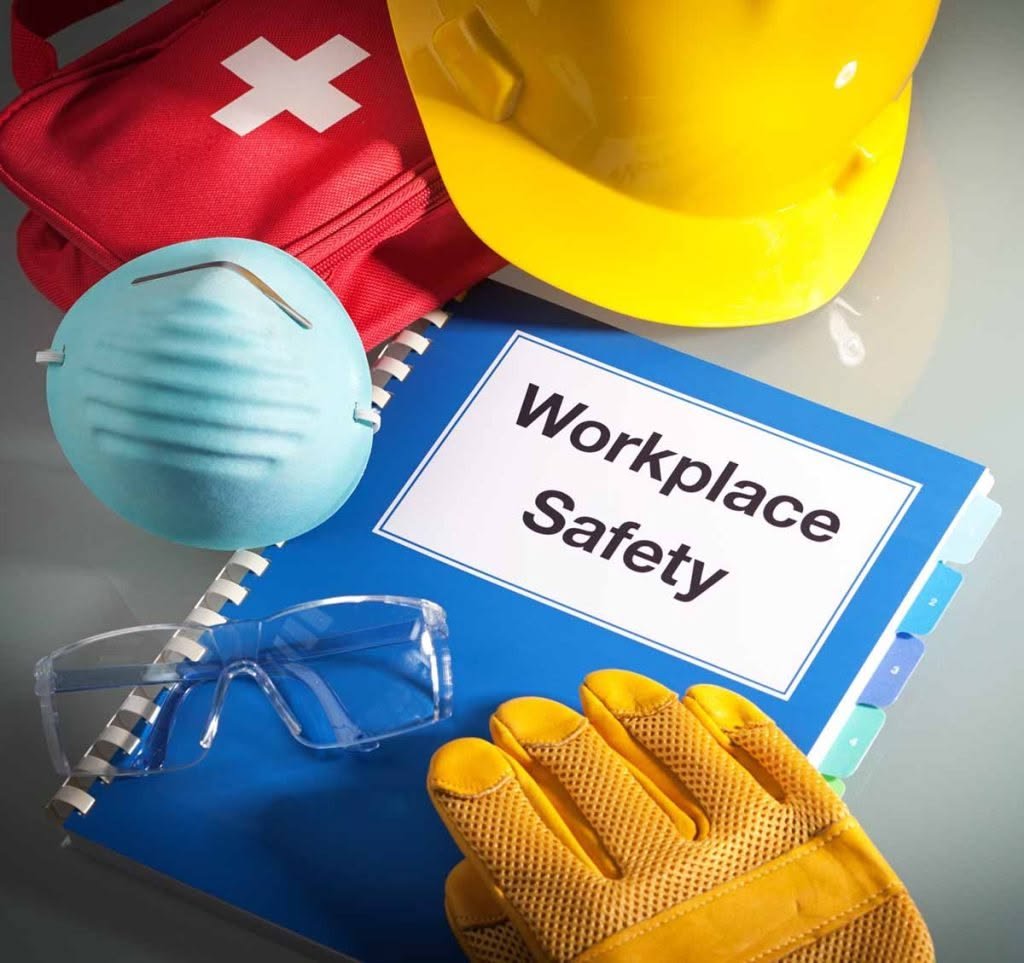
Asbestos fibers are only released into the air when asbestos-containing materials (ACMs) are disturbed, damaged, or deteriorate over time. Intact and undisturbed asbestos materials do not pose a significant health risk. However, data center cleaning activities—from vacuuming floors to lifting ceiling tiles for cable access—can inadvertently disturb ACMs if staff are not properly trained and equipped.
The core principle of safe working practices is simple: prevent disturbance through awareness, planning, and proper techniques.
The Three Pillars of Safe Work
5.2 Avoiding Disturbance: Proactive Measures

Pre-Work Preparation
Before any cleaning or maintenance work begins in a data center, the employer must establish if asbestos is likely to be disturbed during the work. This involves:
Reviewing the Asbestos Register: The building's asbestos register or survey must be checked to confirm the location and condition of ACMs.
Pre-Work Approval: If accidental disturbance is possible, pre-work approval from the Asbestos Program Manager is required.
Risk Assessment: Any work that may disturb asbestos must be risk assessed, planned, and completed by appropriately trained and competent workers.
The Likelihood of Disturbance Framework
EPA guidance classifies maintenance activities based on the likelihood of disturbing ACMs:
What NOT to Do: Prohibited Practices
NEVER use the following methods when cleaning in areas where asbestos may be present:
Dry sweeping or dusting: This re-suspends asbestos fibers into the air
Using compressed air: Compressed air blasts fibers into the air, contaminating the entire area
Using regular vacuums: Standard vacuums do not capture asbestos fibers; they exhaust them back into the air
High-pressure water spray: This can destroy the binding matrix of ACMs and spread contamination
What TO Do: Safe Cleaning Techniques
HEPA Vacuuming
Only HEPA-filtered vacuum equipment must be used for vacuuming. The equipment must be used and emptied in a manner that minimizes the reentry of asbestos into the workplace. HEPA vacuums capture 99.97% of particles down to 0.3 micrometers in size.
Wet Methods
Use wet methods (e.g., damp cloths, water sprays) to suppress dust when handling or cleaning areas where asbestos may be present. Water prevents fibers from becoming airborne.
Wet Wiping
Surfaces should be cleaned by wet wiping, followed by HEPA vacuuming. Records of cleaning activities—including name, location, date, and time—should be documented for recordkeeping.
5.3 Emergency Procedures: What to Do If You Discover or Disturb Asbestos
Discovery vs. Disturbance
Discovery: You find material you suspect may contain asbestos but have not disturbed it.
Disturbance: You have accidentally damaged, broken, or released fibers from ACM.
Both situations require immediate action, but the response for disturbance is more urgent.
If You Discover Suspect Material
Stop work immediately
Do not touch or disturb the material
Speak to your employer or the building owner to find out if asbestos is documented in the asbestos register
If the material is not in the register, report it to your supervisor immediately
If You Accidentally Disturb Asbestos
Immediate Actions - STOP, EVACUATE, REPORT
If asbestos is disturbed during your work, it must be dealt with quickly and appropriately. Follow these steps in order:
Step 1: Stop Work Immediately
Stop all activities in the area. Do not continue working or try to clean up the material yourself.
Step 2: Evacuate the Area
Immediately vacate the room or area and restrict access using signage and barrier tape.
Step 3: Report the Incident
Issue an emergency report to the Asbestos Coordinator or supervisor. Outside of normal business hours, call the designated emergency contact or building security.
Step 4: Do NOT Attempt Cleanup
Do not attempt to clean up the ACM unless you are a licensed asbestos abatement contractor. Cleanup of an incidental disturbance must be conducted by a licensed asbestos abatement contractor, with oversight from an environmental consultant.
Emergency Asbestos Kit
Some sites maintain an "Emergency Disturbance of Asbestos Kit" to help operatives respond to accidental disturbance. A typical kit contains:
FFP3 dust masks
Industrial wet wipes (wet rags)
Waste bags and tape (for potentially contaminated clothing)
Type 5 coveralls
Laminated instructions for personal decontamination
Lists of client-specific contact numbers for help with internal procedures
This kit is designed to help operatives minimize exposure and prevent the spread of asbestos during an unexpected disturbance.
Major vs. Minor Fiber Releases
Major Fiber Release (more than 3 square or linear feet of ACM affected):
Isolate the area by closing doors and erecting temporary barriers
Post signs immediately outside the release site
If asbestos fibers could enter the HVAC system, shut down and seal off the system
Engage licensed asbestos abatement contractors
Conduct thorough cleanup with final clearance air monitoring
Minor Fiber Release (3 square or linear feet or less):
HEPA vacuuming and wet wiping
Proper waste containment in labeled, leak-tight containers (e.g., 6-mil thick plastic bags)
Worker protection procedures must still be followed
5.4 Waste Handling and Disposal Protocols
.jpg)
The Importance of Proper Waste Disposal
Asbestos waste is classified as hazardous waste and must be managed with extreme care. Improper disposal can lead to worker exposure, environmental contamination, and significant legal penalties. In Virginia, all asbestos-containing waste materials must be disposed of in a special purpose landfill or a designated area of a sanitary landfill. Additionally, owners must record a notation on the deed to the property in perpetuity notifying future purchasers that the property has been used for asbestos disposal.
Waste Containment Procedures
Packaging Requirements
Step-by-Step Waste Packaging Process
Place waste materials in an impermeable container (at least 6-mil thick plastic bag) within the contained asbestos work area
Seal the container and label it "ASBESTOS"
Double-bag the waste
Before removing sealed containers from the work area, decontaminate the exterior of each container by wet wiping or HEPA vacuuming
Package sealed impermeable containers to prevent puncturing during handling and transport—this is typically achieved by double-bagging
What NOT to Do with Asbestos Waste
DO NOT dispose of asbestos waste in general waste, recyclables, or green waste bins
DO NOT drag or slide bags across rough or abrasive surfaces (this can puncture bags and release fibers)
DO NOT use regular trash compactors for asbestos waste
DO NOT allow waste to remain unsealed or unlabeled
Transport and Final Disposal
Asbestos waste must be transported to a landfill authorized to receive it
Contact the landfill before transport to confirm acceptance procedures
Licensed asbestos removalists should handle waste transport where possible
Recordkeeping is essential—waste records must be maintained to document proper disposal
Waste Storage on Site
Strict rules apply to storing asbestos waste. If waste must be stored temporarily on site:
Store in a secure, contained area with restricted access
Ensure all waste remains double-bagged and sealed
Label storage areas with asbestos warning signs
Remove waste to an authorized landfill as soon as possible
5.5 Practical Considerations for Data Center Cleaners
Risk Assessment Before Starting Work
Before beginning any cleaning work in a data center, cleaners should:
Check the asbestos register for the building
Identify ACMs in the work area from the register
Plan work to avoid disturbing these materials
Use appropriate equipment (HEPA vacuums, wet cleaning supplies)
Wear appropriate PPE as required by the risk assessment
Know the emergency procedure for the specific site
Recordkeeping Requirements
Proper recordkeeping is essential for asbestos safety programs. Records should document:
Location, date, and time of cleaning activities
Employee training records (maintained for one year beyond last employment date)
Employee exposure-monitoring records
Medical surveillance records
All data demonstrating that suspect materials do not contain asbestos
All records of abatement projects and O&M activities
These records should be included within the Asbestos Management Plan (AMP) for the facility.
What to Do When Moving Between Data Centers
Data center cleaning personnel often work in multiple facilities. Each site may have different procedures, ACM locations, and emergency contacts. To avoid confusion:
Attend site-specific inductions for each data center
Review the asbestos register for each new site before starting work
Know the emergency contact numbers for each site
Carry an emergency asbestos kit or ensure one is available on site
5.6 Key Takeaways for Data Center Cleaning Personnel
Summary of DOs
Summary of DON'Ts
5.7 Emergency Action Card
If you discover suspect material:
STOP
DO NOT TOUCH
REPORT to supervisor
If you accidentally disturb asbestos:
STOP work immediately
EVACUATE the area
RESTRICT access (signage/barrier tape)
REPORT to supervisor/asbestos coordinator
DO NOT attempt cleanup
.svg)