Module 1: Introduction and History of Asbestos
Learning Objectives
By the end of this module, learners will be able to:
Define asbestos and identify its key physical properties
Understand the historical timeline of asbestos use in construction
Explain why asbestos became widely popular in building materials
Recognize why data centers are at risk for containing asbestos-containing materials
1.1 What is Asbestos?
Definition and Origin
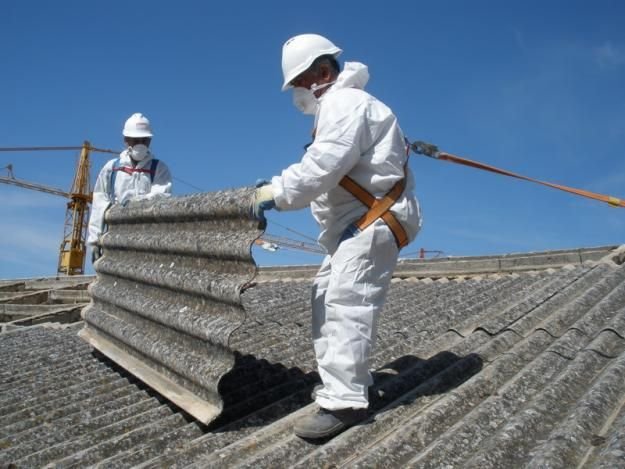
Asbestos is a group of naturally occurring, toxic, carcinogenic, and fibrous silicate minerals that were commonly used as building materials in properties constructed before the year 2000 . The name "asbestos" derives from the Greek word "ασβεστος" (asbestos), meaning "indestructible" or "inextinguishable" . This name reflects one of its most valued characteristics—its resistance to fire and heat.
Types of Asbestos
There are three main commercial types of asbestos, classified by their mineral composition:
Physical and Chemical Properties
Asbestos possesses a combination of unique properties that made it extraordinarily useful in construction and manufacturing:
Fire resistance: Asbestos is non-combustible and provides excellent thermal protection
Great tensile strength: Asbestos fibers have unparalleled strength and pliability
Resistance to heat, fire, electricity, and chemical attack: These properties made it versatile across numerous applications
Ability to bind with other materials: Asbestos could be incorporated into cement, plaster, vinyl, plastics, and resins
Relative cheapness and availability: It was inexpensive to mine and easy to add to existing production processes
1.2 Historical Use of Asbestos in Building Materials

Early History
The first recorded uses of asbestos date back to classical antiquity, where it was used for lamp wicks and cremation cloths . However, these were esoteric uses of a rare commodity limited to a very restricted aristocracy. Asbestos cloths and napkins were rare showpieces, such as the specimen exhibited to the Royal Society of London in 1685 .
The first commercial venture in asbestos use was at the Naviansky factory in Russia, which manufactured asbestos gloves, socks, and handbags. More successful commercial use came with the need for heat-insulating packing material that arose with the development of the steam engine, leading to rope packings, insulating boards, and boiler covers .
The Asbestos Industry Boom
The real beginning of the asbestos industry came in 1877 with the discovery of extensive chrysotile deposits in the Thetford and Coleraine regions of Quebec, Canada . This discovery made asbestos plentiful and affordable for the first time. In 1893, large-scale mining of crocidolite began in South Africa, followed by the discovery of amosite in 1907 .
Peak Usage Period
Global asbestos consumption reached its peak around 1980, with world total consumption amounting to 4.83 million tons . The United States and European countries were major consumers until the 1970s, after which consumption began to decline due to growing awareness of health risks and subsequent regulations .
The widespread use of asbestos in homes and commercial buildings was not considered risky or experimental during much of the twentieth century. Builders and homeowners valued it for fire safety, longevity, affordability, and energy efficiency .
1.3 Why Asbestos Became Popular
Fireproofing and Safety
Among the most compelling reasons for using asbestos was its fireproof properties. Houses heated by coal, early gas, or outdated electrical systems were more likely to experience fires. Asbestos seemed a safe choice to both builders and regulators at a time when fire safety measures were more limited . This made it particularly valuable for:
Structural fire protection on steel beams
Fire doors and fire breaks
Fire blankets and protective clothing for firefighters and race car drivers
Strength and Durability
The strength and pliability of asbestos fibers are unmatched. When combined with cement, plaster, or vinyl, they created materials with superior resistance to cracking and wear. Asbestos was ideal for use in siding, ceiling tiles, shingles, and panels because of its strength—materials that could endure time, weather, and extensive use without frequent repairs .
Affordability and Ease of Production
Because it was inexpensive, asbestos became highly popular. It cost little to mine and was simple to incorporate into existing production processes. Companies could add asbestos to products without requiring factory redesigns or staff retraining. Developers could keep construction costs down while meeting the increasing demand for affordable housing during housing booms .
Industrial and Manufacturing Applications
The development of the motor car created another major advance in asbestos use through the consequent need for brake lining materials . Beyond buildings, asbestos was used in over 3,000 different products , including:
Brake linings and clutch pads
Gaskets and washers for industrial power and chemical plant
Drive and conveyor belts
Spacecraft heat shields to protect occupants during re-entry
Versatility in Form and Application
Asbestos could be applied and installed in numerous ways:
Hand-applied as pipe lagging
Fixed with adhesive (floor tiles)
Sprayed for fire protection to steelwork
The asbestos content of materials varied depending on purpose—lagging materials contained up to 80% asbestos fibre, while materials where asbestos was added as a binder or strengthener contained as little as 10% .
1.4 Asbestos in Data Centers: The Legacy Risk

Why Data Centers Are Vulnerable
Data centers are often located in older buildings where asbestos was commonly used in fireproofing, insulation, and floor tiles . The technical infrastructure of data centers—particularly raised floors and suspended ceilings for cabling—created environments where asbestos materials could be disturbed during maintenance and cleaning activities.
Real-World Evidence of Risk
A documented case highlights the real danger: Mervon Jessop, 72, worked at a Barclays Bank data center in Gloucester, UK, for approximately 12 years starting in 1978. He spent time in the Barnwood Gloucester Data Centre, which had raised floors and suspended ceilings for data center cabling. When cables were pulled through the ceiling, it would disturb the tiling and debris, which he suspects contained asbestos. Jessop was later diagnosed with mesothelioma, a terminal lung cancer associated with asbestos exposure .
Helen Tomlin, a specialist asbestos-related disease lawyer, noted: "While many people often associate asbestos with heavy industry, its use was a lot more widespread" . This statement underscores that data centers—often perceived as modern, clean environments—can harbor legacy asbestos risks.
Common Asbestos-Containing Materials in Data Centers
Based on known asbestos applications in commercial and institutional buildings, data center cleaning staff may encounter asbestos in:
Friability and Fiber Release
Materials such as spray-applied insulation, pipe insulation, ceiling tiles, and plaster are considered friable—they can be "crumbled, pulverized, or crushed to powder with hand pressure when dry" . Friable materials readily release airborne fibers when disturbed.
Non-friable materials like vinyl-asbestos floor tiles do not release airborne fibers unless sanded, broken, or otherwise damaged . However, in data centers where cables are frequently pulled through ceilings, tiles may be damaged or broken, creating fiber release risks. Water damage, continual vibration, aging, and physical impact such as drilling, grinding, or cutting can break materials down, making fiber release more likely .
1.5 Regulatory Timeline and Decline of Asbestos Use

Early Recognition of Health Risks
Although asbestos exposure warnings had existed since the 1920s, they were frequently disregarded due to inadequate communication. Asbestos was often believed to be harmless when left undisturbed in buildings due to lax regulatory control. Consequently, domestic use persisted far into the 1970s, even after industrial hazards were recognized .
Key Regulatory Milestones
1985: Crocidolite (blue) and amosite (brown) asbestos were banned in the UK .
1989: The U.S. EPA promulgated the Asbestos Ban and Phase-Out Rule, intended to prohibit the manufacture, importation, processing, and distribution of asbestos in almost all products at staged intervals .
1991: Most of the ban was repealed, leaving only a few product categories still banned. Product categories that remained legal included vinyl-asbestos floor tile, roofing felt, roof coatings, asbestos-cement pipe and sheet, gaskets, and asbestos clothing .
1999: Chrysotile (white) asbestos was banned in the UK in November 1999 (May 2000 in Northern Ireland) .
1990-1996: The United States implemented a three-stage ban on asbestos product production, import, and processing .
2004: Japan amended its Industrial Safety and Health Act to prohibit asbestos use, leading to near-zero imports by 2005 .
Current Status
The use of chrysotile asbestos is now banned in over 40 countries, including all EU member states . However, products containing asbestos remain in place in millions of buildings worldwide, creating an ongoing legacy risk for workers in maintenance and cleaning roles.
1.6 Key Takeaways for Data Center Cleaning Personnel
Historical Presence: Asbestos was used extensively in buildings constructed before the year 2000, including many data centers.
Common Locations: In data centers, asbestos is most likely found in pipe insulation, ceiling tiles, floor tiles, fireproofing, and fire doors.
Disturbance Risk: Cleaning and cable-pulling activities can disturb asbestos-containing materials, particularly in ceiling voids and sub-floor spaces.
Legal Protection: Intact and undisturbed asbestos materials do not pose a significant health risk. However, management programs are essential to prevent disturbance and protect workers .
"Suspect Material" Rule: All suspect materials should be presumed to contain asbestos until sampled by an accredited inspector and analyzed by an accredited laboratory .
Health Consequences: Asbestos-related diseases, including mesothelioma, lung cancer, and asbestosis, typically appear 20-40 years after initial exposure
.svg)