
1.1 Introduction
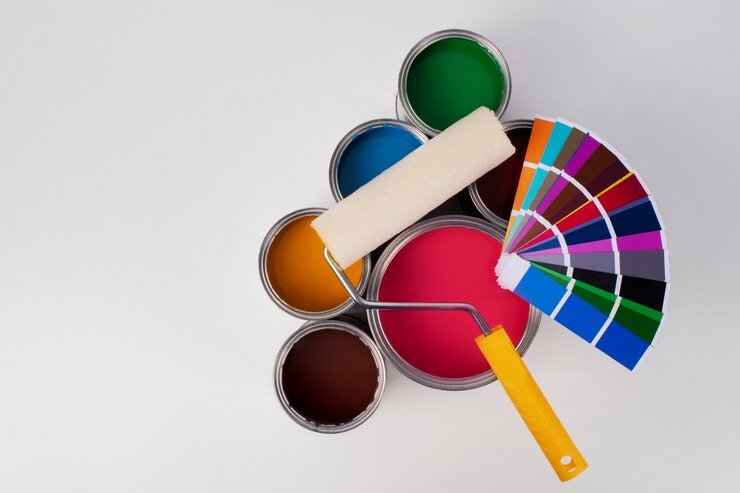
If you are someone who enjoys working with your hands, creative pursuits, and changing people's lives for the better, then a career as a painter and decorator might be perfect for you. Before you jump into this industry, however, it is imperative that you take the time to not only understand the industry, but also how to effectively run and manage a business. There are also a number of misconceptions about this industry that must be eradicated. For example, people often believe that the painting and decorating business is low skilled work that is easy money.
However, this is certainly not true. It takes a lot of effort and skill to do this work, and though you don't necessarily require many qualifications, it isn't as easy as it seems to succeed. The painting and decorating industry is quite broad, and depending on the services you offer to clients, you might have to learn new skills and abilities. This is a good thing to consider, as it will bring in more business. For instance, if you only know how to paint and apply wallpaper, you could be limiting yourself, so it is a good idea to learn other skills, such as plastering and tiling. This course is designed to help interested individuals enter into the painting and decorating trade. It will cover information about the industry, the tools you will require to succeed, and even how one can start their own business. This particular module will give you an overview of the industry, the equipment required, and safety precautions that you must take.
1.2 What Does a Painter and Decorator Do?
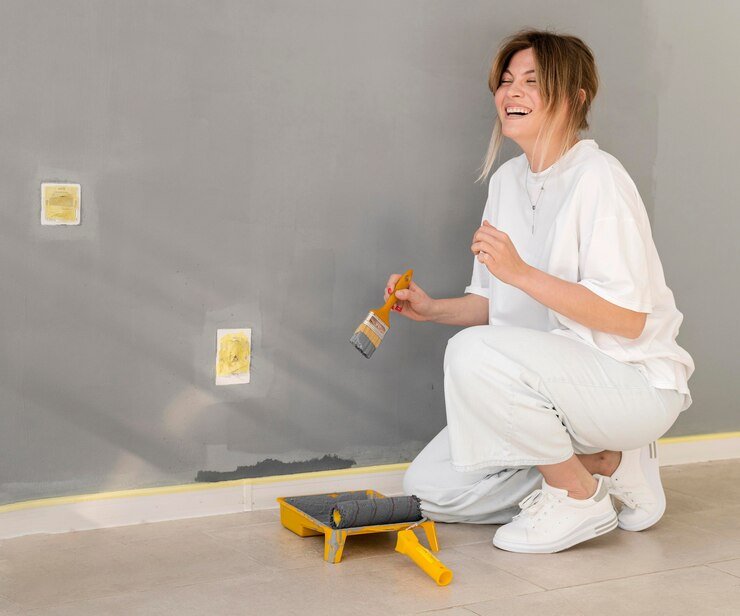
Before getting into the details about a career in painting and decorating, it is important to understand the basics. Remember, this is a very broad career, and you might choose to offer services that other painters and decorators do not, and vice versa. However, there are some basic tasks that most painters and decorators do on a daily basis. These include the following: Prepare workspaces by stripping wallpaper, sanding paint away, and cleaning Measure walls, floors, and other areas; measure materials, such as wallpaper and paint, adhesives, etc.
*Clean brushes and other tools
*Take steps to protect furniture or other fixtures in the workspace
*Fill cracks and holes to create smooth surfaces
Painters and decorators might work in homes, businesses, industrial locations, or almost anywhere that has walls.
Thus, you might be required to work in conditions that are uncomfortable. You also must be aware that you will likely be standing a lot and performing repetitive motions, so it can be a bit tough on the body. You will also be breathing in fumes, which might become problematic for some individuals.
Activity #1
Estimated Time: 10 minutes
Now that you have decided to embark upon a new career in the painting and decorating industry, and have a basic understanding of the job, it's important to weigh the pros and cons. While this is a broad career choice, there are several daily tasks that you can count on performing daily. You can expect to prepare workspaces, strip wallpaper, sand paint, measure materials, and work with various tools and furnishings. On a daily basis, you may also clean, fill cracks in furnishings, and work to secure furniture from damage. Before moving forward with your career goals, take a few moments to weigh the advantages and disadvantages so you can determine if a career in painting and decorating is right for you.
1.3 Is a Career in Painting and Decorating Right for You?
.jpg)
If you enjoy practical, hands-on work and enjoy creating and transforming the old into the new, a career in painting and decorating will be quite satisfying. You must have an excellent eye for the smallest details, and you will require finely tuned time management skills, as you will be confined to contracts and deadlines. You also must be able to work with others, as you will often work with a team of other people. Safety is also of the utmost importance, so safety-minded individuals will fit right in. It is also important to think about the advantages and disadvantages of this industry.
First, the advantages: As a painter and decorator, the odds of repeat work are in your favour if you do a good job. If a client is pleased with your work, they will often not waste time with others if they already know that you will do good work. You will often work during the day, which means that you will have your evenings and weekends free. This is also very satisfying work, as you are taking something that is old and boring and transforming it into something beautiful. You will meet and interact with new people, and you will experience a great sense of pride in your work when you see the final outcome.
Now, there are also disadvantages of working in the painting and decorating industry: First, as was mentioned previously, you will likely work both indoors and outdoors, which means that you might have to deal with various weather conditions, including rain or even snow. You will also have to work on days when it gets very hot, or when it is very cold. In addition to the weather, you will also experience overtime, with added pressure to meet deadlines. Painting and decorating can also be messy, so you should expect to get paint and other materials on your clothing, skin, and hair. The equipment can also be heavy and awkward to handle, so you will have to prepare for that, too.
Activity #2
Estimated Time: 10 minutes
Anyone can enter the painting and decorating field without any experience; however, there are several ways to boost your probability of gaining more job prospects. You can learn the basics of the industry through on the job experience, apprenticeships, or training courses. Regardless of the training method you choose, there are distinct personality qualities that will boost your job prospects, and help you succeed in this industry.
A painter or decorator should enjoy hands-on work and have a keen eye for transforming the old into new. To embark upon a career in painting and decorating, you should have excellent time management skills, and a finely tuned attention to detail. Also, you should be open to working within tight deadlines, and possess the ability to work well with others. Lastly, since safety is of the utmost importance you should be a safety cautious individual to enter this profession. Considering these qualifications and your own personality, make a list of your qualifying skills and the strengths you feel you can bring to this career.
1.4 Skills and Qualifications

Though you can enter the painting and decorating field without any experience, there are some skills and qualifications that can give you a boost. For example, experience in the field is always a good way to boost your job prospects, but again, it is not necessarily a deal breaker if you do not have experience. If you do want to get experience, however, consider applying for labourer jobs in the industry, which require no experience at all. This will allow you to learn the basics of the field, whilst getting excellent experience to boost your CV. There are training courses that one can take to further boost their skills in the painting and decorating industry. For example, you can get a Diploma in Decorative Finishing and Painting Occupations - Painter.
This covers roller and brush techniques, wall coverings, installing coving, using finishes, and more. There is also a Diploma in Decorative Finishing and Industrial Painting Occupations. This covers using special treatments, finishes, and blasting, among other skills. There are also college courses that you can take, such as Basic Construction Skills, Painting and Decorating, and Construction Crafts. Courses such as this will also help you to boost your skills and knowledge in the industry, and something that you can put on your CV to show that you have knowledge of painting and decorating. Apprenticeships are also available in painting and decorating. There is no better training than on the job training, and by working an apprenticeship, it will give you all of the experience you require before heading out to find a permanent job in the industry.
Activity #3
Estimated Time: 10 minutes
After weighing the advantages and disadvantages, and considering your qualifying skills, you may be ready for on the job training. As a painting and decorating professional, you will need to become familiar with the arsenal of tools and materials that you could be working with daily. These tools range from small tools and equipment for removing wallpaper to adhesives, paints, and sealers.
As you begin your career you might be surprised to learn how many different types of paint, varnish, and sealers are available for you to work with. Consider all the small tools, paints, and materials you learned about in the course, and select a room to remodel. You can choose a room in your own home, or a friend, or family member's home. Explain what your plans are for that room from a decorating perspective. Are you going to paint the room? If so, will you use a gloss, or matte finish? If you are applying wallpaper, which adhesive do you prefer? What additional tools and materials will you require to complete your finished look?
1.5 Small Tools and Equipment
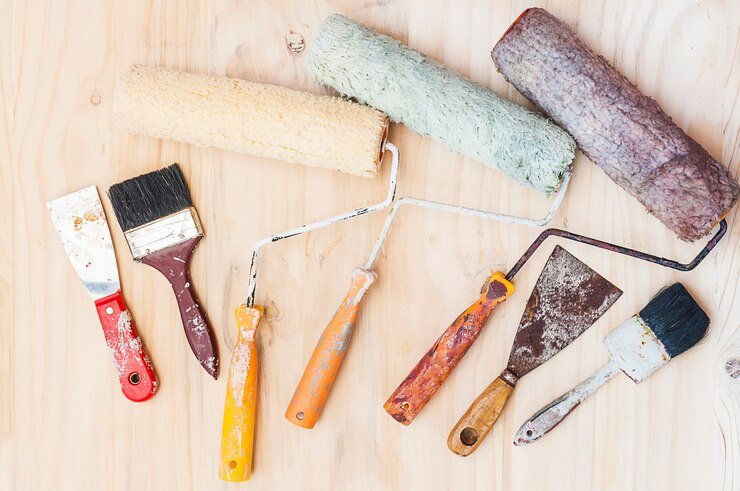
As a painting and decorating professional, you will have an arsenal of tools available to you. Many of these tools you will use at least weekly, others, you might only use on occasion. Here are some of the small tools and equipment you might need:
Stripping Knife or Scraper
A stripping knife or scraper is used to remove wallpaper or paint, and it can be used for a variety of other tasks.
Filling Knife
Filling knives are used for filling small spaces with putty or other materials. These knives come in a variety of sizes, and they are often also used for mixing, stripping, and scraping.
Caulking Tool
Caulking tools allow you to smooth caulk and ensure that it's even after the application. These are available in different shapes, sizes, and angles.
Shave Hook
Shave hooks are tools that are often used to remove paint and other materials from surfaces, such as window sills. These come in different shapes that one might use for irregular surfaces that are not easily accessed.
Hacking Knife
A hacking knife is a strong, tough knife that is similar to a small hatchet. These are used to split small pieces of wood or used for removing old putty before re-glazing windows.
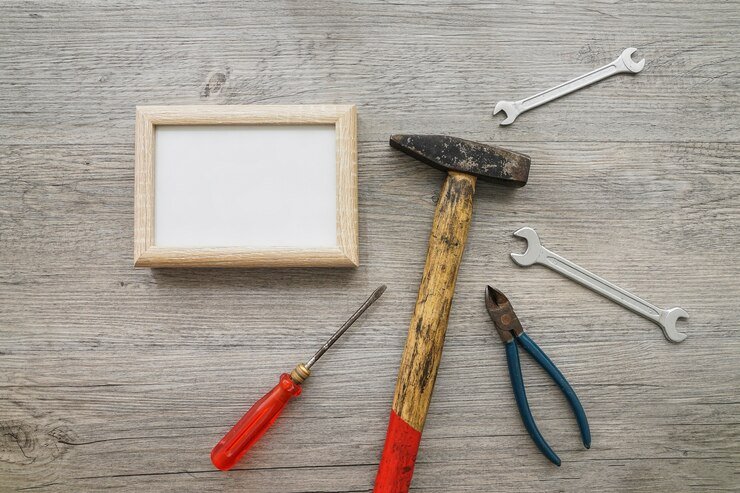
Hammer
You will also require a hammer when working as a painter and decorator, and again, this can be used for a variety of purposes, including securing nails.
Nail Punch
A nail punch is a tool that can be used to mark off where nails will go. Additionally, a nail punch can put nails into areas where hammers cannot reach.
Pincers
Pincers are hand tools that allow you to grip, pull, twist, or otherwise manipulate objects.
Measuring Tape
Measuring tape is a tool that is like a flexible ruler and made of different materials. Some are metal, some are made of fibre glass, and some even made of cloth.
Screwdrivers
You should have a wide range of screwdrivers available. Screwdrivers come with different shaped heads and in different sizes.
Wire Brush
Wire brushes are also important to have. They are excellent at removing paint, and also can remove rust and other difficult to remove materials.
Filling Board and Hawk
You will use filling boards to hold plaster or other materials, and the hawk is used to apply the material to a surface.
Paint Strainers
Paint strainers are also important to have, as you must make sure your paint is free of debris. By straining the paint, you ensure that there is no dried paint, drywall, or other items in the paint that could become visible after the application.
Rubbing Block
A rubbing block is an abrasive block that is often used to remove paint, rust, and other materials from objects. There are different forms of rubbing blocks on the market, with different grit and even different sizes and weights.
Paint Kettle
A paint kettle will allow you to reclose paint tins, which help to prevent contamination and evaporation.
Kettle or Pot Hook
A kettle or pot hook is a necessary tool that will hold paint tins or kettles on ladders. This adds convenience and helps to complete painting in a timely manner.
Bucket
Buckets are important for painters and decorators, too, as they can hold paint, primer, glaze or any other liquid. The buckets are also great for carrying other tools, such as brushes.
Paint Trays
Paint trays allow you to pour a small amount of paint out of the tin, and then use it directly from the tray. This allows for greater portability.
FACT
A painter or decorator will need practical skills along with a high level of attention to detail and mathematical skills to work out surface areas and quantities. Additionally, they should possess the ability to follow job instructions.
Source: Nationalcareersservice.direct.gov.uk
1.6 Tools for Wallpaper Hanging
There are also tools that you will need if you offer wallpaper hanging to your clients.
Paperhanging Brush
Paperhanging brushes are important if you are hanging wallpaper. These brushes are wide with firm bristles, and when rubbing the brush over the wallpaper, it helps to smooth out wrinkles.
Scissors
Scissors are handy, too, as you never know when you might need to trim the paper or cut other items.
Seam Roller
To ensure the seams of the wallpaper are lined up correctly, you will require a seam roller. These are metal rollers that smooth out edges, ensuring a professional look.
Felt Roller
A felt roller is similar to a seam roller, except it is used for delicate wallpapering.
Paste Table
A paste table is used for several reasons, especially for applying adhesive to wallpaper.
Trimming Knife
Trimming knives are excellent for cutting wallpaper and other materials that you will use for painting and
decorating.
Straight-Edge
Straight-edges are perfect for applying wallpaper, and serve as a way to shield structures from paint, to flatten paper, and to draw straight lines, when necessary.
Spirit Level
A spirit level, also known as a bubble level, is essential for painters and decorators, and is used for hanging wallpaper and for other situations where something has to be perfectly level.
Plumb Bob and Line
A plumb bob and line is another tool that will help you to ensure a vertical line is even and straight.
Steam Stripper
A steam stripper is a tool that will allow you to easily remove wallpaper with steam.
1.7 Other Tools That You Will Require
There are also other tools that you will require and these are explained below:
LPG Gas Torch
A gas torch uses gas and can scorch woodwork if you are not careful. You also must make sure that you are taking care to avoid any fire hazards, such as a fire extinguisher.
Hot Air Stripper
A hot air stripper is similar to a hair dryer, and helps to soften and remove paint. Since this is simply hot air, the chance of a fire hazard is much lower than the gas torch.
Brushes
You also, of course, will need paint brushes. You will find flat varnish brushes, flat wall brushes, fitches, dusting brushes, and radiator brushes.
Paint Rollers
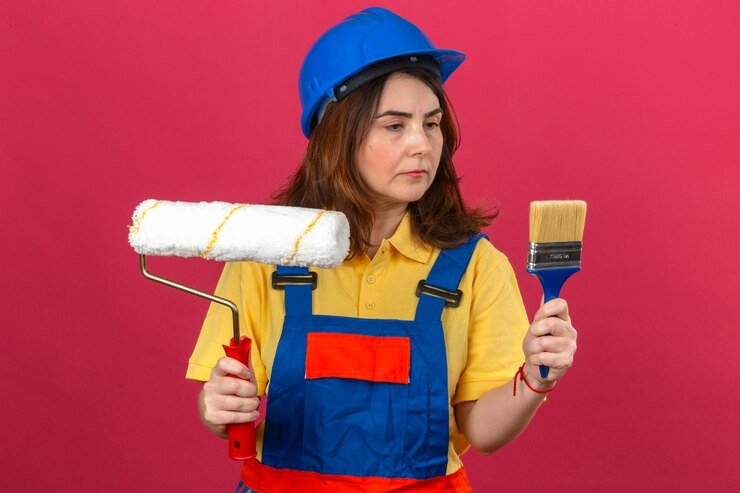
You will also want to have paint rollers on hand. The available types are sponge rollers, short pile rollers, medium pile rollers, and contoured rollers.
1.8 Putty and Fillers
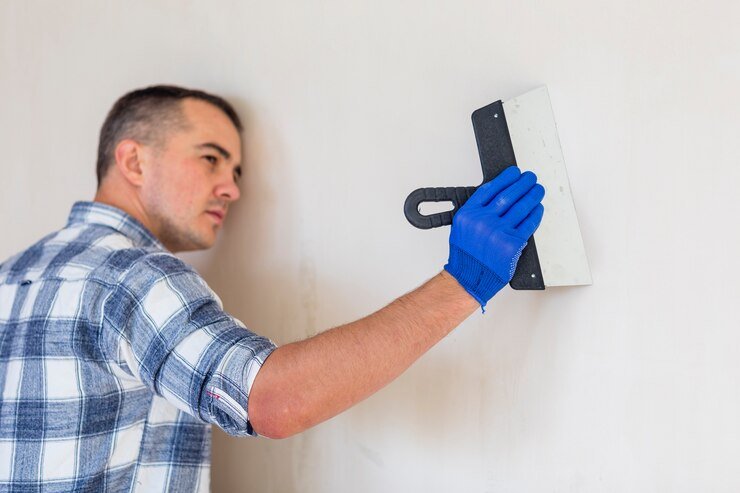
Putty and fillers are important for preparing surfaces for painting and staining, and you will need them all for your painting and decorating career:
Linseed Oil Putty
Linseed oil putty can be used to fill small holes and fixing glass in frames made of wood.
All-Purpose Putty
All-purpose putty is used for repairing window glass in both wood and metal windows.
Sand and Cement Filler
Sand and cement is used for deep holes in a wall that is plastered.
Plaster or Cellulose Based Filler
Plaster or cellulose filler is used for filling small holes, or fills the grain in wood. This might also be called all- purpose filler.
Plaster or Vinyl Based Filler
This is an interior filler that is very fine and quick to dry.
Cement or Vinyl Based Filler
This is for external work, and is usually a sand-based filler mixed with cement.
Two Pack Stopper
This is a filler that is mixed with a hardening agent, which makes it set very quickly. It is very strong and can
support fixings and screws.
Flexible Acrylic Filler
Flexible acrylic filler, or Decorator's Caulk, is applied with a caulk gun and fills gaps in small spaces, such as
corners.
1.9 Paste and Adhesive
You must have some type of adhesive to apply wallpaper, but there are different types depending on the type of wallpaper you hang:
All Purpose Paste
This is the most common type of paste, and the strength can be adjusted based on how much is mixed. It can hold
wallpaper, vinyl, and polystyrene.
PVA and Acrylic Adhesive
Another type of paste is an acrylic adhesive. This is appropriate for heavier wallpaper, such as vinyl, grass cloth,
Hessian, or fabric.
Overlap Adhesive
This is a strong resin glue for bonding one vinyl covering to another. It is also used for keeping seams down in
areas with high moisture.
1.10 Sealers and Primers

Preparing the surfaces for painting is an extremely important step in painting and decorating. Below is a brief overview, but more information is available later in this course:
Waterproof Sealer
Sealers are important for painters and decorators, and they are usually made of latex or silicone. These are tinted
for filling around washbasins and baths.
Knotting Solution Primer
This type of primer is used to stop the discolouration and staining of knots in soft wood. This is a very quick drying primer, and is ideal for both interior and exterior surfaces. This comes in different colours.
Acrylic Primer Undercoat
This type of paint is as thin as water, and it fills the function of both undercoat and primer. This is a water-based material, so it is easy to clean up and it is affordable. This is for both interior and exterior surfaces, including hardboard, woodwork, plaster, fibre insulating board, and chipboard.
Wood Primer
This is a general purpose primer for both interior and exterior use. It is thin and not only prepares the wood for painting, it also gives good adhesion for the paint to stick to. You can use this on all types of interior and exterior
wood.
Aluminium Wood Primer
One would use aluminium wood primer on surfaces that are likely to bleed, such as Oregon pine, Columbian pine, Gurgon, Afromosia, and Iroko. You can also use this primer to seal surfaces that were previously treated with bitumen or coal-tar.
Alkali-Resisting Primer
This is a primer that is specifically designed for surfaces that are alkaline in nature. This is a thin, clean white material and can be used on any alkaline material. It is a good primer for surfaces that have been coated with fire retardant chemicals or sealing stains.
Stabilising Primer
Also known as stabilising solution, this is a solvent that is used to seal areas that are chalky or powdery, such as cement-based walls and ceilings.
Zinc Phosphate Primer
This is a metal primer that has a special property to inhibit the development of rust. You can use this primer on
steel, iron, or any other non-ferrous metals.
Zinc Rich Epoxy Primer
This is a special primer that is created from zinc dust for the protection of steel that has been cold galvanised. With this primer, instead of the steel corroding, the primer corrodes. It is excellent for water resistance, and is commonly used for marine applications.
1.11 Paints and Finishes
As a painter, you will obviously require paint for your work. However, it might surprise you to find out that there are many different types of paint. A few are described below, and more information is available later in this course:
Undercoat Paint
This type of paint is applied to provide a foundation for actual paint to be applied upon. It is important that the undercoat is matched to the gloss coat.
Gloss Finish
This is an interior or exterior paint that gives a full gloss finish. It is a traditional solvent that is used on wood, plaster, metal, brickwork, or concrete. You can even use it on surfaces, such as radiators and hot water pipes. Eggshell/Satin Finish This finish is a water-based paint that is used to prime previously primed or painted metal, wood, walls, or ceilings. It dried to a slightly sheened finish, and it does not require an undercoat. It also resists heat and steam.
This is also known as trade matt, contract matt, super matt, or jonmat. Most manufacturers have their own brand of matt emulsion paint. This paint is not extremely durable, but appropriate in many situations.
Vinyl Matt Emulsion Paint
This is an interior paint that is water-based and used for ceilings and walls. It dries to a flat finish. It has excellent opacity, which will hide marks, and is washable. It is also quick drying, low odour, and good for sealing.
Vinyl Silk Emulsion
Vinyl silk emulsion is similar to vinyl matt emulsion, but it dries to an eggshell sheen and does not have as much opacity. It is used on both interior ceilings and walls.
Masonry Paint
This is a water based, quick drying paint that dries with either a smooth or textured finish. It is excellent for exterior walls and brickwork, but not appropriate for timber.
Oil Based Paint
Oil based paint is ideal for exterior use, primarily on sealed or primed surfaces. You can also use it in interiors when painting plaster, concrete, brick, cement, or metals.
Bituminous Paint
Bituminous paint is a black material that is used for protecting concrete and steel. It is used to provide a film that is weather-resistant, and often applied to roofs, storage tanks, bridges, gutters, pipes, and piers.
1.12 Wood Stain and Varnish

When working with wood, you must apply stain or varnish to not only protect it, but also to enhance or change the colour. More information about wood stain and varnish is available later in the course, but here is a brief overview:
Dye Stain
This is a coloured, yet transparent solution to change or enhance the colour of wood. Keep in mind, stain only changes the colour, it does not finish nor protect the wood.
Varnish
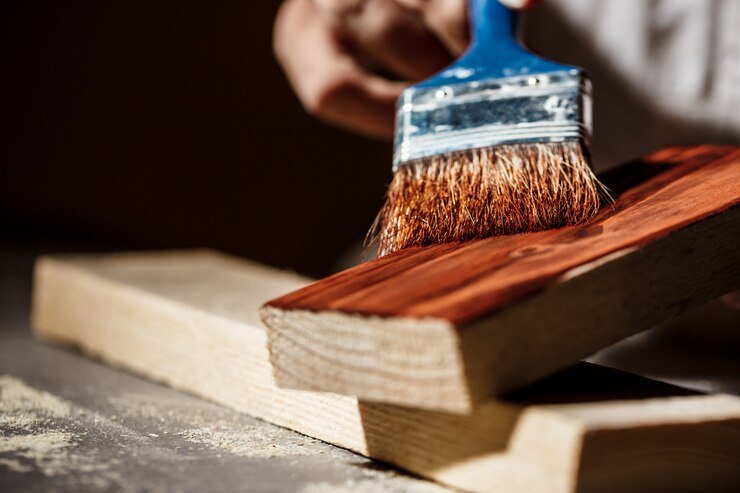
Varnish is a product that is applied to protect the wood. There are many different types of varnish on the market, including interior or exterior, water and oil based, clear or coloured, and matt or eggshell gloss.
Module Summary
This first module introduced you to the world of painting and decorating. You learned about what a person in the painting and decorating industry might do throughout their career, and what might be expected from their clients. Additionally, you learned about the advantages and disadvantages of this career path. The module also explored the skills and qualifications that are required for someone who wishes to enter into this career, and explains some of the courses that are available to help one advance their skills.
This module also introduced many of the tools and equipment that you will need to be a success in the painting and decorating industry. Several small tools were introduced, as well as the supplies that you will require for both painting and wallpapering, such as brushes and application products required for hanging wallpaper. In addition, you were also introduced to some of the most common stains, adhesives, putties, fillers, paints and varnishes that are on the market. Keep in mind that this was just an introduction and more information is available on these materials in later modules.
As you have finished this module, you are prepared to move on and learn more about the painting and decorating field, and now have the knowledge to get into more technical concepts associated with the painting and decorating industry. The next module, however, will first focus on the health and safety considerations that you must consider as a professional in the painting and decorating field.
.svg)



