
There are lots of resources available to support us to carry out good, robust risk assessments.

Looking on different websites for case studies about risk assessment is always recommended because it gives you a better understanding of other factors to consider. It is important that anyone writing a risk assessment needs to be appropriately trained and signed off as competent.

It is important to involve everyone in the creation of risk assessments because this will help us to gather the information we need to manage any identified risks.
If you work in a residential care setting, you need to make sure that you discuss the risk assessment and how these are managed (ie the management plan) with the staff team working both day and night shifts to ensure all aspects are taken into account. There may be different risks and hazards for staff working night shifts.

If you work in the community, the different workers who visit an individual (ie to provide the individual with care and support) should be involved to make sure that everyone’s knowledge and experience informs the risk assessment. It is important to be aware of any alternatives which could be an effective control.
For example, you may work with an individual who is at risk of choking on solid or even liquid medication. Knowing that an alternative medication patch is available will reduce the risk.
You can download these Unison documents which provide helpful information about carrying out risk assessments:
Risk assessment checklist for safety reps.
Risk assessments for black, disabled and other vulnerable workers.
This HSE case study about the use of a hoist on a carpet is a useful reminder about ‘thinking outside of the box’.
Case study.
This is an example of a risk assessment carried out for the preparation of food.
Food preparation.

These are just some examples of how risk assessment templates are laid out. They are designed to you understand visually, how high or low the risks might be.
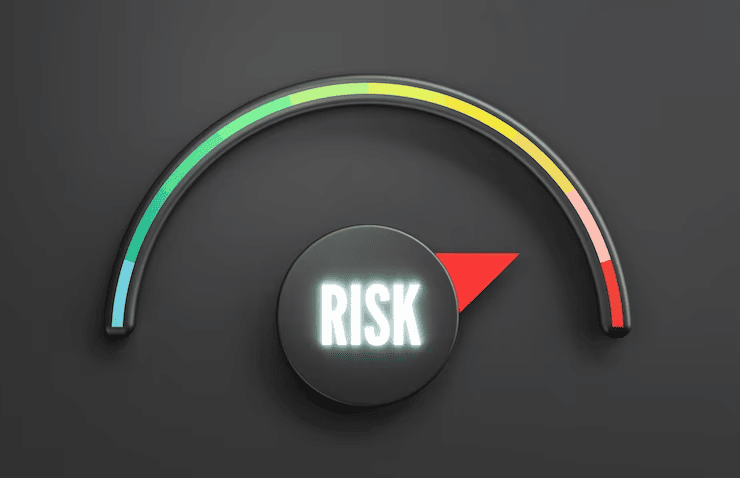
Lots of workplaces have templates to help to identify the likelihood and severity of an incident or accident. Robust recording and appropriate controls should also be in place. It is usually possible to reduce the overall risk to a level where the activity can be carried out in the safest possible way.
Some templates will have scores on them which will indicate a particular course of action which will need to be recorded.

Conducting informal risk assessments in your day to day work…

Whether we realise it or not, we carry out informal risk assessments every day.
This might involve…
Flip the cards below…
It is mainly about using our own common sense. It is not just about identifying the hazard, it is about doing something about the identified hazard.
For example, you might see that a piece of carpet is over-stretched and is becoming dangerous to walk on or that a door handle is loose. If left without being addressed, these two examples could result in a trip or fall or someone not being able to get in or out of their room. It is important that any hazards you become aware of are recorded and action is taken.

Meeting with and discussing any concerns with your colleagues is a good place to start.
Looking at existing risk assessments will also give you an idea of whether the documentation is up to date and fit for purpose.
Using risk assessment templates ensures consistency.
This will help everyone to become familiar with these documents and how to read them easily. Making sure that you have a simple to understand risk assessment template and guidance on the steps to take, will always help to ensure the safest outcome for the people we support.
.svg)



