
Referrals
There are lots of ways of getting help for mental illness. We are all talking about it much more and people are becoming more able to seek help.
For many people, the first stop is their GP who can…
Community mental health teams (CMHT) are usually based at a hospital or mental health centre.
Their job is to coordinate and provide support for people with mental health issues. These can also be in the form of crisis teams which offer 24 hour support that can help people get into hospital quickly if they need it. CMHT is made up of various professionals including psychiatrists, community psychiatric nurses, occupational therapists and social workers.

For people experiencing extreme symptoms of mental health problems, there are crisis lines run by the NHS.
People can also go to A and E or call emergency services. Sometimes people may need to go into hospital for treatment. Other options include going to a private therapist, contacting a charity like MIND or a crisis line like The Samaritans. The NHS also runs a self referral scheme for talking therapies.
Different treatments and therapies
There are a number or treatments and therapies for people.
Quite often these are done together. For example, someone with anxiety may need to take some medication to help them manage the symptoms. At the same time, they may have talking therapy to help them manage the causes and the symptoms long term.

1. Cognitive behavioural therapy (CBT)
CBT is a talking therapy. It is one of the most common treatments for a range of mental health problems.
The aim of CBT is to help explore and change how someone thinks about their life and free them from unhelpful patterns of behaviour.
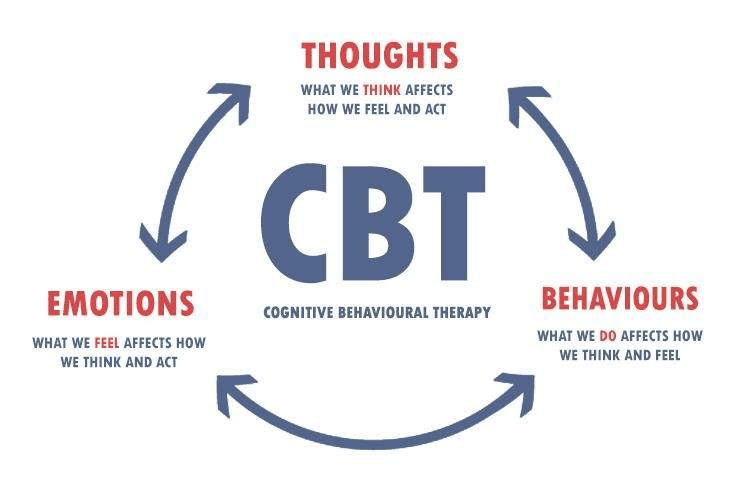
During CBT the focus is on thoughts, feelings and behaviours.
It involves a number of sessions with a therapist and the person sets goals and carries out tasks.

For example, if someone THINKS they are going to make a mistake or not able to answer questions at a meeting because they feel they are not good enough, they may BEHAVE by cancelling the meeting.
This will make them FEEL like a failure and create more negative thoughts about themselves.
CBT is about breaking that cycle.
CBT has been shown to work for a variety of mental health problems.

CBT is available through the NHS.
It usually takes the form of 1-1 sessions with a therapist or guided self help. There are self help books and online courses based on CBT to help people overcome common problems like depression. Guided self help involves working through a CBT based workbook or online course with the support of a therapist.
2. Counselling

Counselling is a talking therapy where a person talks in confidence to a trained therapist.
Flip the cards to see the methods that can be used for counselling…
People are often referred to a counsellor if they…

Counselling for depression has been specially developed to help people understand the underlying causes.
It is usually offered to people who have mild to moderate depression and have already tried other therapies, such as guided self-help.
3. Behavioural activation
The aim of behavioural activation is to give someone the motivation to make small, positive changes in their life.
People also learn problem-solving skills to help them tackle problems that are affecting their mood.
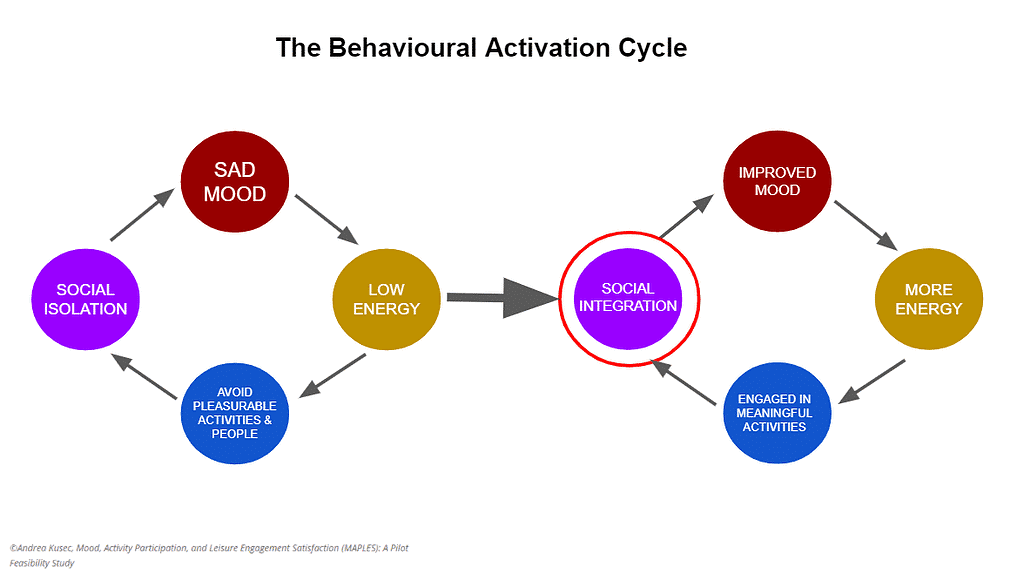
Behavioural activation is used to treat depressive illnesses.
It is designed to increase contact with positive and rewarding activities which in turn have an affect on mood. It may be offered one-to-one or in a group with regular meetings or phone calls with a therapist.
4. Interpersonal therapy (IPT)
IPT is a talking treatment that helps people with depression identify and address problems in their relationships with family, partners and friends.
As we know, poor relationships with people can leave them feeling depressed. Depression can in turn make relationships with other people worse and so it continues.

IPT has been proven to be effective for the treatment of depression in clinical research trials.
The UK National Institute for Health and Clinical Excellence (NICE) states that IPT may be considered as an alternative to cognitive behaviour therapy (CBT) for the treatment of moderate to severe depression. NICE also states that IPT be considered in the psychological treatment of eating disorders such as anorexia nervosa and persistent binge eating disorder, as well as an alternative to CBT in bulimia nervosa.
5. Eye movement desensitisation and reprocessing (EMDR)
EMDR is a talking therapy that has been developed to help people who have post-traumatic stress disorder (PTSD).
As we have seen, people who have PTSD can experience intrusive thoughts, memories, nightmares or flashbacks of traumatic events in their past.
EMDR helps the brain reprocess memories of the traumatic event so they can be let go.
It involves recalling the traumatic incident in detail while making eye movements, usually by following the movement of the therapist’s finger. This is a powerful therapy that requires a properly trained therapist and a thorough assessment process but it has been found to be very effective for the following issues…

6. Mindfulness-based cognitive therapy (MBCT)

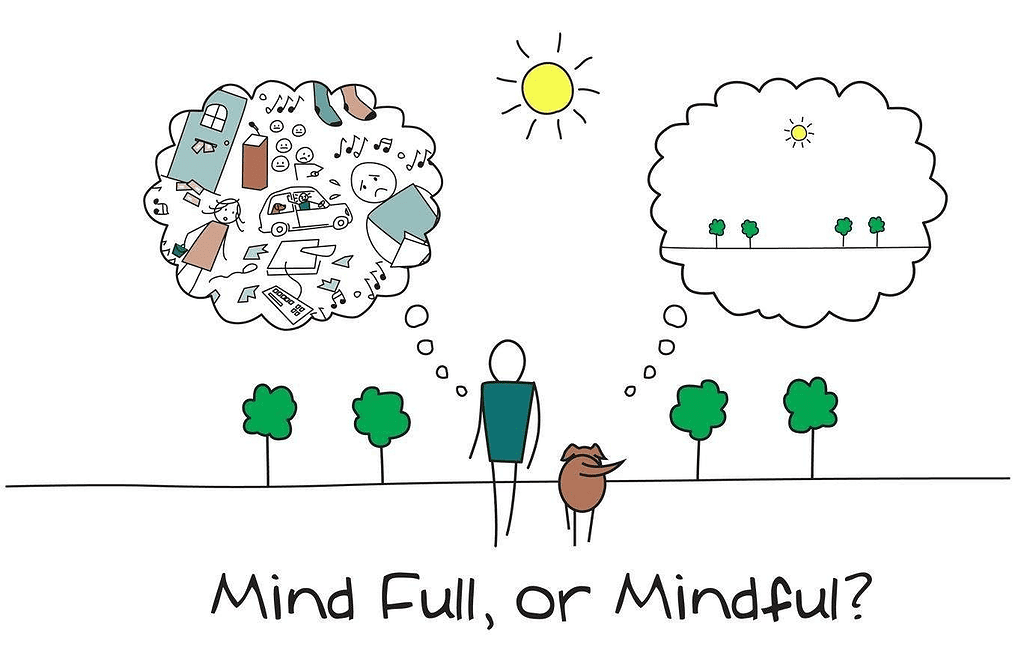
Mindfulness-based therapies help people focus on thoughts and feelings as they happen moment by moment.
MBCT combines mindfulness techniques like meditation and breathing exercises with cognitive therapy. It was designed specifically for people who suffer from repeated bouts of depression to stop the depression coming back. It is particularly helpful for people with anxiety disorders, bipolar, depression and low moods.
7. Therapeutic activities (such as art therapy, complementary therapies)
The National Institute for Health and Care Excellence (NICE) recommend that arts therapies are considered for everyone who has psychosis or schizophrenia, including related conditions such as schizoaffective disorder.
Open the tabs below to read about available therapies…
Complementary and alternative therapies

Complementary and alternative therapies can be used as a treatment for both physical and mental health problems.
They can help to reduce feelings of depression and anxiety. Some people also find they can help with sleep problems, relaxation and feelings of stress.
There are plenty of complementary therapy options available.
Expand the sections below to see some of the more common ones used to help people who have mental health problems…
Medication – types and common side effects

There are 4 main types of medication used for the treatment of mental health problems. These are:
- Antidepressants
- Antipsychotics
- Sleeping pills and minor tranquillisers
- Lithium and other mood stabilisers.
Open the tabs to look at these in more detail…
Support networks
People who suffer from mental health problems need support around them to get well, and to stay well.
This support will help reduce the isolation and loneliness that can come from having a mental illness. Support can come in different forms including from:
- Friends and family
- Self help groups both online and in person
- Charities and organisations, such as Anxiety UK and MIND, provide fantastic information on all aspects of treatment, support and understanding mental illness.

Carers of people who have mental health problems also need support as the stress and worry of a loved one being unwell can also make the carer unwell.
There are a number of groups who support carers in much the same way as there are groups for the person suffering the illness.
The charities mentioned previously also help carers and websites like the hub of hope will help people find support locally.
.svg)



