
So what causes mental health problems?

Quite often it is a combination of things that cause mental ill health. No two people or situations are ever the same.
Common causes include the following…
1. Social Causes
Social factors play a huge part in people’s mental wellbeing.
Poverty, deprivation, homelessness and poor housing have been found to directly contribute to mental ill health.

Insecure, poor quality and overcrowded housing causing stress, anxiety and depression exacerbates existing mental health conditions.
19% of adults living in poor quality housing in England have poor mental health outcomes.
Source: www.gov.uk
People who are unemployed are between 4 and 10 times more likely to report anxiety and depression and to die through suicide.
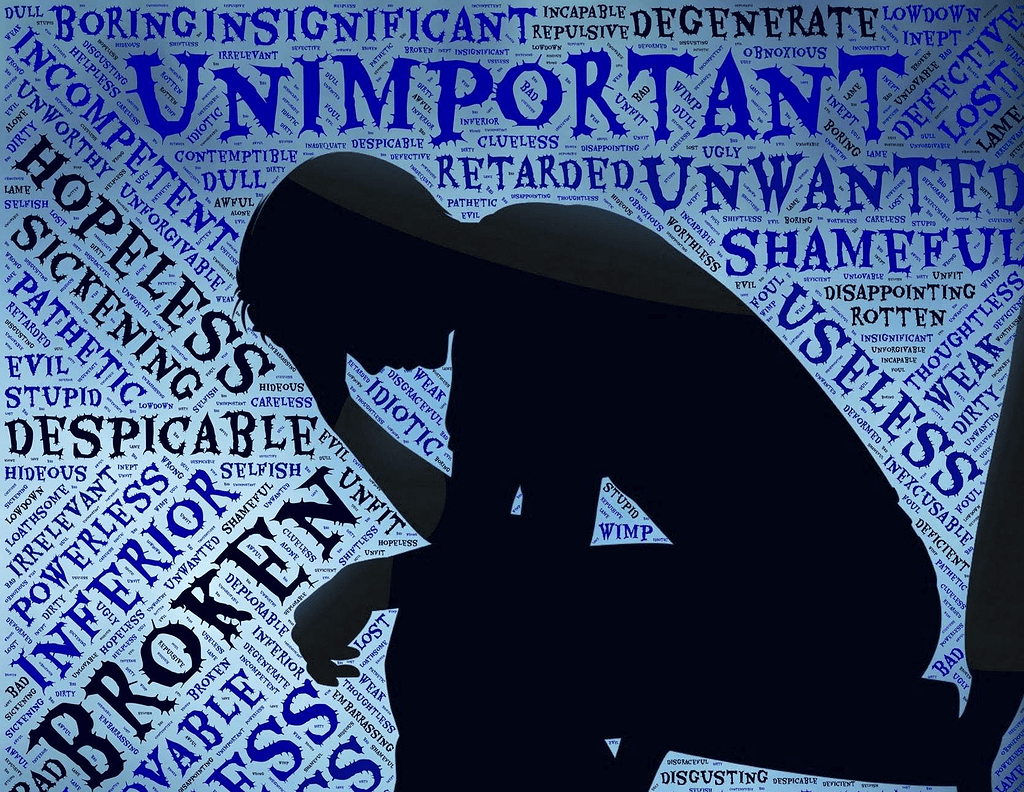
Financial worries…
Caused by losing a job, being a long term and full time carer for someone with a disability, being in debt or on a low income, can contribute to mental health problems.
Social isolation or loneliness has been associated with an increased chance of suffering from anxiety, depression, sleep problems and stress. Having a mental health problem can increase the feeling of loneliness and isolation due to stigma, or feeling unable to talk to anyone about feelings.

2. Experiencing discrimination and stigma

Click on the tab to learn more…
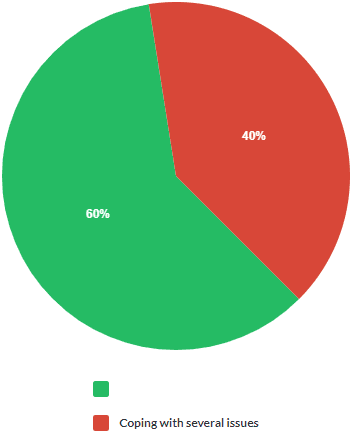
Around 40% of people in England who have to cope with several issues at once, including homelessness, substance misuse and contact with the criminal justice system in any given year, also have a mental health problem.
Issues such as discrimination, hate crime and feeling isolated all have an affect on these groups.
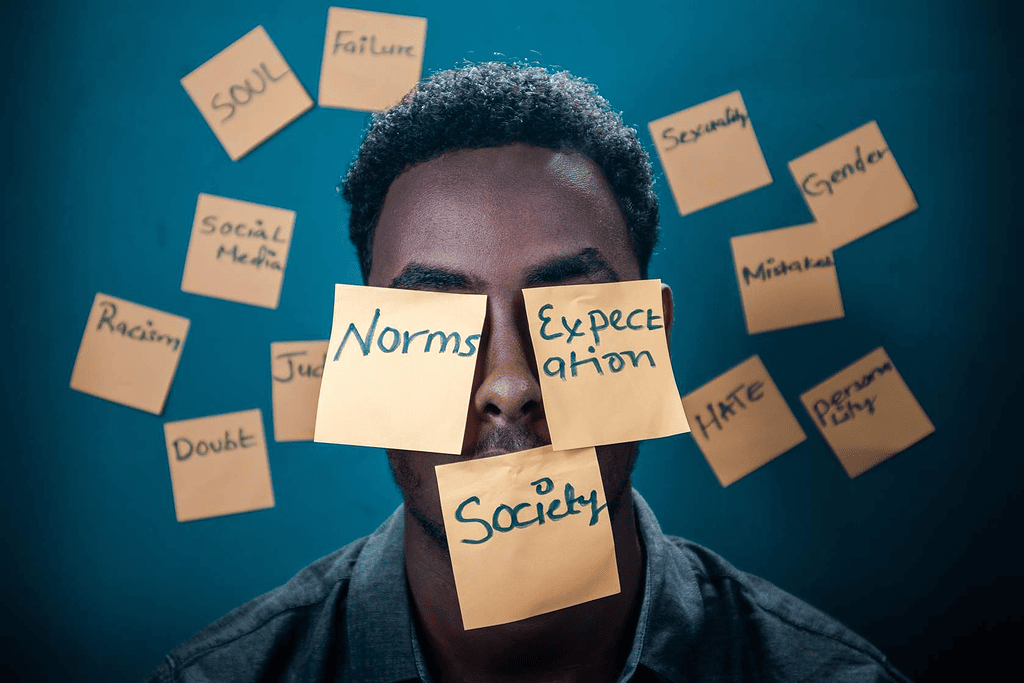
The stigma surrounding mental health and inequalities in education and health care can add to these problems.
3. Relationship difficulties as a cause
Evidence suggests that people in troubled relationships are three times as likely to experience depression.

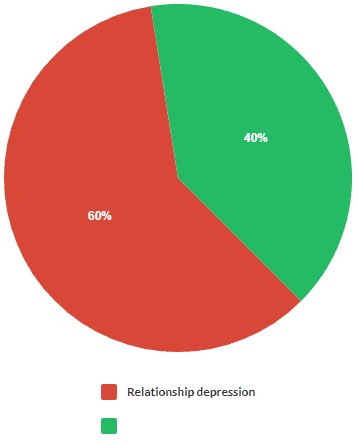
Research states that over 60% of people suffering from depression consider relationship problems to be the main cause of their illness.
A study carried out by the University of London found that children, whose parents separate (when the child is aged between 7 and 14) are 16% more likely to experience behavioural issues and emotional problems, such as anxiety and depression, than those whose parents stay together.

Living in a home where there is domestic violence can also have a significant impact on children’s mental health.
Domestic violence is associated with depression, anxiety, PTSD and substance abuse.

A 2015 survey of children attending child and adolescent mental health services found that family relationship problems were the single biggest problem.
Feelings of unhappiness, fear, isolation and neglect can all happen in bad relationships and these can lead to mental health problems.
4. Stress as a cause
Stress is described as a reaction to mental or emotional pressure.
It is often related to feeling like you are losing control over something. Sometimes there is no obvious cause. Some stress can be positive and people can thrive on it, however, too much stress can overwhelm people.
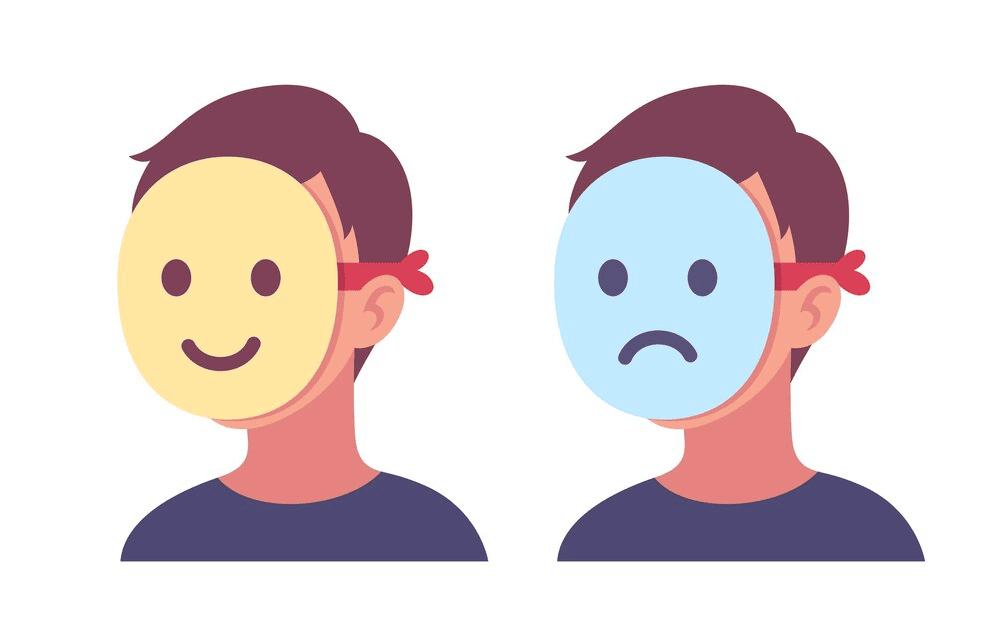
Many different situations or life events can cause stress.
These include bereavement, divorce or separation, losing a job, or unexpected money problems. Work-related stress can also have a negative impact on mental health. People affected by work-related stress take an average of 24 days off work a year.
Positive events, such as moving to a bigger house, getting a job promotion, going on holiday or even festive celebrations can be sources of stress.
Having a mental health problem can also cause stress.
People can find coping with the day-to-day symptoms of their mental health problem and having to organise and undergo treatment, often adds even more pressure to them.
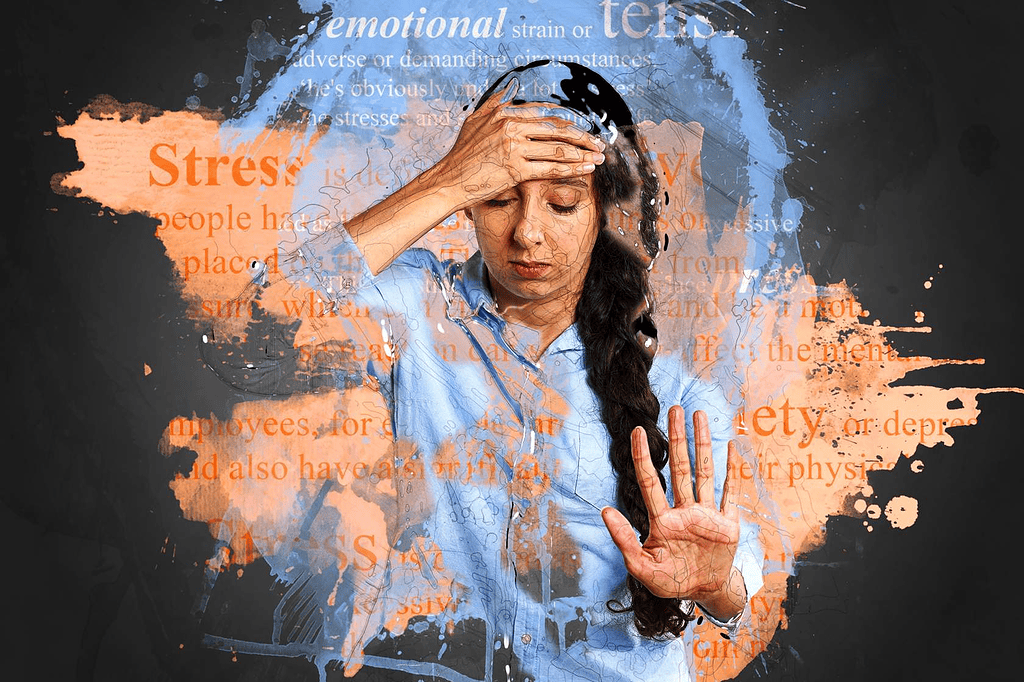
When we are under stress, our bodies produce stress hormones that trigger a fight or flight response which activates our immune system. This is designed to help us to respond quickly to dangerous situations.
Whilst this is positive, too much stress can leave someone in a permanent state of fight or flight.
Long term, this can have a negative affect on both physical and mental health. As time passes, the types of challenges we are dealing with as human beings have changed, and they continue to change.
People suffering from too much stress may feel:
Flip the images…
This can lead to…
Flip the images…
Let’s look at the physical signs of stress.
Have a guess what the physical signs might be from the image, then flip the image to see if you got it right…
If the stress is long-lasting, sleep and memory are affected. Eating habits may also change.
Some research has also linked long-term stress to gastrointestinal conditions like Irritable Bowel Syndrome (IBS) or stomach ulcers, as well as conditions like cardiovascular disease.

Did you get the praying mantis reference on the card relating to experiencing sexual problems?
Experiencing sexual problems is no laughing matter and is very serious. However, it always makes me think about the praying mantis’ behaviour which is quite extraordinary and deadly.
Essentially, the adult female eats the male after, or sometimes during, the mating process, for nutrition.
Thank goodness we are human beings!
5. Trauma as a cause
Around 1 in 3 adults in England report having experienced at least one traumatic event in their lives.
Click on the red markers below to see what traumatic events can include…
Also, any situation where someone feels…
Flip the cards…
Traumatic events cause a stress response.
Studies have shown that the stress signals can continue long after the traumatic event is over. People can suffer from depression, anxiety, panic attacks, sleep disturbances and low self esteem as a result of trauma. This can lead to experiencing things like self harm, alcohol and substance misuse, and suicidal thoughts.
6. Organic and neurological causes
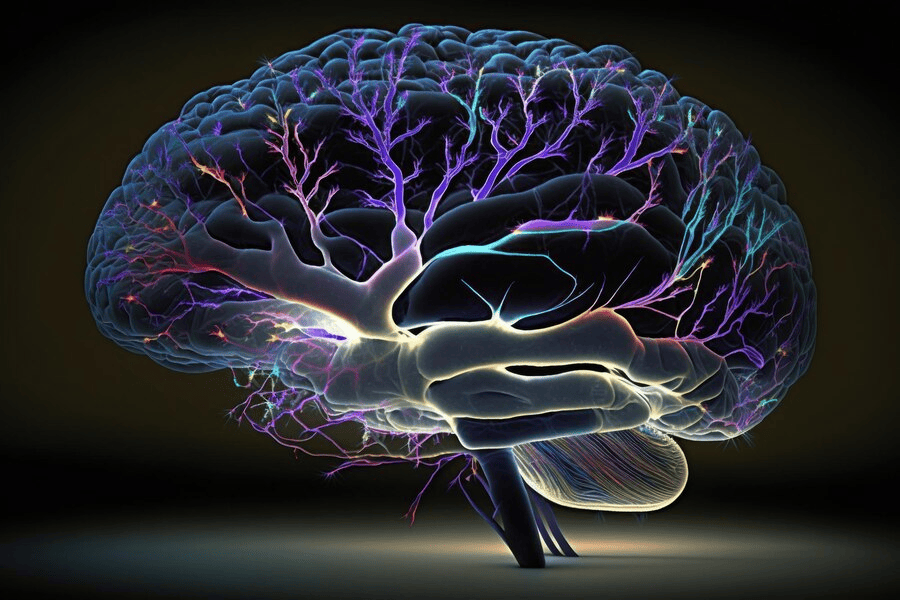
Changes in the brain and the way it works can cause a range of mental health problems.
Changes can be caused by injury or disease affecting brain tissues as well as by chemical or hormonal abnormalities. Expand the sections below to see what these may include…
We recommend you learn more about specific conditions if you are supporting people who have them.
Some research suggests that mental illness can run in families. This could be due to genetics or the environment or both.
Physical health problems significantly increase the risk of poor mental health and vice versa. Around 30% of all people with a long-term physical health condition also have a mental health problem, most commonly depression/anxiety.
– Source: The King’s Fund.
The impact of having mental ill health can cause additional problems. If these are not dealt with, it can make things even worse. This is sometimes referred to as a downward spiral.

.svg)



