

Blocklaying is a fundamental aspect of modern construction, offering a faster and more efficient way to build walls compared to traditional bricklaying. Concrete blocks are larger, lighter (in the case of aerated blocks), and provide excellent thermal and sound insulation. The Blocklaying Skills module equips learners with the techniques needed to handle, cut, and lay blocks accurately while maintaining structural integrity and alignment.
Understanding Block Types and Their Uses
Blocks come in various forms, each suited to different construction needs:
Dense Concrete Blocks – High strength, used for load-bearing walls and foundations.
Lightweight/Aerated Blocks – Easier to handle, better insulation, ideal for internal and external walls.
Cellular Blocks – Feature hollow cores to reduce weight while maintaining strength.
Insulated Blocks – Incorporate built-in thermal insulation for energy-efficient buildings.
Trainees learn to select the appropriate block type based on project requirements, ensuring compliance with building regulations.
Handling and Preparing Blocks

Unlike bricks, blocks are larger and require proper handling techniques to avoid strain or damage. Key skills include:
Safe Lifting and Carrying – Using correct posture and teamwork for heavier blocks.
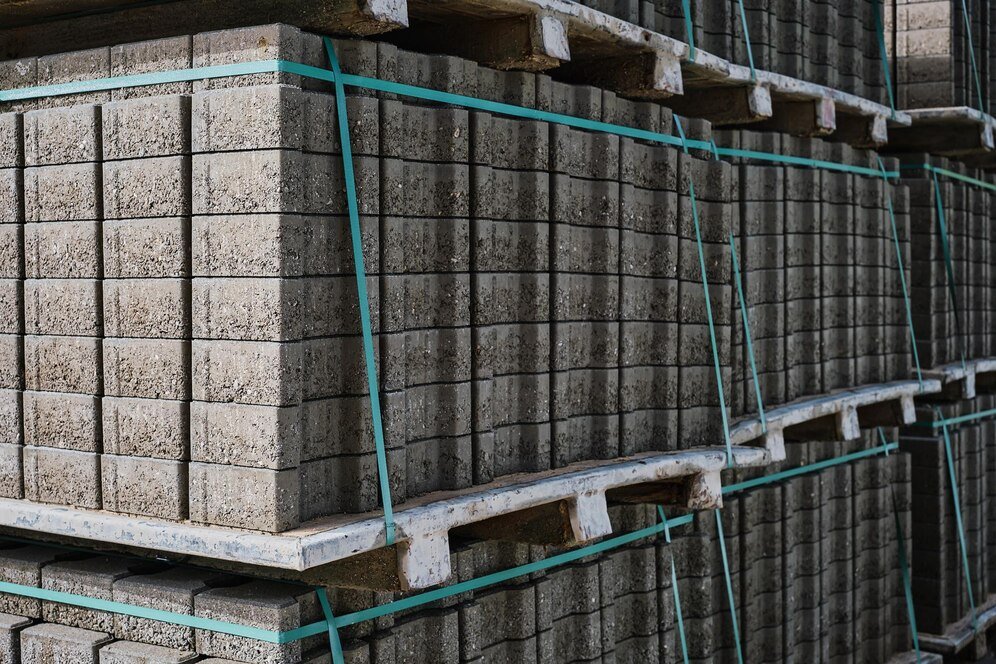
Storage and Protection – Keeping blocks dry and off the ground to prevent moisture damage.
Moisture Control – Lightly dampening aerated blocks before laying to prevent rapid mortar drying.
Laying Blocks to the Line
Blockwork must be level, plumb, and straight, just like brickwork, but adjustments differ due to the larger size:
Setting Out – Dry-laying the first course to check spacing and alignment.
Applying Mortar – Spreading a full bed joint (unlike brickwork, which may use "spot bedding").
Positioning Blocks – Lowering blocks gently onto the mortar bed and tapping with a club hammer or the edge of a trowel for alignment.
Checking Alignment – Using a spirit level and line pins to maintain straight courses.
Cutting and Shaping Blocks
Precise cutting is often needed for openings, corners, or utility installations:
Bolster and Club Hammer – For straight cuts on dense blocks.
Block Saw or Angle Grinder – For aerated or insulated blocks.
Chasing Blocks – Creating channels for electrical conduits or plumbing with a chasing tool.
Building Blockwork Structures
Common applications include:
Single-Leaf Walls – Solid walls for garages or boundary walls.
Cavity Walls – Combining blocks with insulation and ties for thermal efficiency.
Partition Walls – Non-load-bearing internal walls using lightweight blocks.
Joint Finishes and Reinforcement
Tooled Joints – Struck or recessed for durability.
Wall Ties and Bed Joint Reinforcement – Used in cavity walls to enhance stability.
Conclusion
Blocklaying is a versatile skill that speeds up construction while maintaining strength and efficiency. Mastery of handling, cutting, and aligning blocks ensures durable walls for residential, commercial, and industrial projects. These skills complement bricklaying, allowing tradespeople to adapt to diverse construction needs.
.svg)



