
Module 4: Specialty Fenestration Installations

1. Large-Format & Structural Glazing
Overview
Large glass installations (e.g., curtain walls, storefronts, glass walls) require specialized engineering due to weight, wind loads, and thermal movement.
Key Considerations
Framing Systems:
Aluminum mullions (most common) with thermal breaks.
Silicone structural glazing (SSG) – Glass bonded directly to frames without mechanical clips.
Load Distribution:
Requires reinforced headers and support structures.
Wind load calculations per ASTM E1300.
Installation Process:
Pre-installation survey – Verify structural capacity.
Pre-assembled units – Craned into place for efficiency.
Gasket & sealant systems – Accommodate thermal expansion.
Common Challenges
Glass deflection causing sealant failure.
Improper shimming leading to stress fractures.
2. Impact-Resistant & Hurricane-Rated Windows/Doors
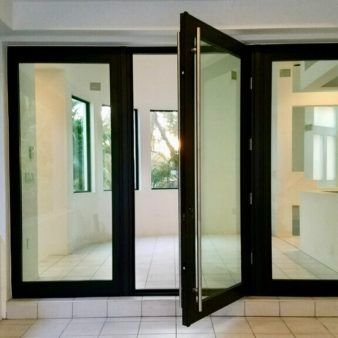
Overview
Designed to withstand debris impact (per ASTM E1886) and cyclic wind pressure (per ASTM E1996). Common in coastal zones (Florida Building Code, IBHS standards).
Key Features
Laminated Glass – PVB interlayer holds shattered glass in place.
Reinforced Frames – Heavy-duty aluminum or steel with multi-point locking.
Pressure Ratings – Classified as:
Small Missile (D) – Resists 9-lb 2x4 at 34 mph.
Large Missile (E) – Resists 6.5-lb 2x4 at 50 mph.
Installation Requirements
Anchoring:
Through-bolting (not just screws) into structural framing.
Minimum fastener spacing (e.g., 12" o.c. for Miami-Dade County).
Sealing:
High-strength silicone (e.g., Dow 795) at perimeter.
Testing Marks:
Must display Miami-Dade NOA or Texas Department of Insurance (TDI) approval.
Common Mistakes
Using non-rated fasteners (must be 304/316 stainless steel).
Omitting pressure-equalized drainage behind frames.
3. Skylight & Roof Window Installation
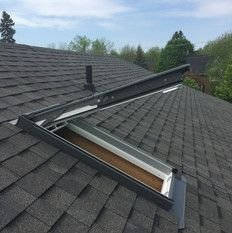
Overview
Skylights introduce unique challenges due to roof pitch, flashing, and condensation risks.
Types
Fixed – No ventilation, maximum light.
Vented – Operable for airflow (manual or electric).
Tubular – Small-diameter, reflective tunnels for tight spaces.
Critical Installation Steps
Roof Pitch Compatibility – Must match manufacturer specs (e.g., 3:12 min. for curb-mounted).
Flashing Integration:
Step flashing (asphalt shingle roofs).
Counter-flashing (metal roofs).
Condensation Control:
Thermal breaks in frames.
Interior condensation channels.
Ice Dam Protection (Cold Climates):
Install above roof deck (not in valley).
Code Requirements (IRC R308.6)
Impact-resistant if < 16" above roof (prevents hail damage).
Safety glazing if within 24" of walking surfaces.
4. Egress Window Compliance (IRC R310)

Overview
Egress windows provide emergency exits in basements and bedrooms. Required for all sleeping rooms (IRC 2018+).
Key Specifications
Minimum Opening Size:
5.7 sq. ft. (grade floor) / 5.0 sq. ft. (basement).
20" min. width × 24" min. height.
Maximum Sill Height: 44" above floor.
Window Well Requirements (if below grade):
9 sq. ft. area (36" min. width).
Ladder/steps if > 44" deep.
Installation Notes
Retrofit Challenges:
Cutting concrete foundations requires engineered reinforcements.
Well drainage (gravel base + drain pipe).
Operability:
Must open without tools or special knowledge.
Key Takeaways
✔ Large glazing needs structural support and expansion joints.
✔ Hurricane-rated units require tested systems—never improvise.
✔ Skylights must align with roof slope and have proper flashing.
✔ Egress windows are non-negotiable for life safety—follow IRC R310 strictly.
.svg)



