
6.1 Introduction
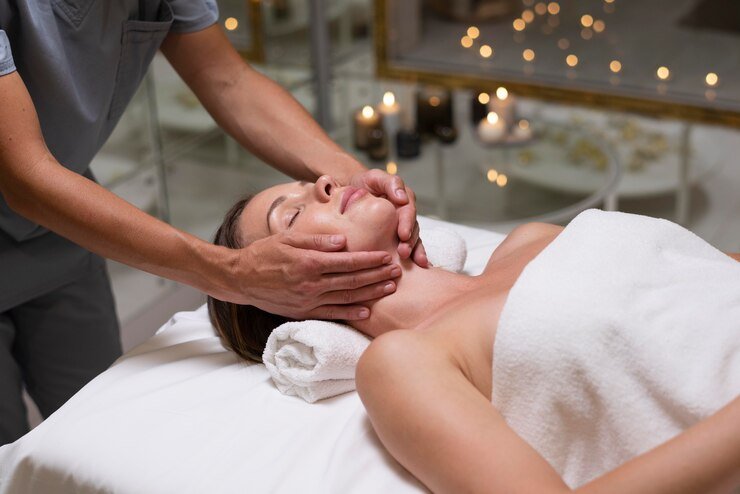
In this module, we will be examining the techniques of a facial massage. The video demonstration gives an excellent understanding of the massage techniques; therefore, in the theory section, we will look at the types of massage, the benefits of massage and the types of suitable massage media.
6.2 What Is a Facial Massage?
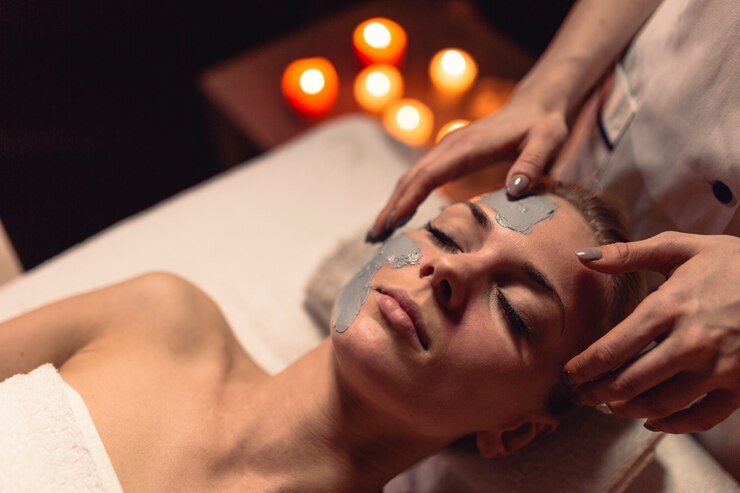
Facial massage involves the use of the hands or, occasionally, a massage tool, to massage the skin of the face and gently tone the muscles underneath the skin. This relaxing technique relaxes the muscles, reduces wrinkles, increases circulation and gives theskin a healthy, even colour. Facial massage can be performed safely for a few minutes every day at home, but a professional massage is recommended every three to four weeks. This ties in with the cycle of skin renewal.
6.3 The Massage Medium
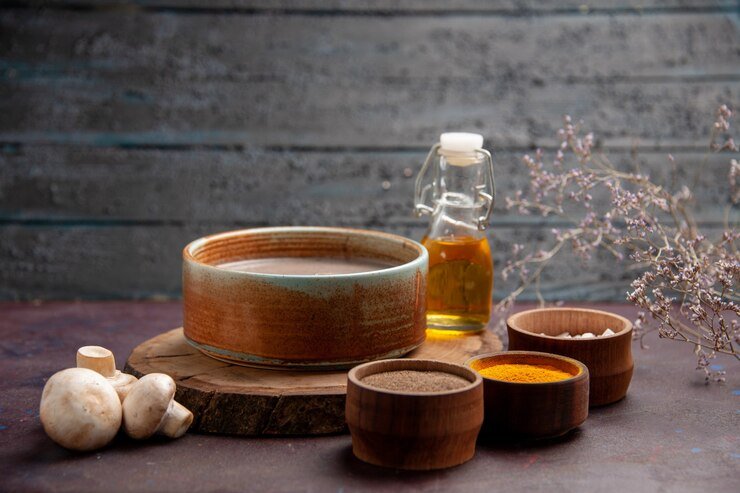
The massage media are the lubricants that reduce friction and drag on the skin and allow the therapist's hands to move smoothly.
Massage Oils
These are usually made up of a base oil and added essential oils. This is the most common medium for facial massage.
The main base oils for massage include:
Jojoba oil: a liquid wax, which resembles the sebum produced by the skin; it helps control acne
Grapeseed oil: high in linoleic acid; it is a wonderful scavenger of free radicals, which cause ageing, and is a very delicate oil
Wheat germ oil: high in vitamin E, which works nicely on stretch marks, scarring and sun damage
Almond oil: very rich and nurturing and is particularly beneficial for mature skin
The following oils are particularly suitable for certain skin types:
Dry skin: almond and argan
Oily skin: grapeseed and Jojoba
Sensitive skin: aloe vera and chamomile in grapeseed
Normal skin: almond and argan
Acneic skin: rosehip and tea tree
Massage Creams
These are usually heavier than oils and tend to be greasy, but they absorb quickly and are good for very dry skin. Massage Powders
A natural powder is great for clients who have very oily skin, who have a lot of facial hair or who hate the feel of an oil. The powder allows for deeper massage and stops the hair from getting tangled.
6.4 Types of Facial Massage
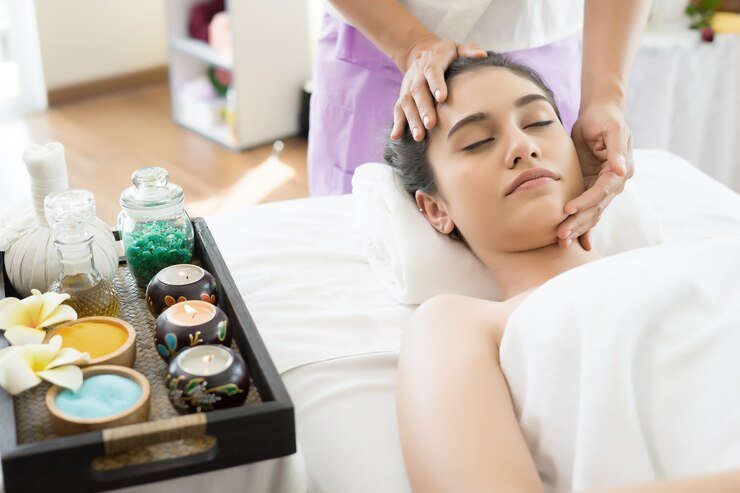
There are a great number of facial massage techniques. Here are some of the more common ones:
Classic face massage uses techniques which are demonstrated in the video: effleurage, butterflying, rolling and knuckling relax the client, tone the muscles and help produce collagen, to plump up the skin
Shiatsu massage is a Chinese technique using acupressure to reduce wrinkles and tone facial muscles
Kobido massage is an ancient Japanese technique, which uses 47 techniques on the 16 facial muscles; it is deeply toning and relaxing
Swedish massage is a massage technique, which improves circulation and oxygen levels in the blood
6.5 Massage Techniques
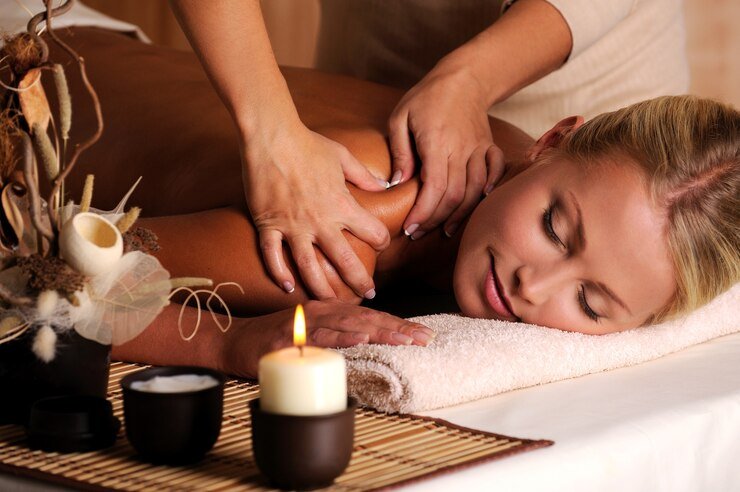
Effleurage - is a soothing stroking movement, using the palms, especially in Swedish massage
Butterflying - is a light, gentle touch, using just the fingertips; it's often used to massage babies
Petrissage - is a technique using scissoring, pinching, knuckling and kneading, to lift the facial tissues and stimulate the muscles and circulation
Pressure points - massaging the pressure points stimulates the body's natural healing systems and relaxes the whole body
Rolling - releases tension knots and relaxes the whole body
Jacquet pinching - is a rather uncomfortable technique that uses pinching, to get the circulation going and increase collagen levels
6.6 Benefits and Disadvantages of Facial Massage
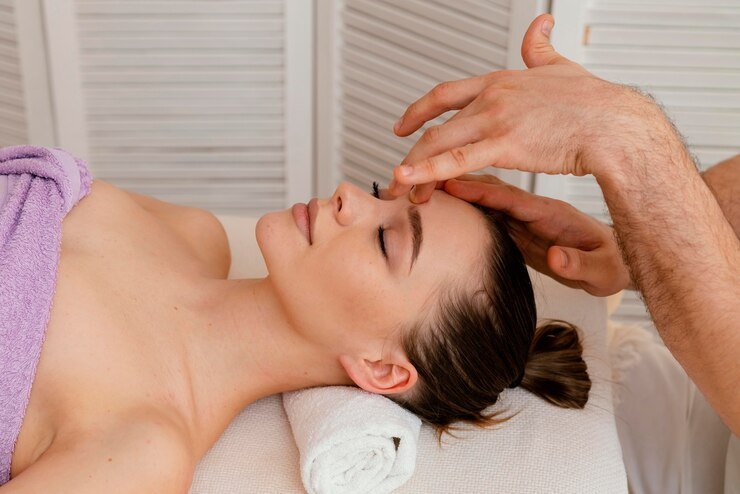
Benefits are:
Improves circulation by increasing the blood flow under the skin — this adds colour and
radiance to the skin
Relieves stress by stimulating the parasympathetic nervous system
Removes toxins by moving the lymphatic fluid, which will stimulate the flow of waste materials from the system
Reduces the appearance of ageing by relaxing the muscles that cause wrinkles and increasing collagen production; collagen is a protein that keeps the skin firm and plump
Reduces sinus pressure and pain by stimulating sinus drainage
Acne may be reduced by increasing the blood flow to remove toxins, but this is not definitive
Relaxes and soothes the jaw and gets rid of tension that is caused by tooth clenching or grinding
Radiant glowing skin results from improving the muscle tone and circulation Can reduce and break down scarring
Exercises the facial muscles, evens out skin tone, clears out pores and reduces puffiness
The disadvantages of facial massage
While there are no real disadvantages to correctly executed facial massage, poor quality massage or an unqualified therapist could cause bruising, pain or sagging skin. A good facial skincare therapist can offer a wonderfully relaxing and therapeutic experience, to enhance their client's facial treatment.
Assignment
The Techniques and Benefits of a Facial Massage
Estimated time: 30+ minutes
Work your way through this worksheet to see how well you have really done in absorbing the relevant information.
SUMMARY
The video demonstration provided an excellent understanding of the massage techniques In the theory section, we will looked at the types of massage, the benefits of massage and the types of suitable massage media. The module also included the different massage mediums, massage techniques. In Module 7, we will examine the application of masks, toner, serum, eye cream and moisturiser.
.svg)



