
2.1 Facial Bone and Muscle Structure
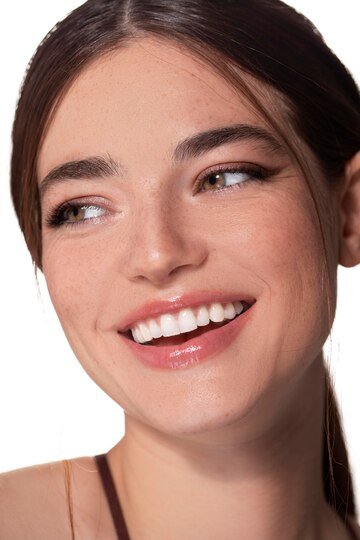
The therapist needs to understand the bones and muscles of the face. They provide the framework for the facial skin and offer many clues as to why or how the client's
face is ageing in the way that it is. The bones of the face consist of 14 facial bones and 8 cranial bones. The 14 facial bones shape the face and form the base to which the facial muscles attach. The subcutaneous, striated facial muscles are the ones that control voluntary facial movement.
There are three types of facial muscles:
1. Mouth muscles are the most abundant and are responsible for many facial expressions:
The zygomatic muscle is responsible for smiles and grimaces
The oris orbicularis allows the mouth to pucker and purse the lips
The buccinator is responsible for whistling and blowing
The quadratus labii superioris muscle raises the nostrils and the upper lip
The quadratus labii inferioris muscle pulls the mouth down
The mentalis muscle wrinkles up the chin when someone is displeased
The risorius muscle pulls the mouth upward, to be able to grin or laugh
The triangularis muscle pulls the mouth downward
The caninus muscle slightly pulls up the edges of the mouth
2. The eye and nose muscles are of particular interest to the facial therapist, as the skin around the eyes shows signs of ageing first:
The orbicularis oculi closes the eyelids
The levator palpebrae superioris muscle lifts the eyelid
The epicranius aponeurosis muscle raises the eyebrows and causes the forehead to wrinkle
The corrugator causes frowning and draws the eyebrows down
The procerus muscle causes the skin on the bridge of the nose to wrinkle
3. Scalp muscles also affect facial expressions:
The frontalis muscle raises the eyebrows
The occipitalis muscle pulls the scalp backwards
The reason why the therapist must understand facial muscles is that facial massage must always be in the direction of the origin of the muscle to the insertion of it. A therapist who understands this can help improve muscle tone in their clients. Ageing makes the muscles less taut and less toned, so the therapist can work on these areas, to reduce the effects of ageing, by toning them.
2.2 Skin Types
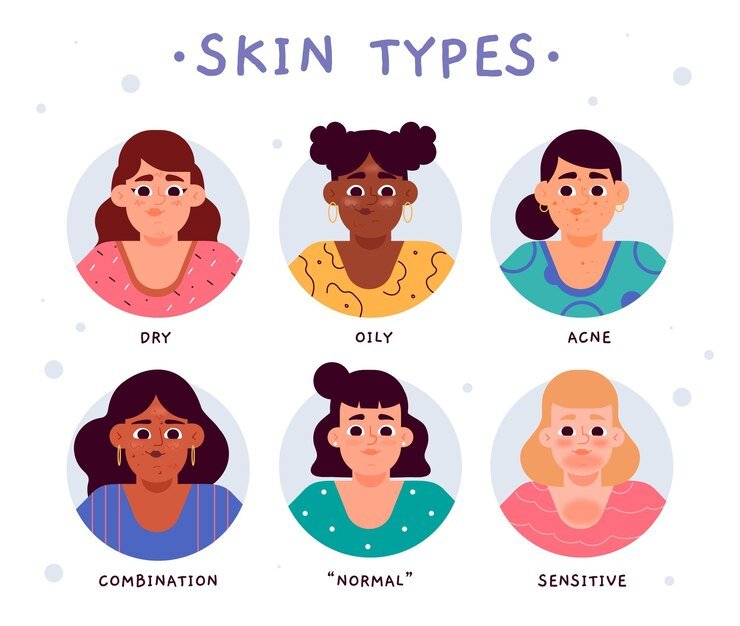
The skin is the biggest organ in the body and is wonderfully resilient, despite the poor treatment that it often receives from clients. The therapist needs to analyse skin types so that they know what treatment and products to use.
The five main skin types are:
1. Dry: flaky, dehydrated and a tendency to develop fine lines
2. Normal: healthy and resilient
3. Oily: prone to enlarged pores and blockages; shiny
4. Sensitive: tends to react negatively to fragrances and alcohol in products
5. Combination: very common; an oily T-zone and dry cheeks and neck
Skin types are often genetic but can be affected by the environment and by poor daily routines and habits, such as smoking, spending too much time in the sun, not getting enough sleep and eating a poor-quality diet. Some skin conditions, such as acne, eczema, seborrhoeic dermatitis and other common conditions, can also affect skin type and are more prevalent in certain skin types.
2.3 Contraindications and Contra-actions
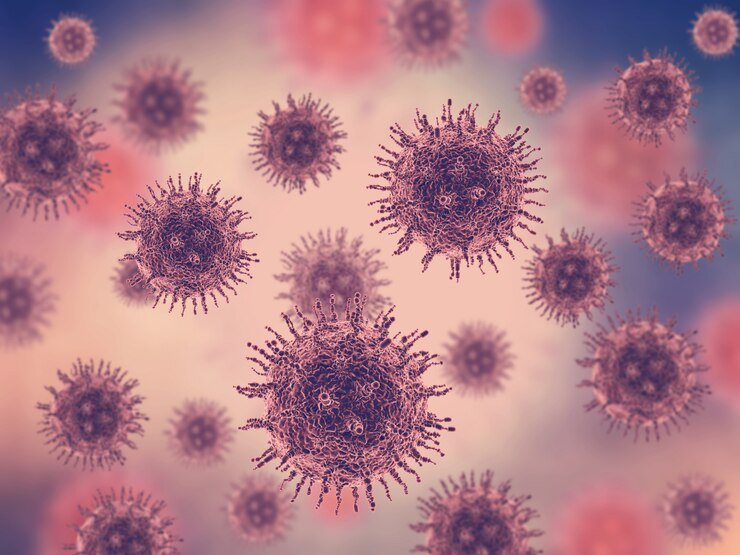
Contraindications are situations where by it would be wise to avoid a facial treatment. These often result if a client has a medical condition. These could include: Viruses, such as those that cause colds, the herpes virus, which causes cold sores, and warts, which can be transmitted to the therapist or spread on the client.
Bacterial infections, which cause such infectious ailments as boils, styes, conjunctivitis and impetigo
Fungal infections, such as ringworm
Undiagnosed swelling or lumps, which could indicate an undisclosed problem
General allergies to products
Eczema, new bruising, open wounds, fresh bleeding, tooth abscesses, any broken jaw or facial bones, facial disease, including skin cancer, and lice
Drunk or drugged clients
Head injury, high blood pressure, fever, unhealed scars or severe acne, which requires a dermatologist's treatment
Certain contraindications just require the restriction or adaptation of a treatment:
Broken skin or non-contagious rashes
Certain types of acne
Certain types of scar tissue
Some forms of dermatitis and eczema
Sunburn
Contra-actions are a reaction to a treatment. They are usually not serious and will clear on their own. Sometimes they indicate an allergy, which could be serious; they then become a contraindication for that client. These may include:
Watering, red eyes
Any reddening of the skin or a rash
Heavy perspiration
Erythematous reactions caused by massage pressure
It is important to note all these reactions in the client's notes. This ensures that either the correct treatment is offered, or the client is advised to seek medical attention.
Assignment
The Facial Structure, Skin Types, Contraindications and Contra-actions
Estimated time: 30+ minutes
Work your way through this worksheet to see how well you have really done in absorbing the
relevant information.
SUMMARY
In this module you gained an understanding of the bones and muscles of the face. The five main skin types were identified, along with some common skin conditions. Lastly the module explained contraindications (symptoms/conditions) and contra-actions (conditions which may arise during the treatment). In Module 3, we will discuss the treatments and products that the therapist will be using, to give the client a luxury facial.
.svg)



