
5.1 Introduction
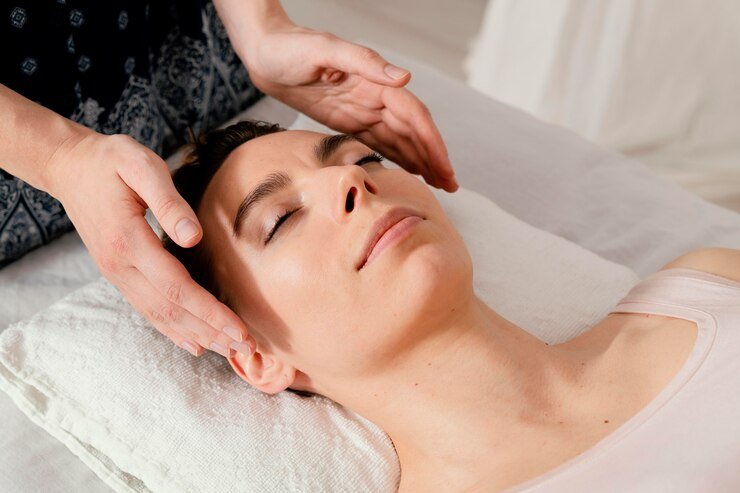
In this module, the therapist continues demonstrating the facial; having covered cleansing and exfoliation, she moves on to steaming and extraction. Extraction is classified as the 'horrible' part of the treatment, as it can be a bit uncomfortable or painful, but it is important to clear out congested pores, to clean and clear the skin.
5.2 Steaming
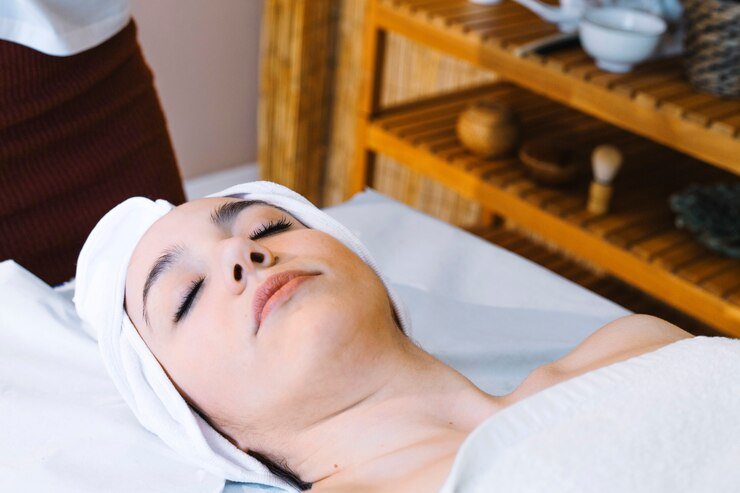
Steaming, whether in a salon with a professional steamer, or over a bowl of hot water at home, has several valuable benefits.
Benefits:
It cleans the skin, opening pores and loosening any build-up of sebum or dirt
It softens blackheads, making it easier to extract them
It improves circulation by dilating the blood vessels — this brings additional oxygen and nutrients to the skin, providing a dewy glow
It allows trapped bacteria to be removed from the open pores, making skin infection less likely
It releases sebum trapped in the pores
This trapped sebum is a leading cause of bacterial build-up, which causes acne and blackheads
It hydrates the skin, which makes it easier for products to be absorbed
It allows for more collagen and elastin — two proteins in the connective tissue, which structure and firm the skin — to develop, by improving circulation
The essential oils used during steaming can relieve sinus congestion and headache
Essential Oils Suitable for Steaming
Recommended oils and their uses:
For acne: bergamot, chamomile, lavender, tea tree and geranium
For congested, dull skin: geranium, lavender and grapefruit
For dry, sensitive skin: rose, chamomile, jasmine, sandalwood, neroli and geranium
For oily skin: bergamot, geranium, lavender, sandalwood and cedarwood
For irritated, inflamed skin: chamomile, lavender, patchouli, rose and jasmine
For mature, wrinkled skin: frankincense, neroli, rose, jasmine, sandalwood and lavender
For sinus congestion: eucalyptus, tea tree, pine and basil
5.3 Extractions
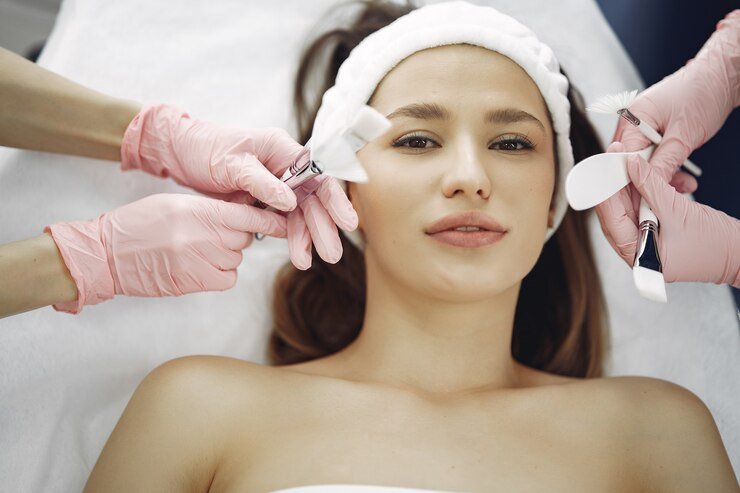
An extraction is the clearing of a clogged pore. Usually, extractions are part of a facial treatment. Extractions are more common in younger people with oily or hormonal skin, but most people will need a few extractions during a facial.
Comed ones are the proper name for blackheads. They are the most likely reason for extractions. A blackhead is not dirt in a pore; it is dead skin cells and sebum that have oxidised, combined with some environmental dirt, such as pollution. Unlike blackheads, which are usually very easy to remove, pustules and pimples often need to be opened with an implement, to extract the contents, without causing damage or even scarring to the skin. Until pimples or even pores are fully ready to be extracted, you can cause damage by rushing into queezing blemishes. The reason why it is preferable to allow a trained therapist to do the extractions is that dirty fingers and an incorrect technique can damage cell walls and force infected pus into the facial area, which could lead to skin damage and even cellulitis and, of course, spread any pustules still further.
Extraction technique:
The therapist will cleanse and exfoliate the skin
The skin will then be steamed, to open pores and loosen compacted sebum
Using a magnifying lamp, the therapist will see which pores need to be cleaned
While the client relaxes, with their eyes protected from the bright light, the therapist will gently press down — using tissue wrapped around their fingers — and then up, to release the contents, without squeezing the skin
Extractions are usually done on the oily T-zone of the face, except in cases of acneic skin, whereby the pustules are easily widely spread
An antibacterial lotion will restore the pH balance, after an extraction, and prevent any spread
of infection
5.4 Advice The Therapist Can Give To Avoid Skin Breakouts
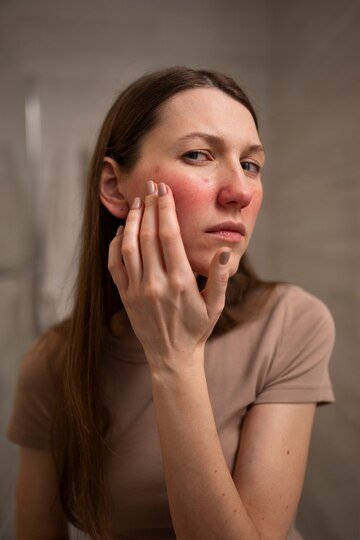
As a therapist, you are in the position to give your clients advice on managing skin breakouts in between facials. You will be aware that skin breakouts have many causes, from hormones to hygiene and even genetics. Specific advice will relate to each client; however, there is some general advice that you can give:
Wash your face well twice a day
Double cleanse at night. Don't use a harsh cleanser. Know your skin type so that you can select the right products
Moisturise with a mild non-oily, non-fragranced moisturiser
Use over-the-counter acne products that contain therapeutic amounts of benzoyl peroxide and
salicylic acid
If you have severe acne, which requires antibiotics and oral retinol, you will need to see a dermatologist
Use a spot controlling topical ointment on the actual spots
Stay hydrated; otherwise, your body will react by creating more oil, and the skin will appear dull
Use as little makeup as possible, as heavy makeup will block pores
Don't touch or pick at your face with dirty fingers
Avoid sun damage, which will dehydrate the skin, and use a non-greasy sunscreen
Avoid squeezing pimples, as you can set up an infection — let an expert clear blocked pores
Try to eat a healthy, balanced diet, without lots of greasy fry-ups
Use tea tree oil in a soothing gel on spots
Use clay masks, to draw impurities from the skin
Avoid stress, which could exacerbate pimples
Be consistent in your skin routine and make healthy lifestyle choices
As a facial therapist, you can be instrumental in helping clients with acneic skin to cope with what is,
undeniably, a stressful skin condition, which affects self-esteem and self-image.
Assignment
Steaming and Extraction
Estimated time: 30+ minutes
Work your way through this worksheet to see how well you have really done in absorbing the
relevant information. Download the worksheet below and complete. Download Worksheet
SUMMARY
In this module, the therapist continued demonstrating the facial; having covered cleansing and
exfoliation, she moved on to steaming and extraction. You learnt the benefits of steaming and the essential oils that can used for specific skin types. The technique for extraction was also detailed. The module also offered some general advice that you can give to clients to help them manage skin
breakouts in between facials. In Module 6, we will examine the techniques and benefits of facial massage.
.svg)



