

When someone dies in a residential home or hospice, a trained healthcare professional will need to verify the death to confirm the person has died.
If you work in individuals’ own homes and you find a person has died when you arrive, you will need to follow your organisation’s procedures. If you are unsure what to do, you should call your manager.
A GP will need to be called to certify the death. A GP can verify and certify a death at the same time. The GP will need to issue a medical certificate stating the cause of death.
It is a legal requirement that all deaths are registered by the Registrar of Births, Deaths and Marriages, usually by a relative who was present at the death or during the person’s last illness. The Registrar will enter the death into a register and issue the death certificate.
If a death is sudden or unexpected, they may report the death to a coroner who might then decide to investigate why the death occurred by carrying out a post-mortem. The NHS provide more information about post mortems.
A funeral director will usually be called to hold and prepare the body for cremation or burial.
There is usually some kind of funeral service when a person is cremated or buried that people attend to pay their respects and say goodbye to the person who has died. Some care providers actively encourage their staff to go to funeral services or take other clients as this can support people with the grieving process. You might want to seek advice from your manager about what to do if you see family members at the funeral or in the months following the death. Family members may want to talk to you as you were such an important part of the person’s life or they may want to ignore you to avoid difficult memories. It is useful for you to be prepared for different reactions.

You should learn a little bit about the customs and traditions that relate to the person’s faith so you can understand and respect what is happening.
The Citizen Advice Bureau provide further information about what happens after someone dies.
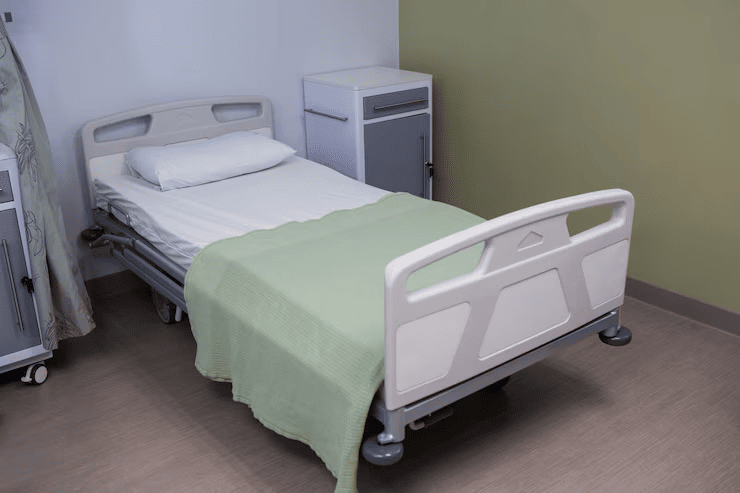
You may be required to clean the bed and room after someone has died.
If you find this is a difficult task you should seek support and guidance.
You will need to follow your organisation’s infection prevention and control procedures.
.svg)



