
7.1 Introduction

A knowledge of where to place content online is only one aspect of digital marketing.
The previous modules have focused on the platforms used to disseminate information in detail. But how are they controlled? Module 7 will deal with the topic of online public relations. It will do so by defining the differences between the online and traditional methods, as well as what public relations is. It will also identify the four elements of online public relations, as well as the tools that are frequently used. The four phases of online public relations will also be examined, which aim to show how it works. This will be followed by a discussion on why a company should engage in these types of marketing strategies. Finally, the module will conclude by outlining a few of the things to be avoided related to online public relations.
7.2 What is public relations?

Public relations, or PR, is the practice of building and/or maintaining the public profile of an organization. It is generally comprised of a communications strategy, and aims to be of mutual benefit to a company and the public. It works by having the company representative interacting - or networking - with various media outlets, in order to gain exposure of a particular aspect of the business.
There are two common types of PR - traditional and digital. In relation to PR, an organization can include the company itself that is being represented, or one of its brands.
7.3 What is online public relations?

Online public relations (online PR) is the practice of building or maintaining the public profile of a business using online mediums or tools.
In other words, it focuses on building brand exposure and trust while also attempting to implement crisis management for any interactions that the company has made online. It is also frequently referred to as digital PR.
It is believed to be made up of four elements, which include content marketing, public relations, SEO, and social media (these four elements will be discussed in a later section within this module). It is used to support other digital marketing strategies that have been covered in the previous modules and uses a series of measurables to track its impact.
7.4 How is it different from traditional PR?
Before getting too far into the topic of online PR, it is important to understand the difference between the two forms of public relations - traditional and digital. Traditional public relations include a variety of communication mediums that are used to boost the public perception of a business. However, instead of using online methods, such as social media, websites, or mobile marketing, for example, it uses offline tactics. These offline methods include the use of traditional media, such as television, print, and even radio. While these platforms have proven useful in the past, they are often quite difficult to measure.
With traditional PR, two things are of the highest importance - placement and time. Placement has been emphasized as being important in previous discussions related to a number of digital marketing platforms, but in traditional PR, placement isn't just about where the visual is but when. This 'when' factor can mean a time of day, week, or other specified timetable.
Additionally, many of these traditional methods are time-consuming, meaning the process of having them published can take longer than the newer online ones. For example, posting to social media can take minutes, while printing an ad in a newspaper or magazine relies on printing times, as well as release dates, which can take days, weeks, and sometimes even months.
7.5 The Four Elements of Online PR

As noted above, there are four elements that make up online PR. These include content marketing, public relations, SEO, and social media.
Content marketing
Content marketing is actually quite self-explanatory; it's the promotion of a campaign's content, in order to draw the attention of the targeted audiences. These audiences also include various online media outlets. The content is especially important, since it carries the bulk of the information, such as the message or purpose. If the content is unclear, then the campaign will be as well.
PR
Public relations as a general category of online PR includes the content as noted previously, and also the style in which it is presented. A rule of thumb is to think like a journalist. This means to be sure to cover all bases of the story, or the five Ws (who, what, when, where, and why). It also involves ensuring that grammar and spelling are correct, and that the overall message is easily understood.
SEO
SEO was covered in detail within Module 2. In relation to online PR, it can be used to generate backlinks (or the links found within one website that direct it to another), from an article found on an online media outlet, which takes the user directly to the advertising, or noted business' website. This increases the awareness of the company website, leading to an improved ranking within search engines, while also generating higher traffic rates. SEO will also be discussed in the following section on the tools used to employ online PR.
Social media
The fourth element of online PR is social media, which like SEO will also be included in the section on PR tools. Social media also happens to fall under another online PR element - public relations. This platform is an excellent way for a company to share or feature content that is used to boost its online persona.
7.5 Types of online PR tools

There are a number of tools to help a company employ its online PR strategy.
In no particular order of importance, these PR tools include:
-Article distribution
-Blogs
-Email Newsletters
-Podcasts and webinars
-Press Releases
-Search engine optimization
-Social Media
-Web or brand sites
-Each of these tools will be described in their respective proceeding sections.
7.6 Article distribution
Using article distribution as a means of online PR is a strategy that involves developing content that can be placed on other forms of digital media, which are referenced back to either the company or campaign website.
This allows the desired information to be published, while also helping to improve campaign awareness and building the company's SEO. Article distribution can easily be thought of as a form of online press releases, although they tend to be a bit more detailed. The rule of thumb when writing these types of articles is to keep within 500-800 words in length.
The articles used within this type of PR strategy are usually tailored to a niche market, or subject, which will draw the intended audience to the material. It can also be used to build trust between the company and customer, while at the same time demonstrating a certain level of knowledge. Article distribution is heavily reliant on its placement in the public domain, as well as the use of keywords as a means of generating traffic.
FACT
58% of consumers within Generation Y expect some form of content to be published before they will make a purchase, while 43% place authenticity over content, in terms of importance.
Source: Millennial Consumer Study 2015
7.7 Blogs
 Blogs are another valuable PR tool that can be effectively utilized to shape and maintain the public perception of a brand or business. They serve as platforms for sharing expertise on various topics related to the brand or industry, helping to establish the company as a knowledgeable authority in its field. By regularly publishing informative content on a blog, businesses can enhance their SEO efforts and attract both existing and potential customers.
A blog typically consists of a collection of themed content within a website or as a standalone website. Blog posts are usually concise, ranging between 200 to 300 words, and are ideally published at least once a week. The content of a blog post is often specific to the industry or niche of the business, aiming to educate readers rather than directly promoting products or services. Blogs offer a more casual and relaxed format for disseminating information, allowing businesses to subtly incorporate sales pitches while providing valuable insights and answering frequently asked questions.
7.8 Email Newsletters

As discussed in Module 5, email newsletters serve as a form of email marketing and are often referred to as online newsletters. They are sent to targeted audiences, typically drawn from a company's customer database, with the purpose of delivering engaging information about company updates or other relevant articles related to the brand or business. When executed effectively, email newsletters not only promote the business but also contribute to developing customer rapport, enhancing brand loyalty, and increasing awareness.
Email newsletters function by delivering an email containing multiple articles to the recipient. Each newsletter generally includes links to around 3-5 articles and may incorporate additional media such as images or video clips. Each article is accompanied by a compelling tagline designed to capture the reader's interest. The links within the newsletter typically direct recipients to the company's website or other relevant pages, thereby driving user traffic.
The frequency of sending email newsletters varies depending on the audience. Some newsletters are sent monthly, while others may be distributed more frequently, such as weekly or bi-weekly. There is no set pattern for the frequency of distribution, as it is tailored to the preferences and expectations of the target audience.
7.9 Podcasts and Webinars

The next PR tool to be discussed is the use of podcasts and webinars. To start, it may be important to briefly define each.
A podcast is an audio file that can be downloaded to a computer or other mobile device. The file usually contains an oral account of a particular topic and is commonly part of a series of files on similar subject matter. A webinar, on the other hand, is the video version of a podcast, or more simply, an online seminar.
The use of either of these tools is a newer form of PR. However, they are a useful means of demonstrating knowledge and expertise on a particular topic. They work best when dealing with a niche market, as this also tends to draw specific audiences, while also adding a new voice to a related, or more general, topic. By engaging with this type of material - because it is knowledge-based - it will eventually define the business as a leader of the particular industry. This will also translate to increased brand awareness and online traffic.
Activity 1
Estimated Time: 15 minutes (depending on the podcast)
Seeking the message behind a podcast.
To identify the message or sales pitch within a podcast.
Go to your favorite podcast source (or search for one using your preferred search engine). Select one that relates to a topic of interest to you, and listen carefully. Make note of any marketing language used.
After listening, spend some time reflecting on the questions below:
-Did the podcast you selected have a sponsoring brand? If so, was this obvious, or something you picked up on as you listened?
-How easy was it to determine if the podcast was being used as a marketing strategy? Did it feel forced, or was it subtle?
-Do you think the use of the podcast as a means of public relations and/or a marketing strategy was an effective platform? If so, why? If not, why? Either way, what could be done differently to change the outcomes or the reception of the podcast's underlying message?
By completing this exercise, you should have a working knowledge of how podcasts are used as part of an online public relations strategy. It will also provide an opportunity to critically examine the hidden messages within a podcast that relate to the sponsoring business or other marketing-related tactics.
7.10 Press Releases

Press releases are most commonly associated with either type of PR. They are a short summary of a subject or action that a company decides to make public. In other words, this is the information that is issued to news outlets and news-related search engines, which is then passed on to targeted audiences through their respective websites. For this reason, they are heavily reliant on keyword use, just as much as the content information itself.
An online press release commonly contains 400-600 words and includes not only information about the campaign or the reason for the statement, but also on the brand or business itself.
The content within a press release usually attempts to answer the five Ws. As a means of generating increased online traffic and brand recognition, a press release will also generally include links to the company's website, along with its logo. Other media, such as photographs or video are also sometimes included, as a means of providing a visual aid.
7.11 SEOs
The use of SEOs was a major part of Module 2 but was also already described in a prior section in relation to online PR. In order to execute a successful use of SEO, the content made available needs to easily be linked back to the issuing business' website. The increased attention to a particular website then leads to higher rankings within search engine results. This is predominantly activated through the insertion of targeting keywords, which are aimed to further increase the visibility of the specific website or page.
7.12 Social Media
Social media, like SEO, has also been extensively covered within this course (see Module 6 on Social Media). However, this is an important online PR tool because aside from the requirement of dedicated personnel managing these platforms, they are generally free to operate.
Social media is an excellent way to share information about any number of topics, as well as promotional content that a company's customers might find interesting or beneficial. The added value of these tools is that it provides a bidirectional interaction between a business and its customers. This means customers can contribute to a company's social media just as much as the business itself.
However, this can sometimes come in the form of negative feedback, which further emphasizes the importance of maintaining a proactive and well-thought-out crisis management strategy. Online forums are also closely linked to social media, as they are designed to function in much the same way. These forums use online communities to generate discussion about a specific topic or topics. These discussions can easily include products or services, and the contributors' experiences related to them - good or bad.
7.13 Web or Brand Sites
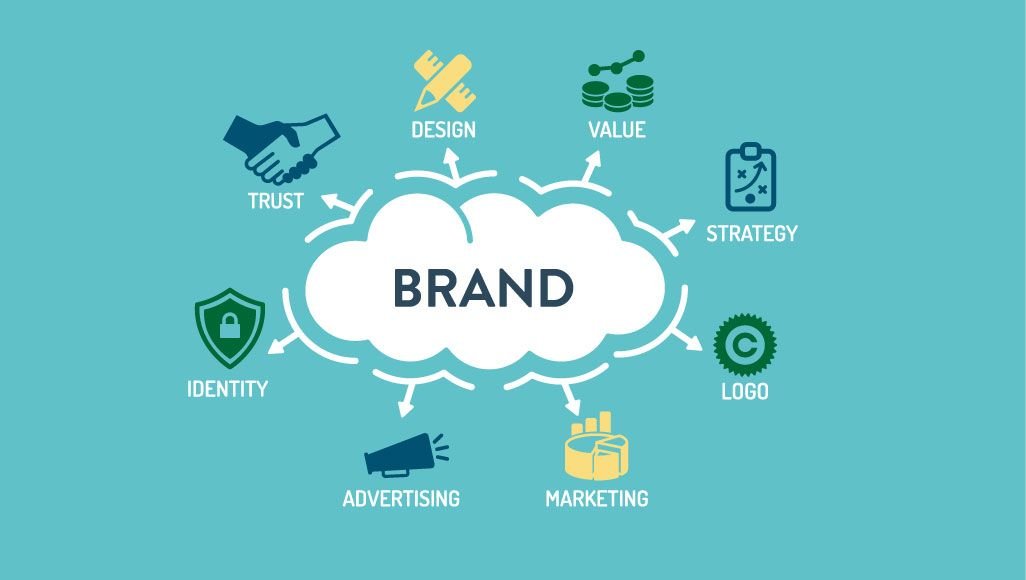
The use of a website is yet another tool a company can use as a form of online PR. A company website can also be referred to as a brand site if it is specifically designed to promote a particular aspect of the company (i.e., a brand) rather than the entire business. Websites are also a useful means of publicly disseminating information about the company, in general, as well as its brands, and methods of contact, for example.
An additional consideration, which was not discussed in Module 3, is the inclusion of a 'media room.' This is a section of a website that is specific to all content directly related to PR and media relations. This can include submenus for categories such as email newsletters or press releases. Essentially, a media section of a company website is meant to be a one-stop source of any publicly released information that a media source might find useful.
7.14 How online PR works
Although the methods of online PR differ from its traditional form, the process of employing these strategies is often quite similar. Regardless of the method, it is generally accepted that PR operates using four different phases, or actions. These include attracting viewership, engagement and dialogue, building campaign buzz (which might sound like it's repeating the first phase, but is actually quite different), and crisis management. Each of these four will be discussed within this section, under the context of online PR. However, in order to avoid repetition, it is important to note that all four phases contain one binding action - the need to influence the media.
As indicated within the definitions section of this module, liaising with media representatives or outlets is key to successful PR. This means, without the attention or buy-in of the media, any PR strategies will be difficult, if not impossible. This is because the media controls much of the mainstream content - especially in the traditional sense. This further reiterates the importance of networking with other influencers and media outlets. In this case, media can refer to any number of mass media channels, such as news outlets, print, television, or digital.
Now, a look at the four phases.
Phase 1
The first phase, or process, is the need to attract attention. In terms of online PR, this is accomplished through the generation of traffic to the business' online channels, such as a website, social media, or by increasing the number of searches for either of these. One way to achieve this is through backlinks, as well as other methods which have been discussed in the previous section, including the use of blogs and press releases. But it is actually the development of relevant and interesting content that is used to attract the desired audiences, and therefore results. In the same way that having the support of various media is important, so too is the need to have clear, well-written content that will entice a customer (or potential customer) to visit the company's website, or seek further information about the brand or business.
Phase 2
Next is the need to increase engagement while encouraging dialogue. This is done through the company's own tools, such as its social media and blog. However, it can also include any external content or posts made by customers or other users. In addition to this, a business may choose to engage in alternative means of generating feedback. This can be achieved through customer surveys, conducting specific research, or user polls. It is important to note that these engagement strategies don't always have to be conducted by the company itself, as there are a number of third-party avenues that deal with this type of data collection. This research or dialogue can take place before the campaign goes live, as well as during and following its conclusion. This allows the company to understand the campaign's reception, in order to either alter it going forward, or apply what was learned to future actions.
Phase 3
The third phase of the PR process is about generating buzz or interest in the campaign in order to build its awareness. The underlying goal of this phase is to disseminate the idea or message behind the overall campaign, rather than just generating awareness about the company or brand more broadly (as is the case in the first phase). It is in this phase that placing strategic media should be considered, such as paid-for campaigns noted in Modules 2 and 4, or by attempting to create viral material. It also involves issuing press releases that provide the background information about the campaign, meaning the five Ws, along with the 'how' behind it all.
Phase 4
The final part of the process is in relation to crisis management. This isn't to suggest that there will always be a significant public backlash, but instead to emphasize the need for a business to prepare for such a scenario. The purpose of this is to protect the brand against any future negative outcomes. Crisis management is generally conducted through social media, since this is the primary platform that customers use to voice their concerns or unpleasant experiences. Enacting crisis management is not just a reactive process, as was just mentioned. Therefore, to manage these potential scenarios properly, it is essential that whoever is in charge of any social media owned by the company is monitoring activity, and responding to any criticism as quickly and professionally as possible. This was discussed, in detail, in Module 6.
When all four of these steps are employed, the possibility of a successful campaign can be achieved. But the key is preparation, at every stage - be it creating the content material or managing potential backlash.
However, in order to maintain consistency throughout all PR processes, it is important to designate a single spokesperson. This doesn't mean hiring a celebrity to be the face of a campaign, but rather having a single company representative in charge of the public aspect of all PR strategies.
Activity 2
Estimated Time: 10 minutes
Media Room Presence and Relevance
To identify media rooms within a website and decipher their usefulness to online PR strategies.
Visit a number of brand or company websites (selecting 3-5 is fine). When you arrive at each site's homepage, look for the media room, or section, in the navigation bar. Once you have located this, have a quick look at the material found within these sections.
Next, spend some time answering the following questions:
Of the websites you visited, how many had media rooms? Were they easy to spot, or did you have to spend time searching for them?
When you opened the associated page, what type of information was found? Was it strictly press releases, or was there other information as well? Were all the documents accessible, or did they require a special access login?
If you chose to read any of the included documents, did they answer the 5 Ws clearly, while identifying the underlying message?
Was there any information or documents you thought were missing, or that could have been included in this section? If so, what?
The aim of this activity is to have you consider how useful media rooms are in terms of continuing public relations. It is also meant to have you identify the different types of documents and information found within these sections while being able to understand how they would have been used to communicate a specific topic or campaign.
7.15 Why should a company employ online PR strategies?
After outlining the many tools and how online PR works, it is important to further understand why a company might want to engage in this type of activity.
This section will look at the greatest benefits of online PR strategies to a business. Starting with the fact that the use of online PR tactics usually leads to brand awareness, credibility, and ultimately increased loyalty. All of this translates to increased traffic and usually business.
It's an easy and low-cost method of distributing information to a targeted audience or customer base, or the public at large. This applies to both the introduction of new, or as-it-happens news, as well as for crisis management. Many of the platforms are either free to use, or when there is a fee attached it tends to be minimal. However, the cost of these free services is that they often require a lot of time and dedication in order to make them work.
Many of the tools outlined above come with easily measurable outcomes, through their built-in analytics (which will be examined in Module 8). The data collected through these tools can easily be applied to future campaigns, which can lead to improved outcomes in subsequent strategies.
Finally, many of these online PR tactics are easily accessible to all types of businesses - small, medium, or large. This is because of the above-mentioned low costs associated with their use. This is especially true when considering the use of social media platforms.
7.16 What to avoid
 This module has focused greatly on the processes of online PR which lead to successful campaigns. But what is often missing from conversations surrounding best practices are the things that should be avoided.
A number of the most common mistakes in online PR have been listed below:
-Downplaying the value of press releases as a means of creating buzz about a campaign.
-Sending out mass media pitches, rather than tailoring each to the specific recipient.
-Issuing press releases and other information that does not include a clear message, or single focus (or that just isn't interesting).
-Sending out a press release that is clear and concise, but to the wrong channels.
-Not managing all aspects (where possible), including the execution of the press releases, or proactively and professionally controlling criticism and other negative feedback.
Each of the above-listed mistakes can all have significant impacts on a marketing campaign. This is why it is so important to ensure all aspects are considered thoughtfully, while paying special attention to every detail of the marketing strategy.
Module Summary
Next, the four elements of online PR were outlined, which included content marketing, public relations, search engine optimization, and the use of social media. A number of tools were also examined in order to understand the best uses of each, and how they can be used to boost a digital marketing campaign. Attracting viewership, engagement and dialogue, building campaign buzz, and crisis management were identified as the four phases of online marketing, which were used to describe how online PR works. Each phase was discussed in order to provide a clear understanding.
This led to a discussion on why online PR is important to a business' online presence and marketing strategies, before ending with a number of common mistakes.
Upon completion of this module, the concepts related to online public relations should be thoroughly understood. The tools outlined - including article distribution, blogs, email newsletters, press releases, social media, and websites, to name a few - should also be understood, along with a working knowledge of how they relate to public relations.
.svg)



