
Module 1
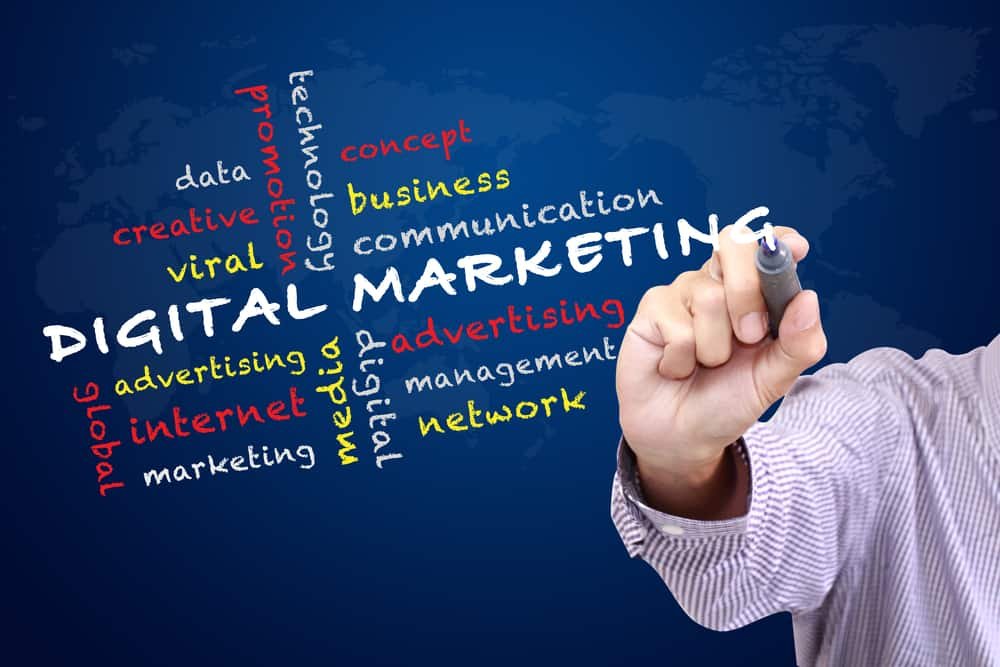 In today's
business climate, marketing practices have now transitioned to fit with the
current technological age. The use of technology is a daily activity, meaning
its position in business practices is crucial to one's success.
This module
will look at what digital marketing is and how it came about, along with the
benefits of using it, and current trends. It will also briefly outline the
types of digital marketing, how it works, and who it targets, before touching
on some of the legalities related to this practice.
1.1 What is
digital marketing?
Digital
marketing is broadly defined as the practice of marketing in the Technological
world or Internet . This means, marketing using a variety of channels, such as the internet,
social media, and even text message. Digital marketing has allowed businesses
to expand their markets, by reaching wider audiences. It is also considered to
be a more efficient marketing practice.
This
practice began to catch on in the 1990s, and became widely used by the 2000s.
It is believed that digital marketing first took place in the 1980s, as a means
of selling cars. However, its employment in business marketing strategies today
is still expanding steadily.
But how is
digital marketing different from the more traditional forms of marketing? Well,
traditional marketing (TV, print and radio, for example) was rather one-sided,
meaning a business provided information to its customers without there being an
opportunity to respond; whereas digital marketing allows a business to reach
out to a specific audience, while also providing a channel for the customer to
connect with the business. In other words, traditional marketing went solely
from business to customer. Digital marketing, on the other hand, does the same
thing as the traditional method, with the addition of allowing customers to
also communicate with the business.
1.2 The
benefits of digital marketing

There are
many benefits to using digital media. Digital marketing isn't just of benefit
to a business - it's equally of benefit to the customer themselves. Because of
the bidirectional function of digital marketing, consumers are now provided
with easy access to the brands they know and love. This means that they do not
have to wait for a communication from the business in order to learn about new
products or inquire about a potential concern, but rather they (the customer)
can directly contact the organisation without an invitation in the form of a
marketing tactic. This has also allowed customers to gain wider trust in a
particular brand or business, because they are able to research and/or learn
about it. However, this can also have a negative effect, particularly when a
customer has had a bad experience with a company or product. In addition to
this, however, digital marketing is less time consuming to roll out, it
provides more accurate data on reach and the effectiveness of a campaign, and
it can be targeted to either a broad audience or a specific one more easily
than the traditional way of marketing.
Another
benefit of digital marketing is that it makes global campaigns much easier. It
allows businesses to reach wider audiences at the click of a button. This
wide-spread opportunity that comes from digital marketing is one of the most
important aspects of this practice.
FACT
The
popularity of digital marketing has increased to a greater extent when compared
to the previous years.
1.3 Digital
marketing trends
It is a
known fact the emerging trends tend to control the future of marketing - be it
for an immediate time period, or something long-lasting .
Some of the
recent digital marketing trends include:
Artificial intelligence: Automating tasks, enhancing
customer experiences through intelligent algorithms.
Voice search: Searching online via spoken commands instead
of typed queries.
Chatbots: AI-powered virtual assistants for customer support
and engagement.
Influencer marketing: Leveraging personalities to promote
products/services to targeted audiences.
Metaverse: Immersive digital environments enabling
interactive experiences.
Personalization: Tailoring content and experiences to
individual preferences and behaviors.
Video marketing: Promoting products/services through
engaging video content across platforms.
Augmented reality: Integrating digital elements into
real-world environments for enhanced experiences.
Programmatic advertising: Automated ad buying, targeting
specific audiences based on data.
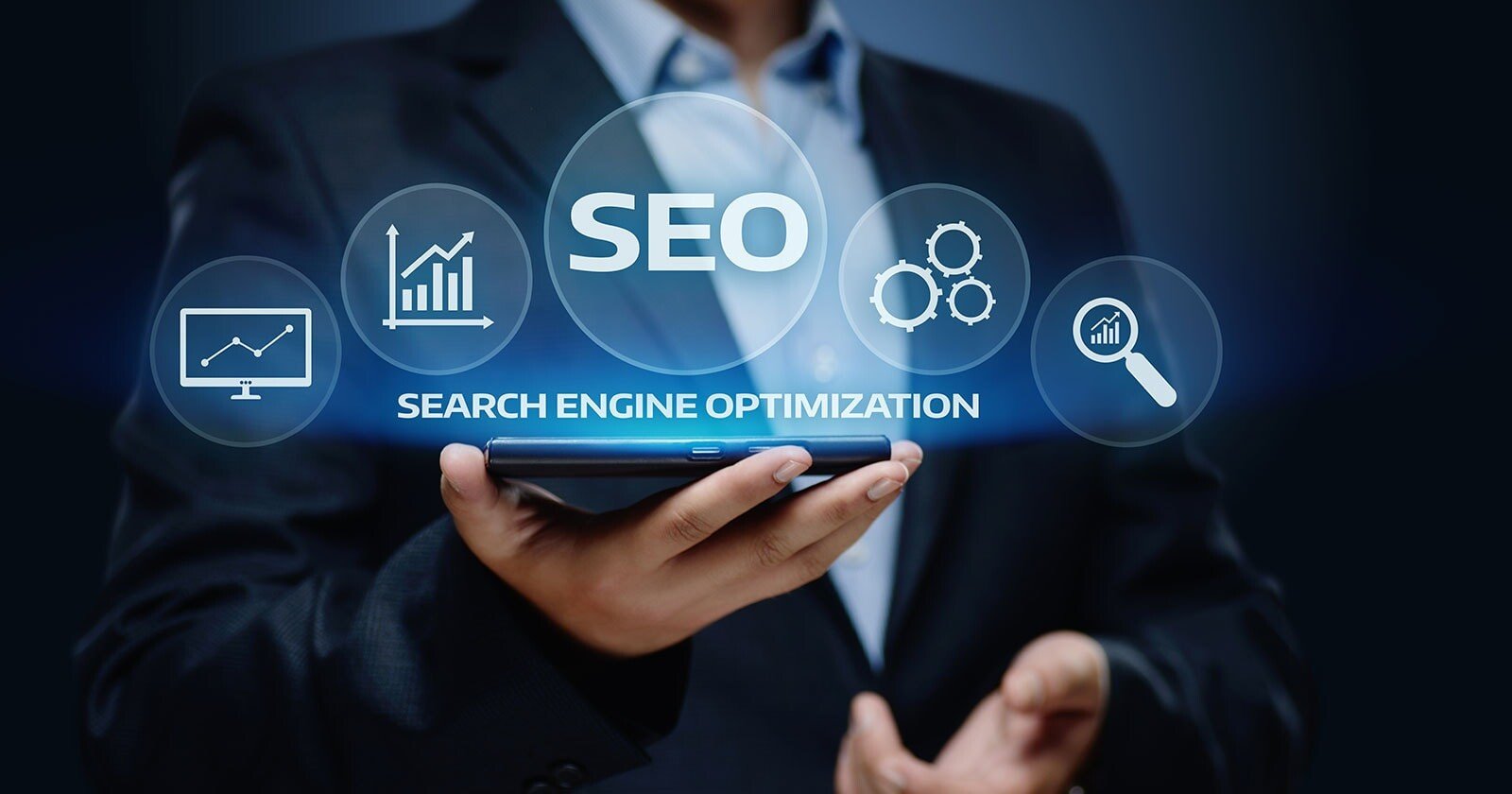
SEO: Optimizing website visibility in search engine results
for organic traffic.
Mobile optimization: Ensuring websites and content are
user-friendly on mobile devices.
Omnichannel: Seamless integration of marketing channels for
unified customer experiences.
Branded content: Creating and promoting content that aligns
with brand values.
 Conversational marketing: Engaging customers through
personalized, real-time conversations.
NFTs: Digital assets with unique ownership verified via
blockchain technology.
Social commerce: Selling products directly through social
media platforms.
User-generated content: Content created and shared by
consumers, influencing brand perception.
Live streaming: Broadcasting real-time video content to
engage audiences interactively.
Each of
these trends play an important role in how digital marketers and businesses
proceed with their campaigns. For example, until recently it was believed that
targeting specific markets was the best option. However, with the growing
concerns and surrounding privacy, this method needs a lot of consideration. This
doesn't mean companies cannot target specific markets using the information
provided by the data, but rather they will need to focus more on what the
consumer is concerned about. It's about making the audience connect with the
product or messaging of the campaign by targeting something they may relate to
or take an interest in, rather than focusing solely on age, gender or location,
for example.
The most
important aspect to be considered while looking at current trends is how they
have come to be, and how they might impact current marketing campaigns. Staying
current enables a business to keep ahead of the competition and at the same
time achieving their identified measurables.
Trends are ever changing, so by acknowledging
how the area of digital marketing is transitioning, it will enable a company to
reflect these trends in order to maximise on their effectiveness.
Activity 1
Estimated
Time: 20 minutes
Exploring
current digital marketing trends
To unveil a
successful digital marketing campaign, it is important to be current with the
latest news and trends, in order to stay ahead of the competition and have more
effective outcomes.
Open up
Google or your preferred search engine and quickly research the current digital
marketing trends. You may also consult those listed in the section on 'digital
marketing trends' within this module. After doing so, begin to search your
social media platforms, or visit websites of brands you use for any advertising
campaigns.
Once you
have completed this task, spend a few minutes on each of the questions below:
· What are
the most recent trends in digital marketing that you found?
· Why do you
think they have begun to emerge? Do they make sense?
· Is there
anything missing?
· Of the
trends that you have identified, were you able to notice if they were
considered in any of the advertisements you came across?
· How do you
think it will impact the overall success of the campaign, if at all?
· Is there any
indication that the campaign may have changed during its rollout period to reflect
these trends? If so, how have you determined this?
· Do you
think it would benefit the outcome if it were to be altered mid-campaign?
This
exercise allows you to identify current digital marketing trends, as well as being
able to recognise whether or not they have been considered in a variety of
marketing campaigns. It will also provide you with the opportunity to consider
how these newly emerging trends will impact the results of each campaign.
1.4 Types
of digital marketing
Since
digital marketing is a fairly broad term, it is important to understand the various
channels that can be used.
These
include:
Search Engine Marketing (SEM): Utilizing paid search ads to
increase visibility on search engine results pages (SERPs).
Email Marketing: Sending targeted promotional messages and
newsletters to a list of subscribers via email.
Social Media Marketing: Promoting products or services
through organic and paid content on social media platforms like Facebook,
Instagram, Twitter, etc.
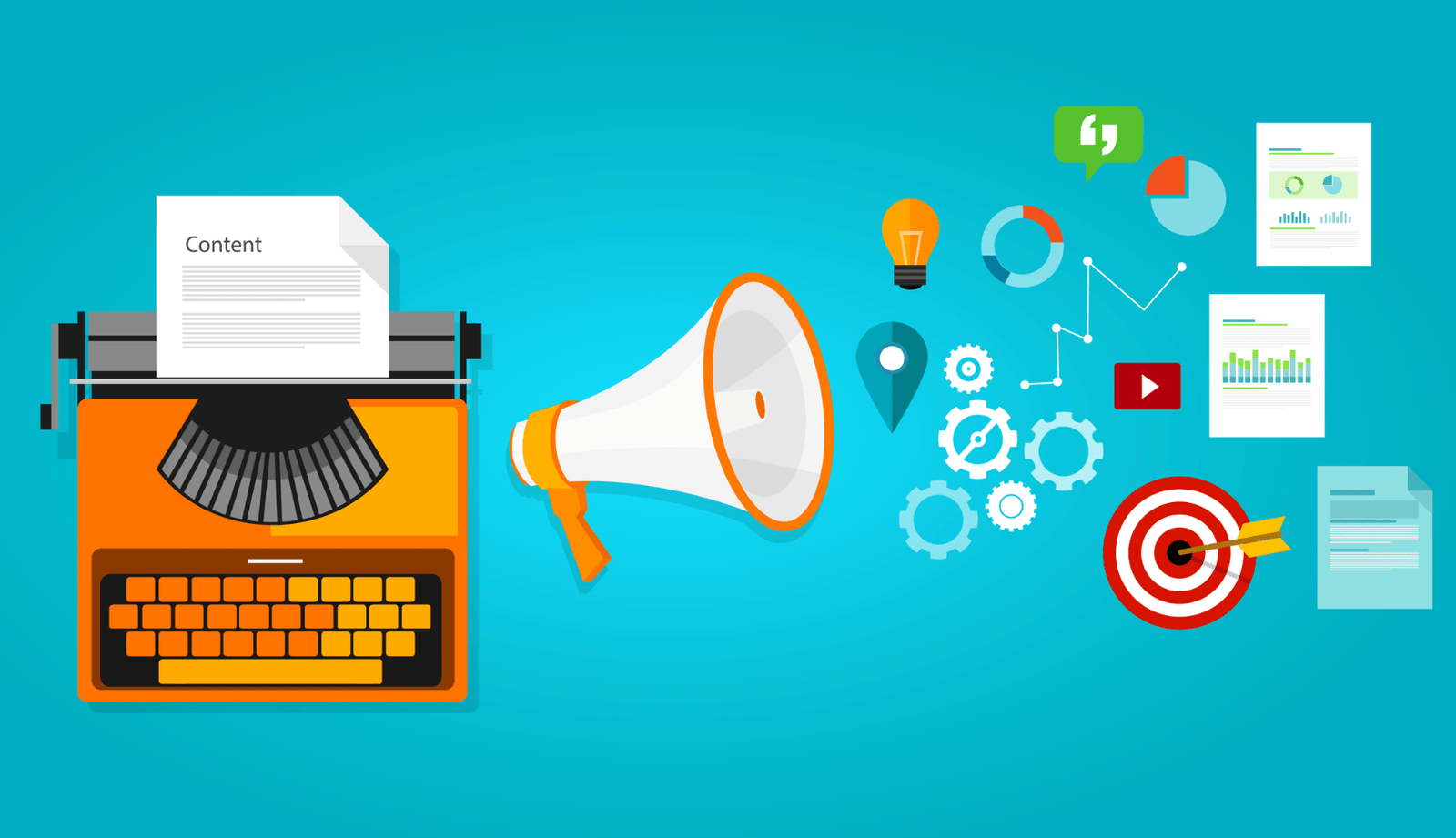
Content Marketing: Creating and distributing valuable,
relevant content to attract and retain a specific audience.
Influencer Marketing: Collaborating with influencers to
endorse products or services to their followers.
Affiliate Marketing: Partnering with individuals or
businesses to promote products or services in exchange for a commission on
sales generated through their referral.
Video Marketing: Utilizing video content to promote
products, services, or brand messages on platforms like YouTube, TikTok, etc.
Search Engine Optimization (SEO): Optimizing website content
and structure to improve organic visibility and ranking on search engine
results pages.
Mobile Marketing: Targeting consumers through mobile devices
via SMS marketing, in-app ads, mobile-optimized websites, etc.
Display Advertising: Placing banner ads, rich media, or
video ads on third-party websites or apps to reach a broader audience.

Pay-Per-Click (PPC) Advertising: Running paid ads where
advertisers pay a fee each time their ad is clicked.
Native Advertising: Integrating sponsored content seamlessly
into the user experience of a platform, such as sponsored articles or promoted
posts on social media.
Remarketing/Retargeting: Targeting users who have previously
interacted with your website or app with personalized ads to encourage them to
return and complete a desired action.
Chatbot Marketing: Utilizing AI-powered chatbots to engage
with users in real-time, answer questions, provide recommendations, and drive
conversions.
Voice Search Optimization (VSO): Optimizing website content
and structure to improve visibility and ranking for voice search queries on
devices like smart speakers and virtual assistants.
 The above
list of digital marketing platforms is quite varied. Each serves a different purpose,
which can provide a targeted desired outcome to a business. In other words, a
campaign that uses email as its main means of communication will likely have a different
target demographic than one that employs mobile marketing.
However, it
is important to note that digital marketing can employ more than one platform
within a campaign. The key to making any of these methods work is to understand
who the audience is and how they interact with technology (specifically the
platform intended to be used). Thus using data collected from previous projects
can play a crucial role in future campaigns.
Each of
these categories will be explored in more detail in Modules 2 to 6.
Activity 2
Estimated
Time: 15 minutes
Identify
the differences between traditional and digital marketing
In order to
best understand the value of digital marketing, it is important to understand
how traditional methods differ from the latest digital marketing.
Open a
magazine and locate an advertisement (preferably for a product that still
exists today). Next, go online and search for a current campaign or associated
marketing strategy for this same product (such as social media, a blog post
written about the product, or website, etc.).
Note: this activity will be more effective if
you have access to older magazines. If you don't have any laying around, try
your local library.
Compare the
two marketing platforms, then take a few minutes to consider the following
questions:
· How do they
differ? Who are they directed towards?
· What are
the messages being used? What is the focus or goal of the advertisement or
marketing campaign (personal, product, price-point, etc.)
· How effective
do you think each format would be?
· What would
the impact be on a global market versus a more localised or national one?
· How could
either the digital or print campaign benefit from the other?
By doing
this exercise, you will have gained a better understanding of how each method
was used to achieve a specific goal. It will also enable you to critique
current and traditional methods of marketing in order to identify how to best
reach your intended audience.
1.5 How does it work?

Digital
marketing produces a two-way path of communication between the business and the
consumer. It is the most effective with the right data at the beginning of any
marketing plan. This means the first thing necessary for creating a digital
marketing campaign is to understand the user or target market. This is where
web analytics comes into play. Web analytics is the practice of analysing the
impact of a particular digital platform on its targeted audience, or users.
Using web
analytics enables a business to measure a campaign's success, while also
collecting valuable data on who is accessing their information in order to
improve future activities. The data collected provides detailed insight into
who is accessing a company's website or other digital media (social media,
podcasts, YouTube, etc.). By using this information, the marketing plan can be
created around what the data is indicating. Additionally, web analytics are a
means of measuring the success of the campaign, which aids in the reporting of
data and expansion of reach.
Digital marketing also works by placing
strategic information into the stratosphere
of the general public. This is referred to as online public relations (PR).
Examples of
online PR include:

Blogs: Share news, insights, address concerns, and showcase
expertise.
Press Releases: Announce news online, reach wider audience.
Social Media: Engage, share updates on platforms like
Twitter, LinkedIn.
Online Reviews: Manage reputation, respond to feedback.
Influencer Partnerships: Collaborate with influencers to
reach new audiences.
Online Events: Connect with audience, share insights through
webinars.
Community Engagement: Participate in discussions, enhance
brand credibility.
Content Distribution: Share valuable content to position as
thought leader.
Crisis Management: Address concerns, manage narrative
effectively online.
Online Press Rooms: Provide easy access to media resources,
strengthen relationships.
By using
these sorts of platforms to deliver information, it allows the business to
directly communicate with the target demographic. They are usually used to
deliver specific information or material, and with the intention of having the
consumer seek to learn more.
After the
campaign has been underway, the next step will be to assess the results.
But how
quickly does that become available?
This is
where digital marketing really sets itself apart from the traditional methods.
The initial results from digital marketing efforts can be viewed in real-time -
meaning as soon as the campaign is live.
The
availability of the accurate data depends on the duration of the campaign and
the method of digital marketing used. This means, that if the rollout of a
particular marketing plan is over a much larger period of time, then measures
of success might include smaller goals on a monthly or quarterly basis, for
example.
Web analytics and online PR will be explored
further in Modules 7 and 8.
1.6 Who
does it attract?

One of the
things that makes digital marketing quite unique is that it can be dispersed
broadly, or to a specific audience. Traditional marketing mostly used the
former, because it was the easiest to roll out. However, with the use of
technology, it has become easier and more efficient for a company to identify
the particular demographic, or target market, they wish to attract.
Therefore,
digital marketing does not target one specific audience, but rather enables the
option to select from multiple potential consumers in order to obtain the best
results. Furthermore, digital marketing doesn't even have to target a consumer
as their intended recipient or market; business-to-business campaigns are also
effective using these methods.
Regardless
of who the organisation is trying to market to, creating an effective and
strategic marketing plan is key to its success. This will be discussed in
detail in Module 9.
1.7 Rules
and regulations
Finally, it
is important to understand the legalities behind any business initiative. Without
this, it is not possible for a business to engage in activities that may cause
more harm than good, either to themselves or their target market.
It is
equally important to consider the broader audience, even if it is intended for
a more localised reach. This is because with technology, information can easily
be shared. So, it is important to understand the do's and don'ts of using an
online platform. Further
information on this topic will be covered in detail, in the final module of
this course.
Module
Summary

This module
covers the basics of digital marketing. It provides a brief history of digital
marketing and how it has progressed since the 1980s, as well as how it is
different from the traditional methods. It brings out some of the benefits of
using this type of marketing, such as reach, efficiency, and increased accuracy
of the data collected.
The module covers
the current trends, along with the platforms used, including email and mobile marketing,
and the use of a company or brand website. It discusses on how web analytics
are used to collect data and measure the success of a specific campaign.
The module briefly examines
the online public relations and the methods used, such as blogs, press releases,
and social media. It also brings out how web analytics can be used to identify
the intended audience and create the marketing plan. It also lets you know the
need to identify the specific legalities surrounding a digital marketing
campaign. Each of these topics provides a general understanding of what digital
marketing is, before going into each one at length in the proceeding modules.
Module Summary
This module covered the basics of digital marketing. It looked at a brief history of digital marketing and how it has progressed since the 1980s, as well as how it is different from more traditional methods. It then identiβied some of the benefits of using this type of marketing, such as reach, efficiency, and increased accuracy of the data collected.
The module touched on current trends, along with the platforms used, including email and mobile marketing, and the use of a company or brand website. It discussed how web analytics are used to collect data and measure the success of a specific campaign.
The module briefly examined online public relations and the methods used, such as blogs, press releases, and social media. It also identified how web analytics can be used to both identify the intended audience and create the marketing plan. It then concluded by outlining the need to identify the specific legalities surrounding a digital marketing campaign, and highlighted the importance of understanding that it can reach beyond the intended audience. Each of these topics should have provided a general understanding of what digital marketing is, before going into each one at length in the proceeding modules.
.svg)



