Module 3: Safety and Risk Management
Cleaning in a live, critical data centre environment requires strict adherence to safety protocols. This module equips students with the knowledge to plan, execute, and document cleaning operations safely while navigating the complex operational, security, and regulatory landscape of a live data hall.
1. Operational Safety: Cleaning in a Live Critical Environment
Working safely around sensitive electrical infrastructure is the foundation of data centre cleaning. The unique nature of a live data hall demands a "safety-first" culture where every action is carefully planned and executed to prevent incidents.
1.1 Key Safety Principles and Practices
Safety protocols govern not just how cleaning is performed, but also where and when personnel can work. Key practices include:
Zone-based Servicing and Scheduling: Cleaning is sequenced zone by zone and is typically scheduled during maintenance windows to minimise disruption to live IT operations . This ensures that critical systems are protected and that cleaning personnel are not working in high-traffic operational zones simultaneously.
Structured Governance: All cleaning is governed by a clear and structured set of processes, including Standard Operating Procedures (SOPs), Emergency Operating Procedures (EOPs), and Local Operating Procedures (LOPs) . These documents provide a framework for consistent, safe, and compliant operations.
Specialised Tools and Methods: Standard cleaning tools are often hazardous. For example, a standard mop can generate static electricity and shed lint fibres, posing a fire and short-circuit risk . Instead, data centre cleaning must use:
HEPA-filtered vacuums to remove microscopic dust from floors, cable trays, and underfloor plenums without disturbing airflow .
Anti-static wipes and Electrostatic Discharge (ESD)-safe tools on racks and equipment surfaces to prevent static discharge, which can damage sensitive components .
No Moisture Policy: Liquids and moisture are strictly controlled. Servers are extremely sensitive to moisture, and even small amounts of liquid can cause catastrophic failure . Specialist cleaning techniques often employ specially treated disposable cloths that trap and remove loose dust without using moisture .
Safe Chemical Handling: When chemical cleaning is necessary, only approved substances are used. For instance, 70% isopropyl alcohol mixed with water is recommended for wiping external surfaces, but it must be applied to a cloth, never sprayed directly onto equipment . High-concentration isopropyl alcohol (90% or more) is sometimes used as it is non-conductive and evaporates quickly, leaving no residue .
1.2 Working Around Electrical Infrastructure
Cleaning personnel often work in close proximity to transformers, generators, switchboards, and live server racks. To mitigate risks:
Restricted Access Protocols: Access to secure areas, including electrical rooms and live data halls, is strictly controlled and monitored . Only authorised personnel with a legitimate need are granted entry.
Physical Safety Controls: For tasks like overhead cleaning, physical controls such as barricades, warning signs, and non-conductive fibreglass platform ladders are used to ensure worker safety .
Hazard Communication: Cleaners are trained to recognise electrical hazards and to communicate effectively with the facility's engineering and security teams. The need to coordinate with the Change Advisory Board (CAB) and adhere to client-specific risk and compliance frameworks is essential .
2. Risk Assessment and Method Statements (RAMS)
.jpg)
Every cleaning operation in a data centre must be preceded by a thorough planning and documentation phase. This is crucial for ensuring safety, maintaining compliance, and providing an audit trail.
2.1 The Role of RAMS
Risk Assessments and Method Statements (often combined and referred to as RAMS) are the cornerstone documents for safe data centre cleaning. They are not optional extras but are required as standard by professional cleaning providers .
Site-Specific Risk Assessment: Before any work begins, a comprehensive, site-specific risk assessment is carried out . This process identifies all potential hazards associated with the specific data centre environment and the planned cleaning activities.
Hazard Identification: This includes recognising risks such as working at height, electrical hazards, manual handling, exposure to cleaning chemicals (under COSHH regulations), and the presence of sensitive equipment .
Risk Evaluation: Each identified hazard is assessed for its likelihood and potential severity. High-risk activities, such as cleaning near live electrical panels, are prioritised for control measures .
Method Statement (Safe Work Method Statement): Based on the risk assessment, a method statement is developed. This is a step-by-step document that describes how the cleaning will be performed safely .
Detailed Procedures: It details the sequence of work, the tools and equipment to be used, and the specific controls to mitigate the identified risks. For example, it might specify that a particular zone will be cleaned using HEPA vacuums and anti-static wipes during a pre-arranged maintenance window and that all personnel will wear appropriate PPE.
2.2 The Risk Management Framework
These site-specific processes align with broader risk management frameworks applied in high-hazard industries, which include :
Identify: Review all potential safety and health hazards.
Assess: Evaluate and prioritise the risks associated with those hazards.
Control: Systematically develop and implement controls to eliminate or minimise negative outcomes, often following the hierarchy of controls (elimination, substitution, engineering controls, administrative controls, PPE) .
Verify: Regularly check that controls remain effective and are adapted as conditions change.
By adhering to RAMS and this framework, cleaning teams demonstrate a commitment to safety and provide documented evidence of due diligence, which is crucial for legal compliance, insurance purposes, and meeting OEM warranty conditions.
3. Hazard Communication and Chemical Safety
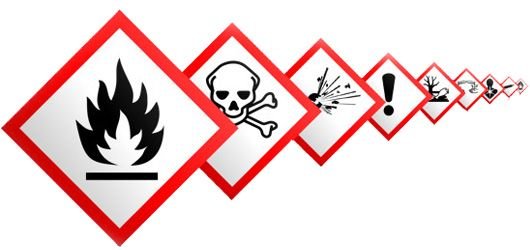
The use of cleaning chemicals and the inherent risks of liquids in a data centre demand strict hazard communication protocols.
3.1 Safe Handling of Cleaning Chemicals
Strict Product Selection: Only approved cleaning chemicals are used. The primary chemical of choice for cleaning sensitive electronic surfaces is often isopropyl alcohol (IPA) .
Safe Application: Chemicals are applied to a lint-free cloth, swab, or wipe, and never sprayed directly onto or into any product . This prevents liquid ingress and potential short circuits. For tough carbon residue, lightly applying 90% or higher isopropyl alcohol with lint-free cloths or swabs is an effective method .
COSHH Compliance: The Control of Substances Hazardous to Health (COSHH) regulations must be complied with. This involves having appropriate safety data sheets for all chemicals, ensuring staff are trained in their safe use, and having spill kits and emergency procedures in place .
3.2 Understanding the Risks of Water and Other Liquids
Water and standard cleaning liquids are a major threat to electronic equipment.
Short Circuits and Damage: Even a small amount of water can create a conductive path on a circuit board, leading to a short circuit, data corruption, or catastrophic equipment failure .
Fire Hazard: Dry lint from standard mops, combined with a micro-arc or localised overheat on a circuit board, can create a genuine fire risk .
Moisture Damage: Standard cleaning tools like mops and buckets can create a significant static field and introduce moisture into the environment, damaging equipment through latent defects that may not be immediately apparent .
Residue and Insulation: Many standard cleaning products leave behind sticky residues or chemical films. These can act as insulators on cooling coils and heat sinks, reducing efficiency and increasing power consumption (PUE) .
4. Security Protocols: Physical and Operational Security

Data centres are high-security facilities. Cleaning personnel must adhere to strict physical and operational security protocols at all times.
4.1 Access Control and Physical Security
Strict Access Controls: Access to data centre floors and other secure areas is restricted to authorised personnel only . This includes the use of badge access systems, where the date and time of entry are recorded . All visitors, including cleaning staff, must be supervised and monitored unless their entry has been pre-approved .
Anti-Tailgating Policies: Security policies strictly prohibit "tailgating," where an unauthorised person follows an authorised individual through a secured door . Cleaning staff are trained to challenge unknown individuals and prevent this practice.
Secure Areas: Data centres are often located in areas with minimal public signage to avoid drawing attention to the presence of critical IT infrastructure . All openings are secured, and intrusion detection systems are typically in place .
4.2 Prohibited Items and Data Security
Prohibited Items: Policies often prohibit the use of photographic, video, or other recording equipment in secure areas unless specific authorisation is granted by the facility manager . This is to protect confidential infrastructure layouts and prevent data leakage.
Data Security: Cleaning staff must be aware of the physical security requirements related to data protection. This includes avoiding any actions that could compromise the integrity of IT systems, such as unplugging cables or touching internal components .
4.3 Background Checks and Training
To ensure a high level of trust and security, cleaning personnel are often required to pass rigorous background checks as a condition of employment . They are also trained in security protocols, including how to report suspicious activity or potential security breaches . By integrating cleaning, security, and engineering under a single strategy, facilities can create a Total Facilities Management (TFM) framework that ensures each activity supports the others .
.svg)