Module 2: Contamination Sources and Contro
This module equips students with the knowledge to identify where contaminants originate and how to implement effective control strategies within a data centre environment. Understanding these sources is the first step toward establishing a robust contamination control program.
1. Primary Sources of Contamination
Contaminants in a data centre originate from two primary vectors: external sources that infiltrate the facility and internal sources generated by operations and personnel within it . Understanding the pathways of contamination—whether airborne, surface-based, or cross-contamination through movement—is critical for implementing controls .
1.1 External Sources: The Threat from Outside
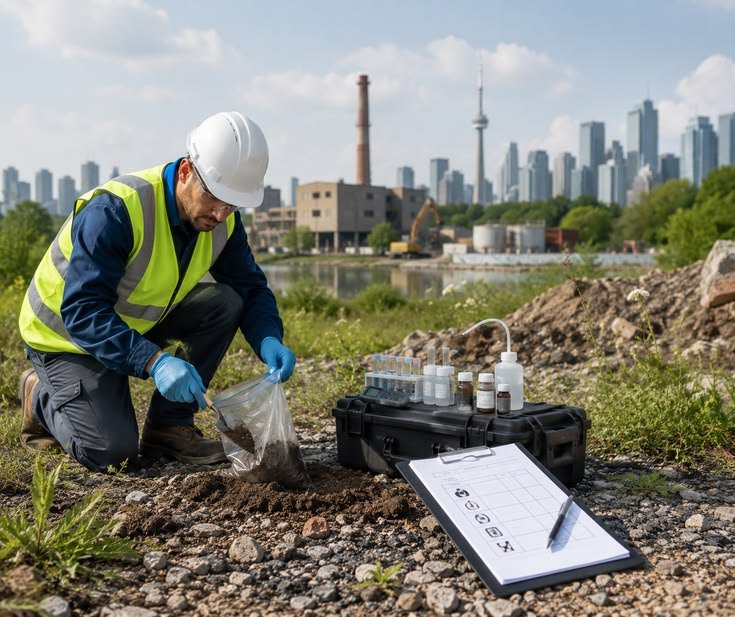
External contaminants are introduced into the data centre environment primarily through air intake systems and personnel movement. These include:
Atmospheric Particulates: Pollen, air pollution, construction dust, and sea salt can enter through cooling systems and doors . In coastal areas, airborne salinity levels pose a specific corrosion risk .
Gaseous Contaminants: Corrosive gases such as sulfur dioxide, hydrogen sulfide, nitrogen dioxide, chlorine, and ozone can originate from industrial processes, automobile emissions, or agricultural activities near the facility . These gases cause corrosion of delicate metal parts and wiring on circuit boards and chips over time .
Infiltration Pathways: The primary entry points for external contaminants are the facility's air conditioning and ventilation systems . Any breaches in the room perimeter—such as columns, cable chases, or gaps in the building envelope—can allow unfiltered air to enter .
1.2 Internal Sources: The Threat from Within
Internal contamination sources are often more significant and are generated by the facility itself, its equipment, and its people. Human movement is frequently cited as the single greatest source of contamination in an otherwise clean computer space . Internal sources include:
Personnel: People introduce lint from clothing, skin particles, hair, and fibres . Even respiratory droplets and proper movement can disturb airflow and introduce particles .
Facility Infrastructure:
Zinc Whiskers: These are microscopic, conductive metal filaments that grow on zinc-electroplated steel surfaces, such as the underside of raised access floor tiles, ceiling bars, and other metal components. If they break off and become airborne, they can cause shorts when they contact circuits .
Ferrous Metal Particles: Come from worn parts in HVAC units, new floor tiles, conduit pipes, and various mechanical parts. Being conductive, they can cause electrical damage to circuit boards .
Concrete Dust: Unsealed concrete releases fine dust consisting of calcium, silica, and other by-products that are both abrasive and corrosive. Even sealed concrete can break down over time and requires regular inspection .
Equipment and Operations:
Packing Materials: Cardboard and paper fibres shed from packaging materials are a common source of lint and dust .
Process-Generated Particles: Paints, sealants, and lubricants used in facilities management or maintenance can out-gas harmful contaminants. Inappropriate cleaning practices can also degrade the environment .
2. Key Contaminant Types and Associated Risks

Understanding the physical and chemical properties of contaminants is essential for assessing their risk to hardware. Contaminants act through various mechanisms: physical interference, corrosive failure, electrical shorts, and thermal failure .
2.1 "Hidden" and Cumulative Damage
Many contaminants are microscopic and cannot be identified through routine visual inspection alone. Fine particulates, corrosive residues, and metallic dust may remain within airflow pathways or inside equipment housings, continuing to create operational risks long after surfaces appear clean . The accumulation of dust creates an insulative layer on hardware components that leads to heat-related failures, while the premature clogging of filters restricts airflow and induces internal overheating .
3. Principles of Contamination Control: Creating a "Clean Zone"

Contamination control is a system, not a single action, that combines engineering, operational, and validation controls to protect the critical environment . Achieving a "clean zone" requires a multi-layered approach.
3.1 Engineering Controls
These are physical and mechanical systems designed to control the environment.
Positive Pressure Control: Data centre server halls are maintained at a positive air pressure compared to surrounding areas. When doors open, air flows outward rather than inward, preventing external contaminants like dust, hair, and fibres from entering . This constant outward airflow acts as a protective barrier .
Airflow Design: Cleanroom environments utilise laminar (unidirectional) airflow to sweep heat and contaminants away uniformly from server racks. This prevents dead zones and eliminates hotspots where dust can accumulate and cause server stress . Good design includes hot aisle/cold aisle containment to prevent hot exhaust air from mixing with cold intake air .
3.2 Operational Controls
These are procedures and protocols governing how personnel interact with the environment.
Proper Gowning and Personnel Hygiene: Personnel procedures are critical, as human activity is a major source of contamination. Appropriate attire and correct movement patterns minimise the shedding of skin cells, hair, and fibres, and prevent disruption of airflow .
Access Control: Strict access control ensures that only authorised personnel enter the critical "White Space." This reduces the introduction of external contaminants and ensures that those entering are aware of and follow contamination protocols .
Specialist Cleaning Protocols: Cleaning in a data centre must use specialised equipment and methods to avoid creating new contaminants. For example:
HEPA-filtered vacuums are mandatory to remove microscopic dust without expelling particles back into the air .
Anti-static wipes and Electrostatic Discharge (ESD)-safe tools are required to prevent static discharge, which can damage sensitive components .
Non-shedding materials are required, as standard cellulose (paper/cotton) wipes break down under friction, releasing microscopic fibres—literally creating new contamination .
Nonionic cleaning solutions that leave no electrically charged residue are used, as ionic residues can become conductive in humid conditions and cause short circuits .
Controlled Cleaning Sequencing: Cleaning is sequenced zone by zone and often scheduled during maintenance windows. This minimises disruption and ensures that work is aligned with industry standards like ISO 14644-1 and ASHRAE TC 9.9 .
3.3 Zone-Based Servicing and Documentation

Effective contamination control requires a structured approach. Cleaning teams must understand airflow dynamics and the importance of zone-based servicing . All work is governed through a clear and structured set of processes to ensure safety, compliance, and operational continuity.
Standard Operating Procedures (SOPs): Detailed instructions for performing cleaning tasks.
Emergency Operating Procedures (EOPs): Protocols for responding to spills or contamination incidents.
Local Operating Procedures (LOPs): Site-specific instructions .
All cleaning activities are documented to provide a full audit trail. This documentation serves as proof of a well-maintained facility, which is crucial for both warranty claims and compliance audits.
4. Air Filtration Systems: The Role of HEPA and ULPA Filtration
Air filtration is the primary engineering control for maintaining air quality. While data centres are not traditional cleanrooms, they increasingly utilise cleanroom technology to protect high-density server environments .
4.1 HEPA and ULPA Filters
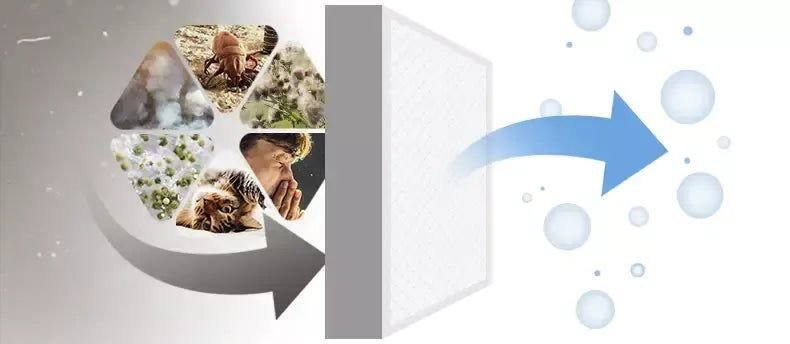
HEPA (High-Efficiency Particulate Air) Filters: These filters are capable of removing up to 99.97% of airborne contaminants and trapping particles as small as 0.3 microns . They are standard in critical data centre environments.
ULPA (Ultra-Low Penetration Air) Filters: For ultra-sensitive environments, ULPA filters provide even higher efficiency, capturing a greater percentage of sub-micron particles .
4.2 Filtration Strategies and Maintenance
Multi-Stage Filtration: It is common practice to use a staged approach. For example, MERV 8 filters capture larger particulates, while MERV 13 filters remove fine particulate matter. For sensitive environments, activated carbon or permanganate-impregnated media can be used to mitigate volatile organic compounds (VOCs), ozone, and corrosive gases such as hydrogen sulfide and sulfur dioxide .
Testing and Certification: HEPA filters are required to be tested in situ after installation and at least annually. This testing detects leaks in the filter media, gaskets, or housing that could allow contaminated air to bypass the filter. Performance in the field can differ from factory-tested efficiency due to damage during transport, poor installation, or aging .
System Design: The in-room process coolers re-circulate room air. Air from the hardware areas is passed through the units where it is filtered and cooled, then introduced into the subfloor plenum. This design means that air is filtered much more often than in a standard office environment . Proper airflow management and filter maintenance directly reduce the risk of hardware failure and support long-term reliability of mission-critical operations .
.svg)