
6.1 : Introduction

The easiest way of learning
how to give a professional facial massage is to practise
as much as possible.
Start with friends of family members and practise your new trade and with time your confidence and skills will grow.
Then when you have learned the basics you can begin to attract clients and promote yourself as a business.
If you work for a health spa they will give you in-job training,
giving you the chance to earn whilst
you learn.
Our guide offers a friendly,
fast and efficient
way to learn all you need to know about massage therapy.
Many of your future clients
will come to you for pampering treatments and for the various health
benefits you can give them with a facial massage.
People usually have 2 facials per month minimum to maintain the radiant, healthy looking skin.
If you can learn the trade well and
give clients a great experience, they will come back for more. Follow these steps to ensure you are doing
everything possible to make them happy and satisfied with your service.
6.2 : Consultation

A facial massage procedure
should always begin with a consultation with your client.
You must ask them about their diet, their current
concerns or problems
regarding their skin, do they take any prescribed medication
or supplements.
All of these things will effect what type of skin care is suitable
for your client.
6.3 : Skin analysis
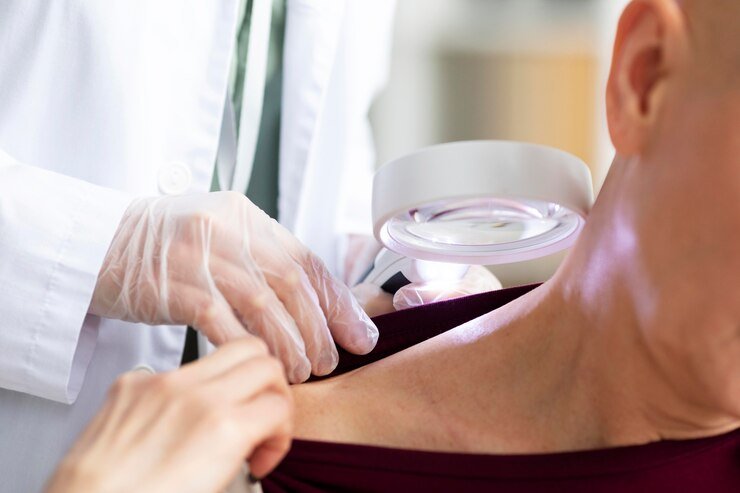
This is the part where you examine the client's skin.
Start by covering
their eyes and use a magnifying lamp to examine.
One must identify the person's
skin type- is it sensitive,
normal, dry, oily, or a combination? Do they have such skin conditions as acne, whiteheads, aging, sun damage, black heads or dehydration?
You must learn how to identify what products and treatments will suit them most as this stage.
6.4 : Cleansing
.jpg)
At the start of any facial procedure
or therapy one should always
clean the area of any dirt.
Cleaning the area will get rid of any oil or chemicals
and will open up the pores of skin on the face. To give your clients perfect skin you must be able to give them a perfect procedure
so also wash your hands before doing anything else. Begin by rinsing the client's facial area with warm water- but not too hot as you can break capillaries, if the water is too cold then the pores of skin will close up.
Then apply cleanser by putting an ample amount on the skin and work into the area using your fingertips with a small circular motion.
Start this process
at the bottom of the face and move upwards for an anti-gravity lift. Circular motions can exfoliate
your skin gently and increase
blood flow, opening up pores for maximum cleaning potential.
Then rinse the skin again with warm water and pat dry the skin with a dry clean towel.
6.5 : Toning

This is the next integral
part of the routine. You cannot skip this part or any other if you wish to give maximum results.
Toning the skin closes pores and gets rid of any last traces of dirt that cleansing may not have done. Different toning creams will have different
active ingredients and individuals will request different
things. Anti-acne or anti-aging ingredients are usually the most common.
Apply toner directly
after you have completed the cleansing so it can penetrate the skin deeply so the active ingredients can get to work. They active ingredients will also work throughout the rest of the day.
Use simple methods
like cotton ball application, use the cotton to apply toner and start at the neck line and work your way up the facial area. Do this one hand at a time for accuracy and to make sure you get every part of the client's skin.
6.6 : Facial Mask

Facial masks are another
standard procedure in facial therapy
and massage.
They help maintain
skin by deep pore cleaning,
eliminate dead skin cells and balance PH levels. Instead
of letting a mask go hard and crack it is better to let it stay moist with steam.
The steam opens up pores and lets the mask run deeper into the skin. One can make your own powdered masks to experiment with when you are beginning
to learn, this offers a natural solution
that is effective and not expensive.
The use of fresh ingredients will also have better potency.
Try creating a paste with water and other ingredients such as coffee for anti-aging properties, honey for dry skin problems, bananas
for acne,apple cider vinegar
for oily skin..the list is endless and you can experiment to come up with your own ideas. One should apply the mask to client's facial area with fan brush or finger tips. Then leave the mask on and allow them to relax for 15-20 minutes and wash off their face. Dry the skin gently with towel.
6.7 : Effleurage
This is a popular
type of massage that hails from Sweden massage therapy and facials.

It is a common and very effective
practise to learn and can be used on different
parts of the body as well as face. Pressure
and speed will vary upon the surface
being treated and depends on what you are trying to achieve. Superficial effleurage is a type of facial massage that is light and relaxing.
Starting and ending a facial massage with lighter pressure
gets your client
accustomed to your touch and also prepares
them for the end of the massage.
This method can also be used between
other types of strokes to soothe the intensity of deeper methods.
One will usually apply massage oil before superficial effleurages using a hand over hand motion or gliding movement.
Deep effleurage uses more pressure
and aims to broaden and stretch muscle tissue and always follows the natural
direction of facial contours.
Facial procedures are not considered
fully effective unless one has given a thorough facial massage. This part helps the client relax mentally
and physically and will heighten
their enjoyment for the rest of the facial procedure.
6.8
Simple techniques to remember

Massaging around the chin
Always start with hands on both sides of the person's face using palms and finger tips.
and work up towards the forehead then glide back down in a light manner. Pressure
should be kept constant but firm. The emphasis of the movement
should be pressure
upwards on the face and then ease off coming back down.
Massaging around the forehead
Start by placing your fingertips in the middle of the individual's forehead.
Press firmly and ask client
if they are comfortable, keep pressure applied
then glide your fingertips out to the sides. Next lift your fingers off and return to the starting position.
This movement is aimed at relieving tension
in the forehead.
Massaging around the eyes
If using massage oil be careful to use minimal around these areas to avoid getting in your client's eyes. Place finger tips directly
at the side of the eyes and massage the bony part of the eye socket.
Begin with your fingers to work over the brow and down to the centre of their nose. Then go under the eyes and back to the starting
position. This is effective at reducing symptoms
of eye strain and massage oil can improve skin around the eye area.
Massaging cheek bones
Start with your fingers close to the person's nose and place your hands on the inner part of the cheek.
Use small circular motions to apply pressure
across the cheekbone
and toward the ears.
Move toward and around the temporo-mandibular joint and then back towards starting position.
This can tone one's cheek muscles and help relax the area after a person has been making facial expressions all day.
6.9 : Facial Massage
Recommended Massage Oils

The very first step before a facial massage involves cleansing the face using a good scrub.
This helps eliminate
dead cells and exfoliates the skin. Use good quality
massage oil that is able to provide adequate lubrication while massaging; this helps minimise
the possibility of pulling and stretching the facial skin.
The choice of massage oil plays a crucial role in the efficacy of the facial massage. Sweet Almond oil is one of the most popular oils used for facial massage. Almond oil is full of proteins, vitamins
A, D and E as well as healthy fats. Massage therapists use almond oil for its non-greasy texture,
high absorption and non-comedogenic nature (this means that sweet almond oil does not cause clogging
of pores). Hence, you can use sweet almond oil to cleanse,
moisturise and tone the skin (even sensitive
skin). It's also known to make the skin smoother,
more supple and softer and helps treat chapped, dry skin.
Sweet almond oil helps nourish dull, sagging
skin by facilitating improved hydration. The skin is able to retain more moisture, thus helping it look younger
and firmer.Almond oil is also great for dark circles and puffy eyes.
Coconut oil is also recommended for facial massage
therapy. Coconut oil is rich in vitamin
E and fatty acids including
lauric acid and capric acid. It's often called 'wonder oil' due to its effective anti- oxidizing, anti-fungal and anti-bacterial properties. Coconut oil i
extremely beneficial for
face massage as it has a high saturated fat content. This makes it a great moisturiser; the vitamin E helps soothe skin irritations.
Coconut oil is very effective
in the treatment of rashes, burns and itchiness. It's also used as base oil in the manufacture of creams and lotions. You can safely blend coconut oil for massage purposes
with other oils such as lavender oil and jasmine oil. Coconut oil also promotes skin regeneration, improves
flexibility and boosts internal moisturising.
6.10
: Therapeutic Benefits of Facial
Massage

A massage
helps bring about natural, lasting
effects.
Facial massages are often considered anti-ageing treatments because
the treatment lifts your skin and imparts a healthy,
youthful glow. It helps improve muscle tone and also balances facial skin moisture,
leaving skin naturally
hydrated.
Facial massage is also known to eliminate
toxins, stimulate collagen production and improve radiance.
Wrinkles and lines are often the by-products of compressed, undernourished skin. Facial massages
help reduce inflammation and swelling (which is the most cause for puffy looking skin) and paves the way for optimal facial health.
With a healthy flow of oxygen and blood to facial muscle
tissue, your face is less likely to show premature
signs of ageing in the form of fine lines, wrinkles and puffiness.
Module Summary
In this module you have learned how to give a proper facial massage
and learned the different techniques.
You now understand
that a facial massage should always begin with a consultation so you can be assured of what the client wants /needs. You now know how to analyse
and massage different
parts of the face, we have explained
the benefits of a facial
massage.
We have also discussed face masks, products
you can use when giving a facial massage and skin toning.
 |
.svg)



