
11.1 Introduction
Prior to looking at the normal kind of destinations both in the UK and worldwide, we will spend time looking at an area that is really emerging in the market, the concept of ecotourism.
The reason why we are focusing on this is simply because it gives you an insight into how a specific form of tourism can work and the reasons why people focus on certain aspects of travelling. We could have done the same with volunteering abroad or travelling to visit historical ruins and tours, but ecotourism is undoubtedly something that is on the rise.
11.2 What We Mean by Ecotourism
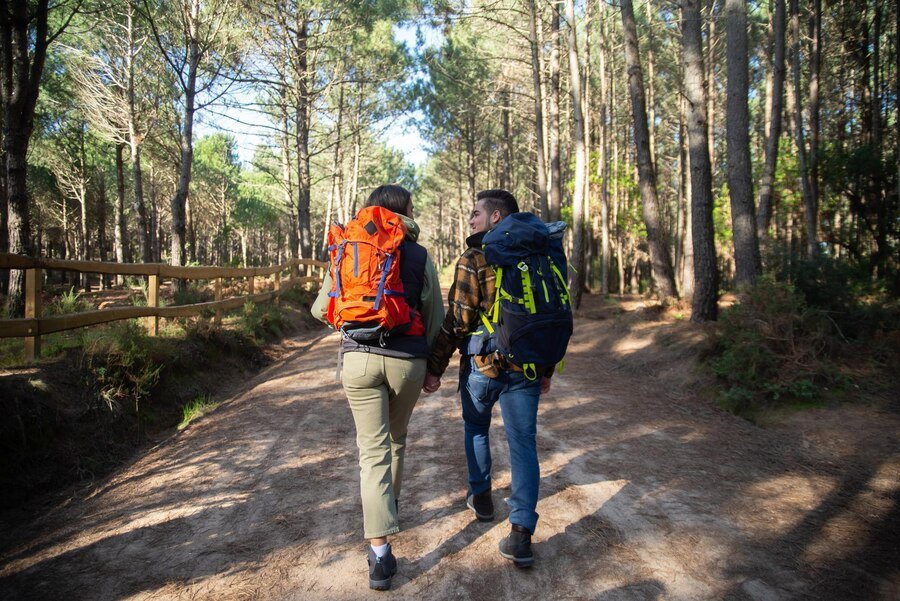
Even though we are just using ecotourism as an example for specialist tours, we do still need to provide a better explanation as to what is meant by the term in the first place. The basic idea of ecotourism is visiting certain parts of the world to either check out conservation projects or even to get involved in them. In other words, it is about more than just travelling to a part of the world in order to see how beautiful it is.
There are some that state that travelling in order to observe nature and wildlife in their natural habitat also falls under ecotourism, so it is important for you to also keep that in mind.
However, some people will take this form of tourism even further.To some, it is also about sustainable travel or even getting involved in local communities that live in and around parts of the world that are perhaps more delicate in nature to other locations.
In other words, this is not about sitting on a beach and soaking up the atmosphere or the weather, but rather this type of tourism is about getting involved in things and trying to make some kind of a difference in the area. As you can perhaps begin to understand, this is going to result in some rather specific requests on your part and it is important for you to know what to expect from people travelling for these different reasons.
Ecotourism is seen as being a real burgeoning part of the tourism industry due to the way in which people believe they can make a difference while, at the same time, also experiencing another part of the world and a different culture.
Furthermore, it is regarded as being responsible for what is seen as being the gradual greening of the entire tourism industry, although there is clearly still some way to go before that will happen. In short, ecotourism can best be described in the following ways:
*It is about sustainable travel.
*It is about getting away from the main tourist areas.
*It is about helping the bio-culture.
*It is about helping nature and the cultural heritage of different parts of the world.
As you can see, this type of tourism is different from the normal kind of trip which tends to include soaking up the sun on a beach or, alternatively, staying in those vast tourist resorts or destinations where the actual essence of the location has been lost in the various hotels and tourist attractions that have sprung up as a direct result.
It is then quite easy to see why ecotourism has indeed become rather popular, but we also have to look at who exactly are eco-tourists as we can use the same basic principles for various other types of specialised trips.
11.3 The Reasons Why People Get Involved in This Type of Specialist Tour

It should become pretty apparent as to why people get involved in this kind of specialist tour and yet it is also going to be up to you to understand their reasons to make sure that you are able to provide them with everything that they are looking for.
You must remember that the individual that gets involved in this type of tourism will do so for reasons that go beyond taking nice photographs for their album back home. Instead, there is a real sense of them wishing to become involved in the sustainability of a location or part of the world and to feel that they are able to do something to help. Later on in this module we will also cover other aspects of more specialist tourism as this is certainly something that is increasing in popularity.
Eco-tourists can perhaps best be described in the following way: they cover all kinds of ages, interests and backgrounds, although the main thing they have in common is a joint interest in helping the environment in some way and an awareness of the environmental damage that is caused by other forms of tourism.
Keeping that in mind, the key reasons why people turn to specialist tours and trips can best be summed up as follows:
It provides an authentic experience.
You need to realise that this kind of tourism is going to provide the individual with an authentic experience of a certain location and this is something that is extremely important especially when so many destinations feel as if they are too commercialised. People are being driven more to those places that are harder to reach, and they require businesses or service providers to get them to those hard-to-reach places simply because they want to get off the beaten track and experience something that is real.
It helps the local community.
There is often a sense of there being some volunteering going on with this particular type of tourism simply because of the way in which it is seen as helping the local community. Yes, some may argue that normal tourism does this as it boosts the local economy, but a number of people feel that it takes things away from the actual real charm of a place.
Ecotourism is more about getting away from the maddening crowds and helping the real people there.
It helps the environment.
There is no doubt that people that go on this kind of tour believe that they are helping the environment. That is why people are so determined to find those places that have perhaps been damaged in some way or where they are more likely to get involved in a project that will make some kind of tangible difference.
The tourists believe in sustainability.
This word 'sustainability' is important because of the reasons why individuals become involved in this kind of tourism. They believe in sustainability in a number of ways from not only cultural, but also economic and social. They believe in keeping the local community running and doing so in a fair manner whereby there is a balance between them benefiting from tourism, but at the same time not being swamped or destroyed.
They believe in travelling with a minimal carbon footprint.
This has to be one of the most important things that you have to keep in mind when you are dealing with an eco-tourist: they want to get to their destination with as small a carbon footprint as possible. Basically, this means they need to get there in the most fuel efficient way. This is where your ability to piece together how to get an individual to a destination is going to really come into play because without this they are going to be rather reluctant to go on the trip in the first place.
As you can see, there are a number of reasons as to why people would become involved in ecotourism. However, others may see these reasons as also being some form of special request and it is important for you to be aware of how you deal with those special requests in the first place.
FACT
Hotels and tour operators around the world such as Marriot, Hilton, Intercontinental Hotel Group and Accor have been responding to this wave of interest in ecotourism by appointing senior management positions to oversee sustainability practices in their business operations.
Source: Eco-business.com
11.4 How to Deal With These Special Requests

So now that you have a better understanding of what we mean by ecotourism and the reasons behind people taking part in this type of tourism, we need to look at how you deal with the special requests that they will tend to have when arranging this type of tour.
This is about making sure that they are more than happy with how they get there, where they are going, where they are staying, and anything else that makes up their own tour package. However, this really does come down to your own ability to understand with what they are looking for mixed in with knowing how to deliver their needs and wants.
Be prepared to have some specialist knowledge.
This is about more than just giving them what they want on this kind of tour as it stands to reason that you should also have some of your own specialist knowledge about ecotourism. They want to have an individual who seems to have some kind of an interest and is at least aware of what they would be looking for. Also, due to the way in which this market is growing it also stands to reason that this would be the perfect opportunity for you to develop your career simply because of the way in which individuals are willing to pay a bit more to have these kinds of experiences.
Listen to the customer very precisely.
One thing that you should know about this kind of specialist tour is that the individual you are dealing with is going to have spent some considerable time thinking about it in their own right. They know what they are looking for. They know where they want to go and they know what they want to experience. All they ultimately require from you is to deal with the logistics to get them there as they can pretty much do the rest. However, it does mean that you are required to listen intently to make sure that you actually do supply them with what they are looking for.
Ask as many questions as you need.
It is always best to ask more questions than you perhaps need to ask just to make sure that your customer is going to be more than happy with their trip. Also, do not be afraid to ask the same question on several occasions if you have to double check things because the intricate details of the trip are more important in this instance than you may be used to with other customers. The individual that is an eco-tourist will be quite content to make sure that they get what they want even if that means they need to deal with question after question.
If you do not know the answer, deal with it.
There may very well be times where you do not know the answer to a certain question as it is clearly impossible to know everything. However, that is not to say that you are going to fail when dealing with this kind of request. Instead, people that are intelligent enough will understand that not everybody can know every single thing about every single destination, especially when we are dealing with something that is so specialised in the first place. It is how you deal with it that is the key because if you are honest and tell them that you have no idea and that you will find out as soon as possible, then that will usually suffice.
Dealing with this kind of specialist tourism is something that you need to get used to because it is an area of tourism that is growing on a yearly basis. Indeed, it is useful to look at what the future may hold for this type of tourism by studying how it has evolved over the years.
11.5 The Future of Specialist Tourism

We finally have to look at what the future may hold for specialist tourism simply because of the role that it could play in your entire career.
There is no doubt that more and more people are becoming aware of these different kinds of holidays thanks to the Internet making it easier to research various parts of the world. Furthermore, people are also becoming aware of the way in which they can take certain interests and indulge in them in other parts of the world and this is certainly becoming far more popular than ever before.
If we look at the history of ecotourism then it gives us some kind of an idea as to what to expect in the future and remember that we can, once again, apply the same principles to other types of specialist tourism that may focus on other interests.
It has only been around since the 1970s.
It is accepted that ecotourism has only been around since the 1970s and that it was born out of the changes to the global approach to the environment around that time. It is a direct result of changing attitudes towards the environment and people becoming more aware, and interested in, being able to do something about it on a personal level while also combining experiencing brand new cultures at the same time.
It took until the 1990s for it to become popular.
Even though it was started in the 70s, it really took until the 90s for it to become popular and it did so around the world. By this point it had diversified into different areas with it becoming closely tied in with how different parts of the world handle their own environmental issues. At this point it became one of the fastest growing sectors within the tourism industry.
20 years further on.
If we now jump forward another 20 years what we see is that this form of tourism has diversified once again. Now it is regarded as being more of an umbrella term that covers a number of different smaller types of tourism, including sustainable tourism, responsible tourism, and even pro-poor tourism where it is all connected to helping improve the life of an individual. Furthermore, some individuals are looking at taking the concept of sustainability and trying to apply it further afield in their lives, including looking for places to stay that adhere to the rules and even eating at specific locations.
This does mean that this form of tourism has changed over the years and it is simply because of the way in which people have taken to this form of tourism mixed in with the way in which the industry itself has reacted.
Indeed, it is now accepted that this is an area that a number of people that work within the travel and tourism industry have to be prepared to deal with in order to provide people with what they are looking for.
This does bode well for the future of this kind of tourism as increased awareness and increased numbers will mean that more of the industry has to change to suit their needs. It is best to see this as the proverbial ball rolling and the industry has to follow their lead, especially with the way in which people can now use the Internet to largely book their own holiday and flights.
11.6 Other forms of specialist tourism
Other forms of specialist tourism that are certainly gaining more popularity are historical tours including even going on archaeological excavations; food tours with people being given the opportunity to learn how to cook certain cuisines and enjoy the local ingredients: cycling tours especially in and around Europe; and walking tours with people travelling to walk long-distance routes in a mixture of achieving an ambition as well as seeing another part of the world.
These specialist types of tours all require certain specialist knowledge on your part in order to give the individual, or group, what they want. As we said previously with the ecotourism part, these individuals are usually very aware of where they want to go and you just have to be able to supply the logistics rather than anything else.
However, as with everything it comes down to your ability to listen to what they want and to then make sure that you can deliver. In some ways, this form of tourism is actually easier to control and organise than those individuals that come looking to go on holiday and have absolutely no idea what they are going to spend or where they want to go. That is why there are now a number of specialist companies that will focus on either going on extreme tours or arrange trips such as those that will help you to trek along the foot of the Himalayas or traversing the Rockies in North America.
Moving into this form of specialised knowledge can certainly lead to a long and prosperous career if you handle it correctly, although being able to build that kind of business is not something that we can look at in any great detail here.
MODULE SUMMARY
With this module we have focused on an example of a specialised type of tourism, although the same principles that we have covered in the module can be applied to all other specialised forms of tourism.
This is certainly a part of the industry that is growing in both size and stature, and being involved in the travel and tourism industry, there is a real need for you to get to grips with these very specific requests.
In the next module we will look at the idea of both long haul and short haul destinations.
.svg)



