
3.1 Introduction

Choosing essential oils can be tricky – not only do you
have to look for high quality pure essential oils, you also need to understand
the health benefits of each oil and the contraindications – if any. This takes time to learn and to fully understand, so expect
it to be a gradual process. For the sake of learning absorption, we've included
a list of some of the popular and easy-to-obtain oils.
Study them carefully and
ensure that you understand the benefits and negative aspects so you would feel
confident in recommending or using these oils. There are a great many oils available but learn each one a little at a time so you do not feel overwhelmed
by the amount of information available.
3.2 Bergamot essential oil
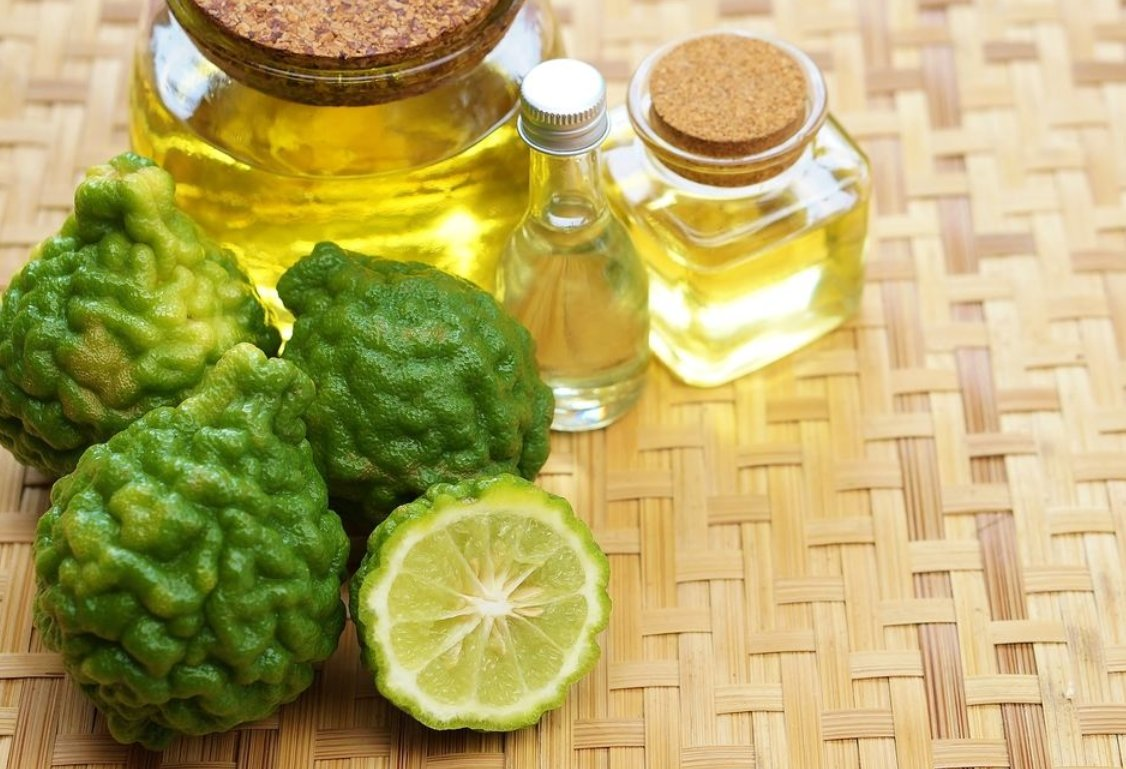
Often a favourite citrus oil, it has a complex aroma
reflective of orange. It is photo toxic however, so you must be careful when using
on the skin, double-check whether your client is likely to be out in the
sunlight or plans to use a sunbed. It is the chemical constituent bergapten
that makes this oil photo toxic. Some varieties will have had this chemical
constituent removed but you would need to check this. The benefits of the oil are that it can be used during times
of sadness or grief and may even aid during times of depression. It is probably
best known for its ability in skin care and in particular, is useful for oily
skin and acne. It can also be used to help alleviate stress, improve psoriasis, boils, abscesses, itching, and for cystitis.
3.3 Basil essential oil
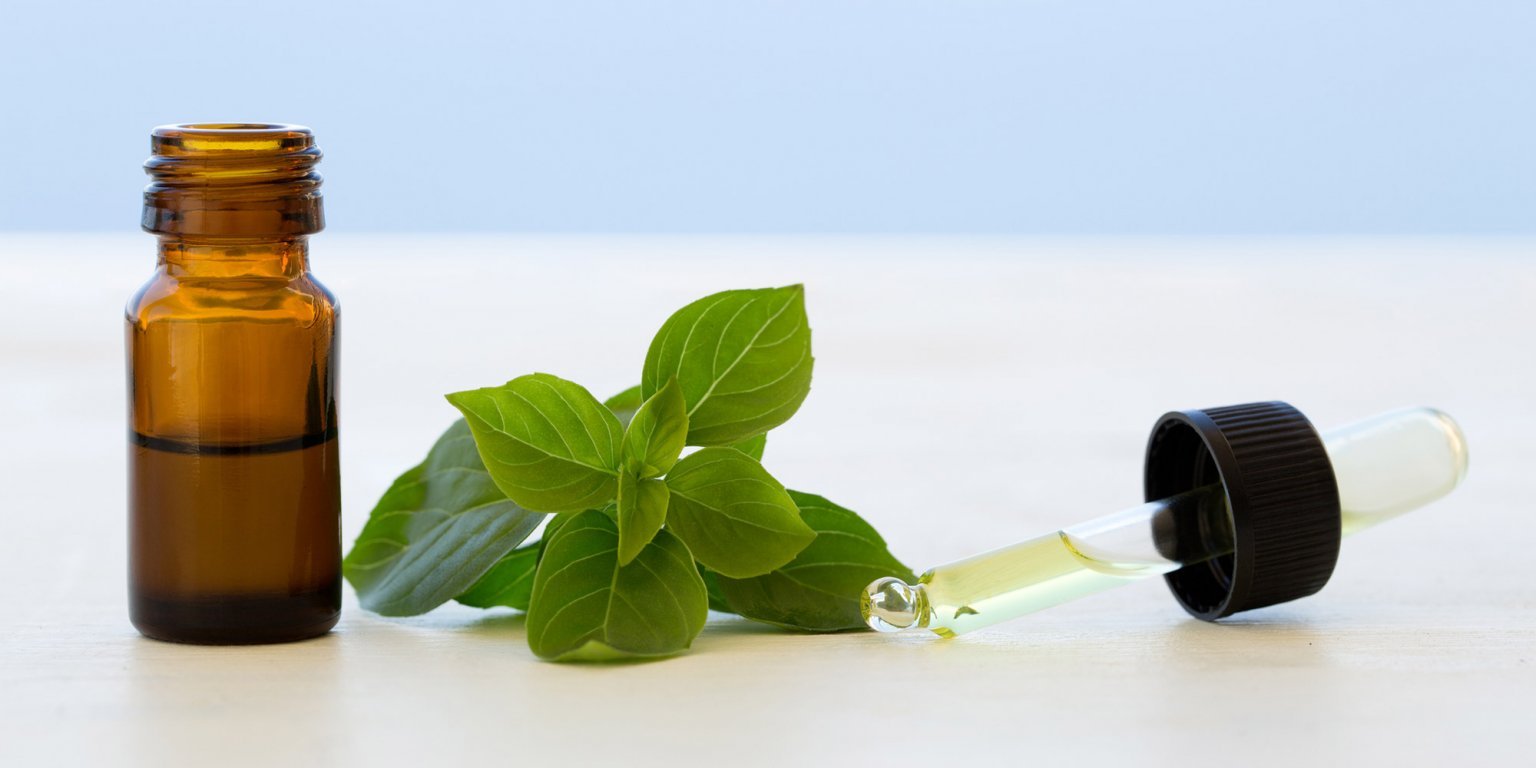
Your client needs a stimulating oil to improve
concentration and focus, basil may be a good essential oil to use. It is highly energising. Best used during the morning, it
will help keep the client alert for longer. It's rarely used alone as it can be
overpowering and so will often be found as part of a synergistic blend. It is
worth looking for an oil with a substantial percentage of linalool but one that
is weak in methyl chavicol as this may be carcinogenic. It can be used as an insect repellent, to help ease
headaches and as it has antibacterial and anti-viral properties, can also be
used as an expectorant. Other uses include: rheumatism, exhaustion, flu, insect
bites and aching muscles.
3.4 Clary sage essential oil
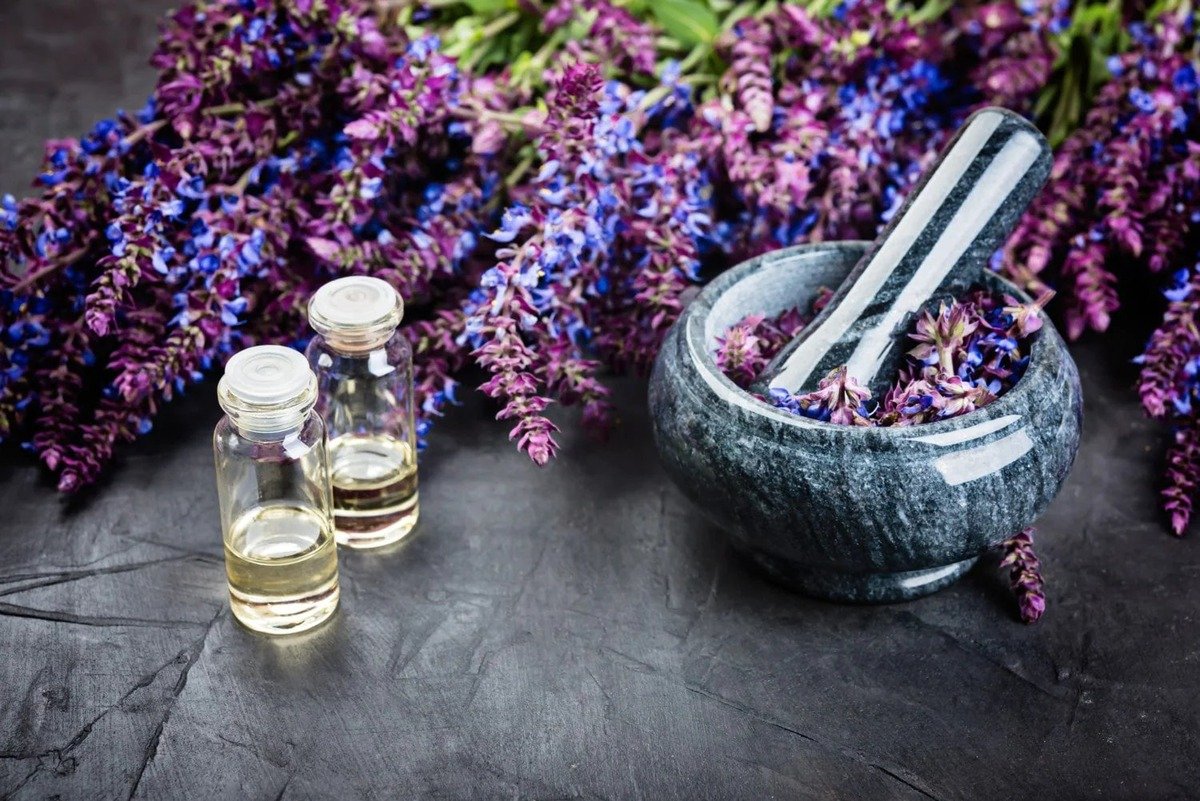
Clary sage has many uses - sore throats, stress,
exhaustion flatulence, coughing and asthma but there are known known hazards
for this oil when steam distilled and driving or drinking alcohol should be
avoided when using this oil as it has a possible narcotic effect. In addition, there is some discussion that it has an
oestrogen effect and so those women who have breast cancer or, are at risk of
breast cancer should avoid this oil. This is not backed up with scientific
research but it could have a spasmodic effect on the uterus and so should not
be used in pregnancy.
3.5 Eucalyptus essential oil
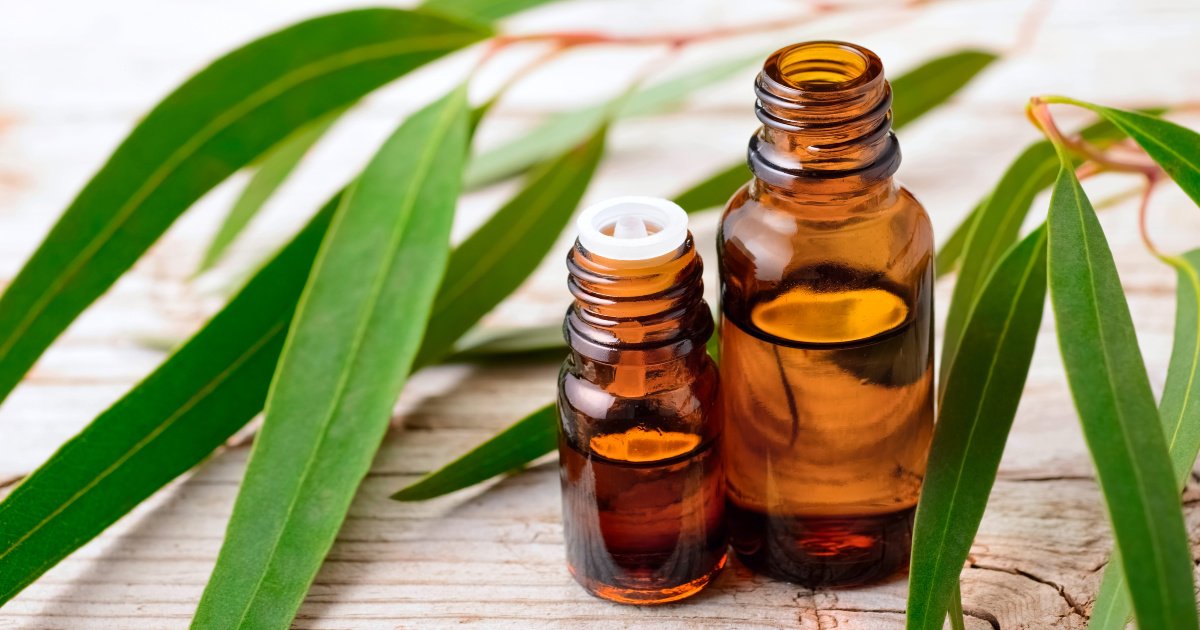
It has a fresh medicinal, woody scent and can be used
successfully for conditions of bronchitis, for colds, coughing, flu or fevers. It is also useful for those with sinus problems or poor
circulation. Do not use this oil on or near the face of any children
under 10 years of age.
3.6 Fennel oil
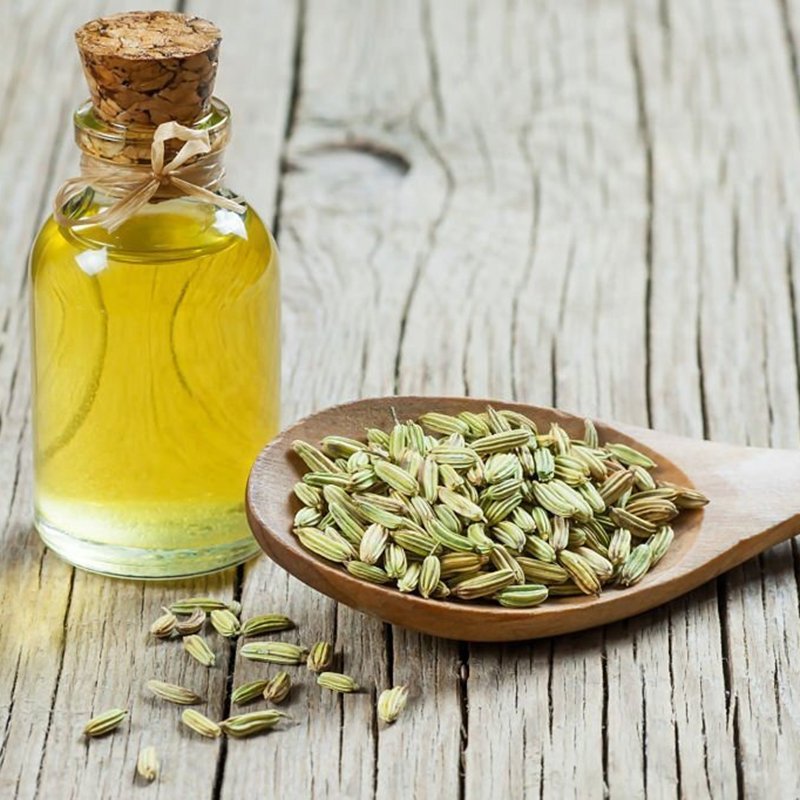
Fennel can be used in a number of ways – for bruises,
cellulite, where flatulence is present, nausea, obesity, water retention and
where there is a build-up of toxins. Can also be used to help halitosis. It is worth noting that
fennel essential oil may interact with prescribed medication and so, it is
worth checking with your client before recommending this oil. It may also
prevent blood clotting. Do not use the oil topically if it has become oxidized as
this increases the chances of a reaction on the skin. Contraindications include pregnancy, breastfeeding, cancer
(oestrogen dependent) endometriosis and also, avoid giving to children under
five years of age.
3.7 Frankincense essential oil
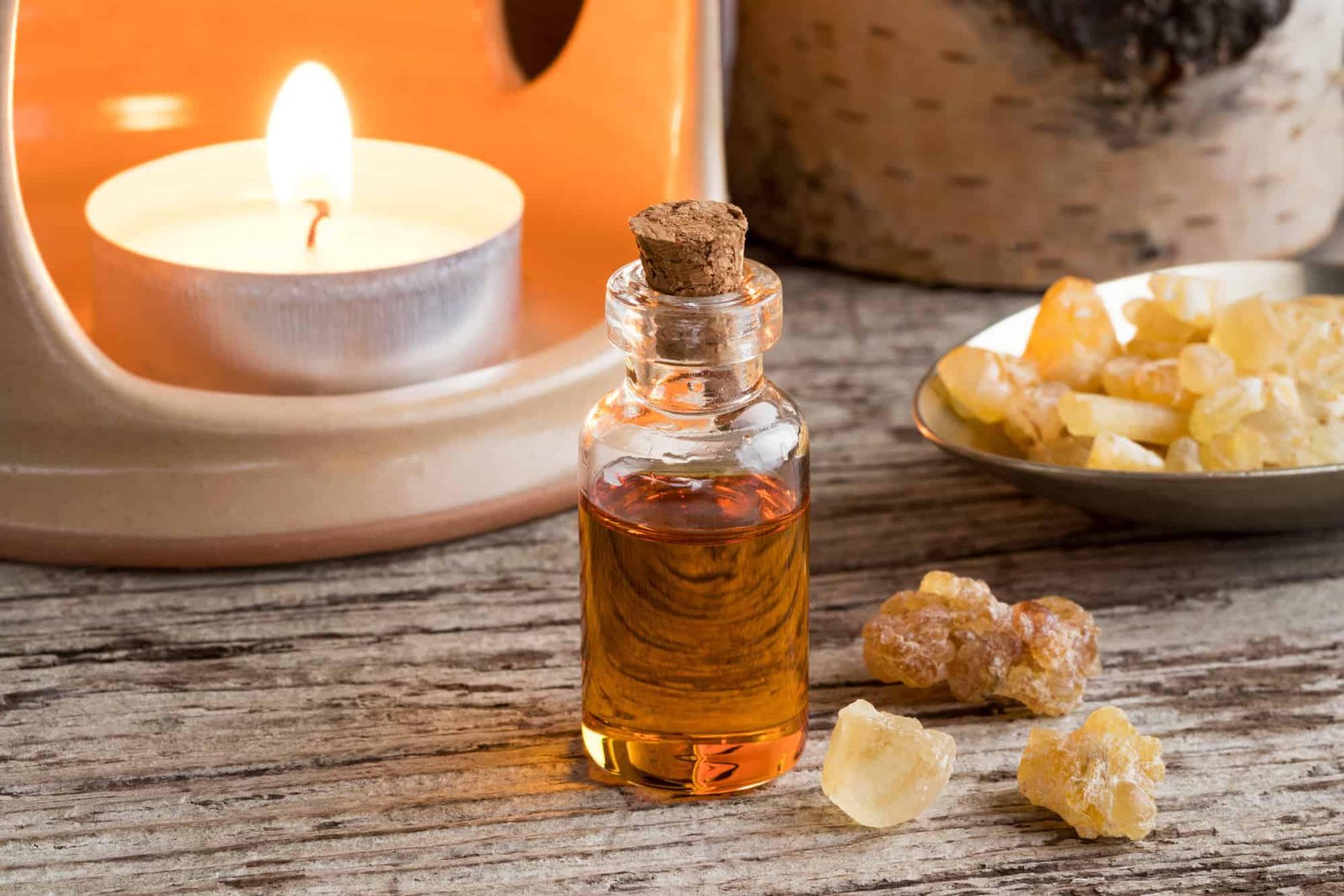
This oil is often used for spiritual rituals or in the
perfume industry but it can be invaluable for those times when there are
respiratory problems i.e. coughs and it is invaluable as an expectorant. It has quite a grounding effect and can help with relaxation
and stress relief. It is not sedative. They extract the oil through steam
distillation from the frankincense resin. It can also be used to heal scars and stretch marks and to
aid stress relief. Be careful not to use the oil if it is oxidised. It can
increase the potential for skin sensitisation.
3.8 Geranium essential oil
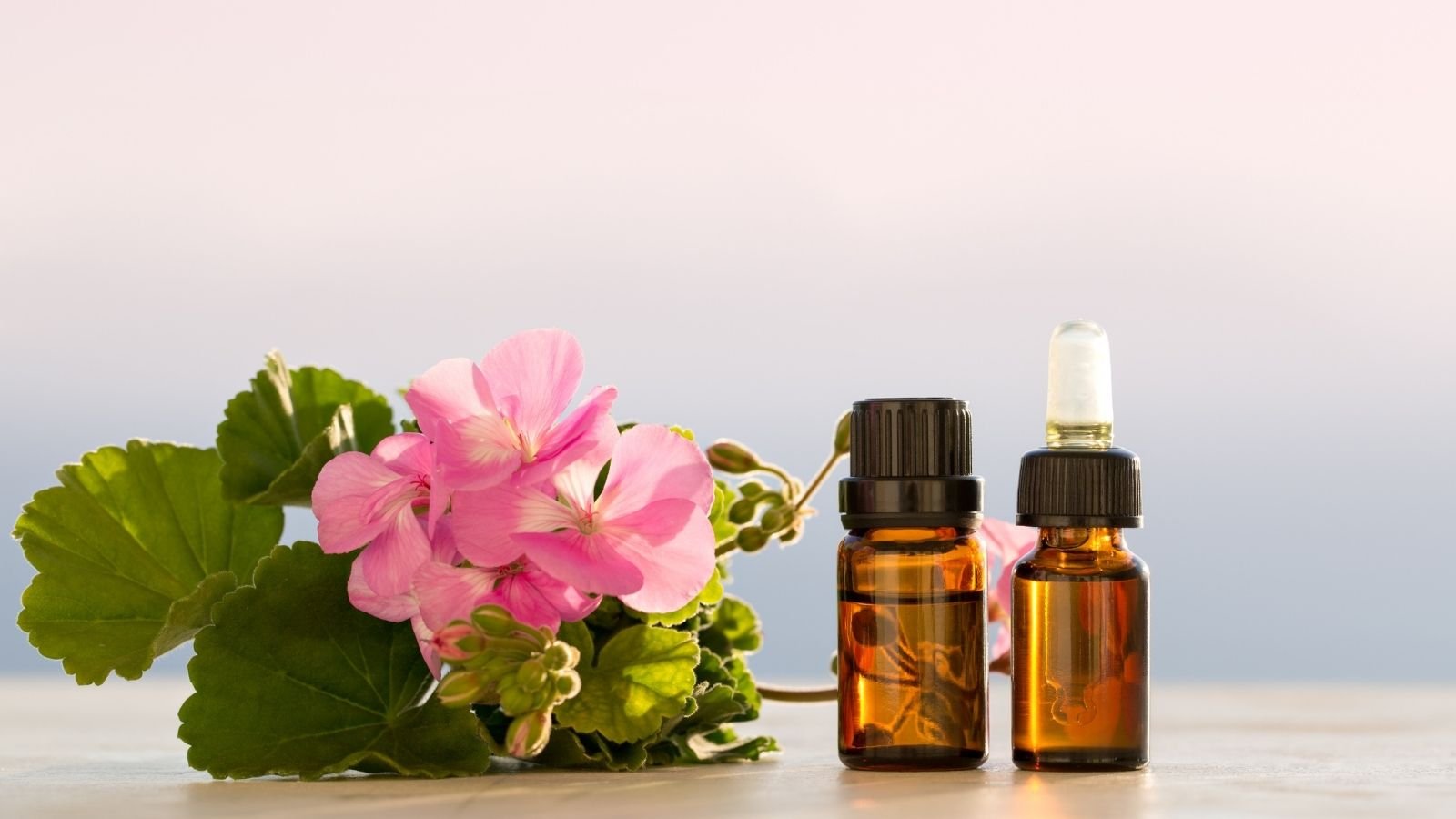
This is a fresh, floral and sweet aroma helpful for those
experiencing the menopause and for those who have dull skin, acne or oily skin. It can also be used in the prevention of lice. There is a
low risk of skin sensitization so ensure thoroughly diluted and insist on a
skin test before use.
3.9 Ginger essential oil
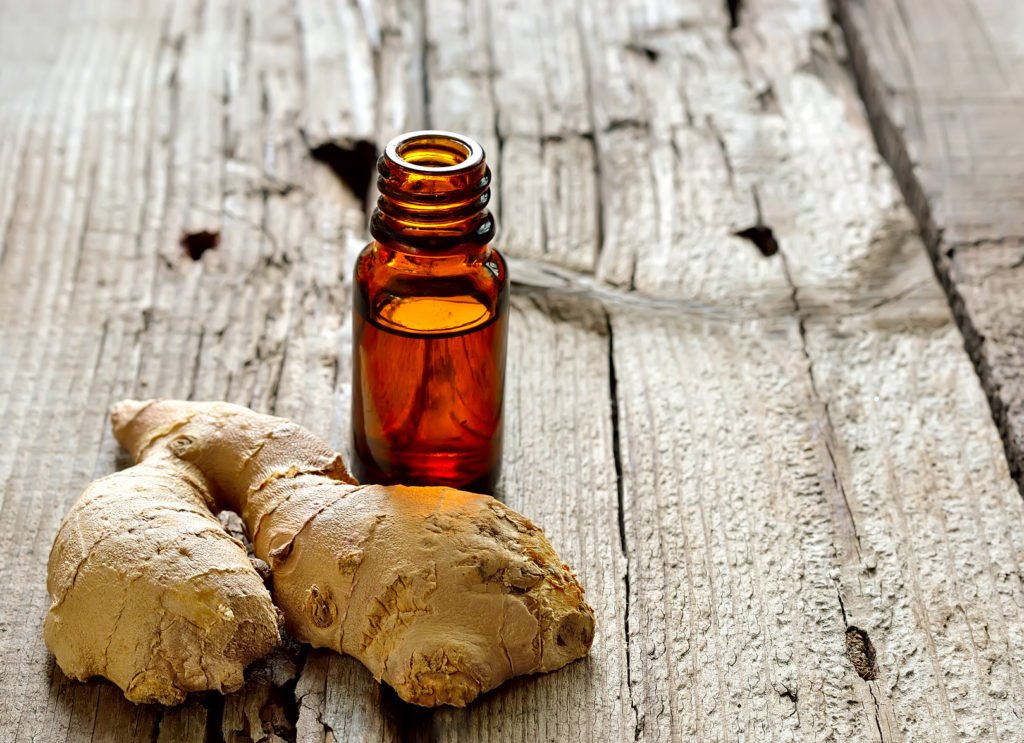
The quality and aroma of ginger essential oil may vary
depending on the distillation type and also quality of the root. It is useful in blends and aids circulation. It's excellent
for arthritis sufferers in massage and for general aches and pains. Ginger has
long been known to help ease nausea and even travel sickness if used in a
diffuser. It is the perfect oil for the winter months although it can be used
all year round, combining it with spicy oils or citrus oils. It can be energising
and uplifting but it is also known as an aphrodisiac. Ginger essential oil is mildly photo toxic. So check that the client is not going to be out in direct sunlight or using a sun bed.
3.10 Grapefruit essential oil
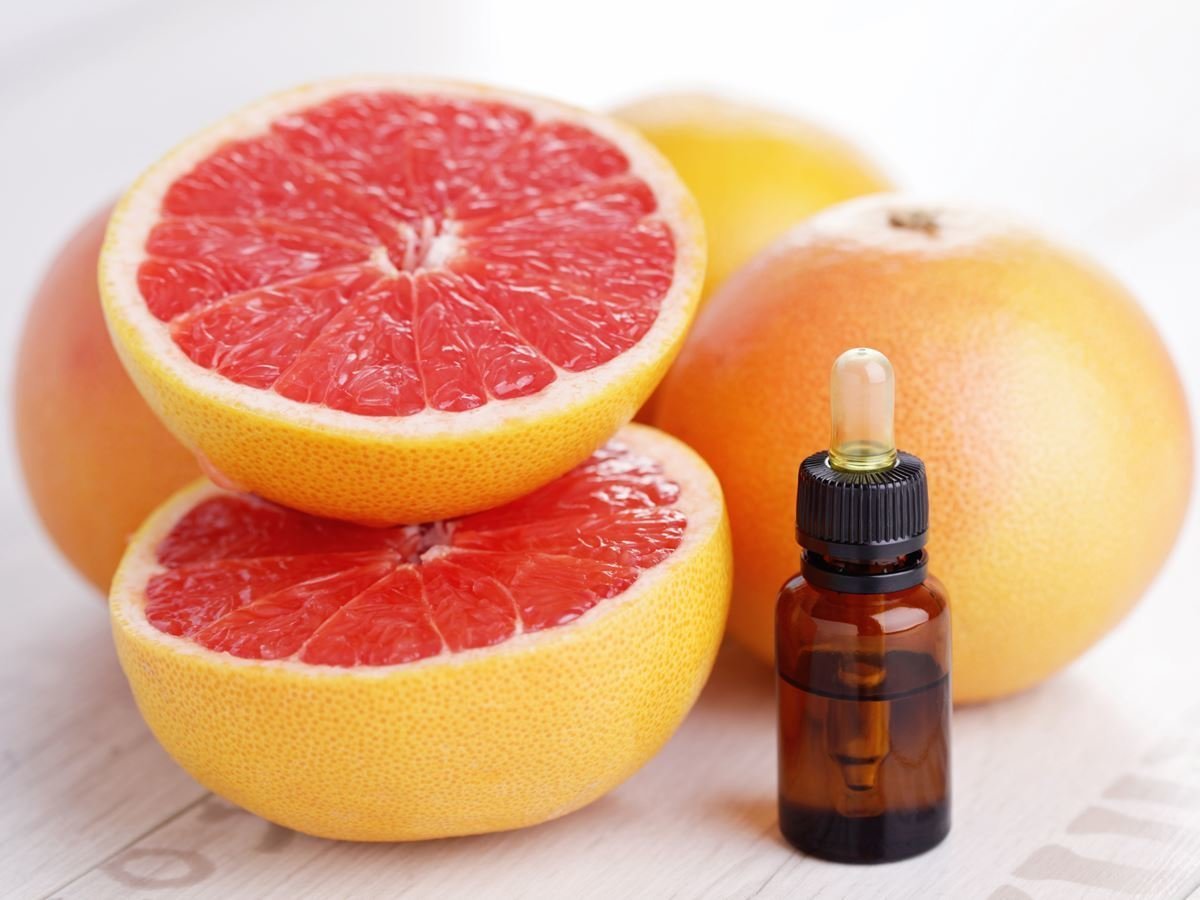
Grapefruit essential oil is an energizing oil but not one
that is overpowering. It is excellent in a diffuser first thing in the morning or
can be used at any time of the day if concentration is waning or fatigue sets
in. It also works well with oils such as rosemary or frankincense oil. Both
white and pink grapefruit oils are available, with pink grapefruit essential
oil generally being considered the sweeter of the two. It is useful also when there is a build-up of toxins or
water retention is present. It can be used for cellulitis and to perk up dull,
tired skin. Do note that grapefruit oil is photo toxic. Also, avoid using
grapefruit oil which has oxidized as this can increase skin sensitization.
When properly diluted, it's among the safest of the oils. It
works well when blended with oils from the mint, citrus or conifer families. If
too much is used, it can act as a stimulant. It is antibacterial and useful for
cuts and abrasions. It is also safe to use on children. It has a long list of
benefits including: acne, allergies, asthma, colic, cystitis, depression, dermatitis, flatulence, headaches, hypertension, for insect bites and as an
insect repellent, for itching, rheumatism, scars, sores, strains, and for
stretch marks.
3.11 Lemon balm essential oil
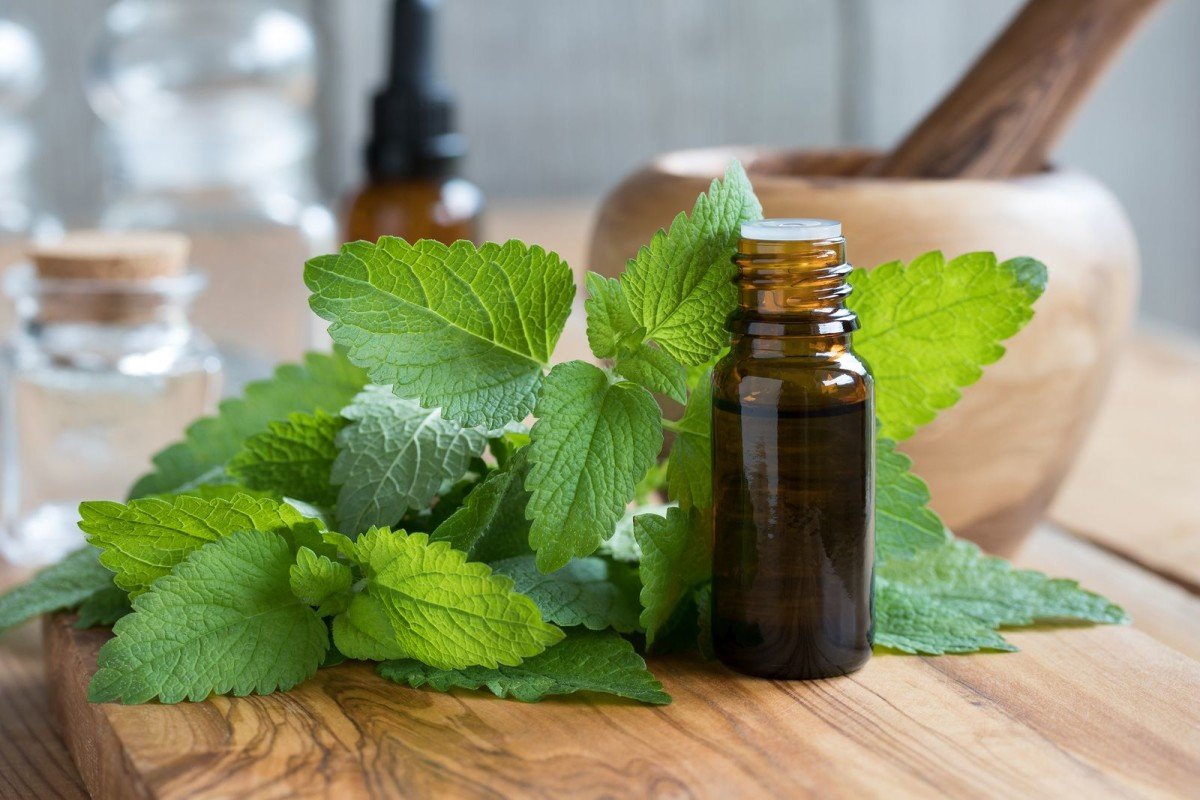
This has a fresh lemony aroma and is perfect for times of
depression or anxiety, it aids insomnia, and alleviates migraine, it is also
soothing for menstrual cramping, and can even aid indigestion, sickness,
respiratory problems, eczema or can be used as an insect repellent. Lemon balm (melissa essential oil) may pose a drug
interaction hazard. Do not use topically on children or infants under the ages
of two or for anyone who has diseased, damaged or very sensitive skin.
3.12 Myrrh essential oil
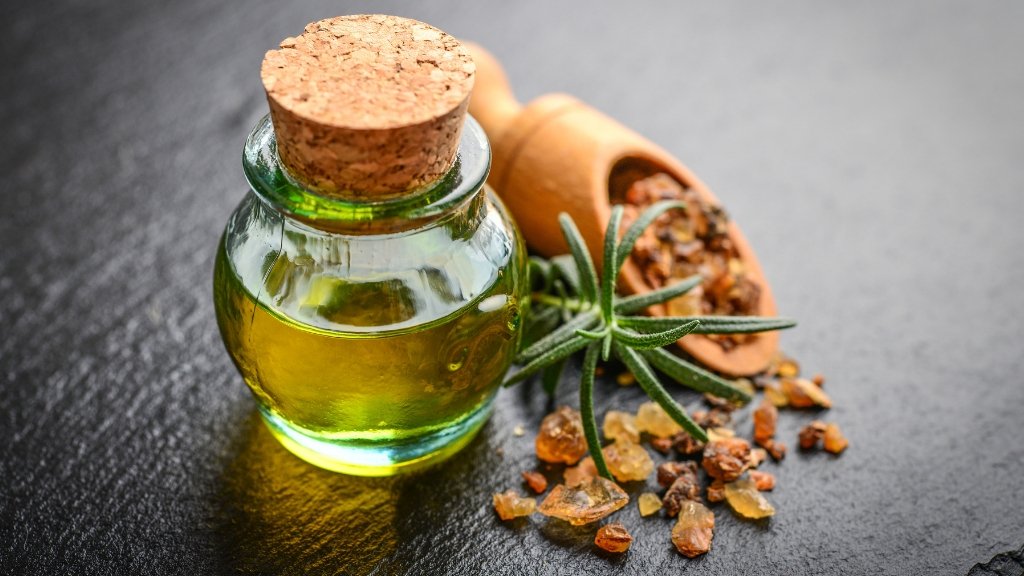
This is a tree resin that has long been valued for
medicinal, aromatic, cosmetic and spiritual applications. It is often known for its benefits to oral health i.e. used
in toothpaste. It is steam distilled directly from the resin but depending on
personal taste, it can be a little harsh if used on its own. It's a grounding
oil and helps to mellow emotions. It can be used to treat athlete's foot,
chapped skin, sore gums, halitosis, bronchitis, itching, haemorrhoids,
ringworm, or for toothache. Myrrh oil may be foetal toxic and so should not be used in
pregnancy or during lactation.
3.13 Neroli essential oil
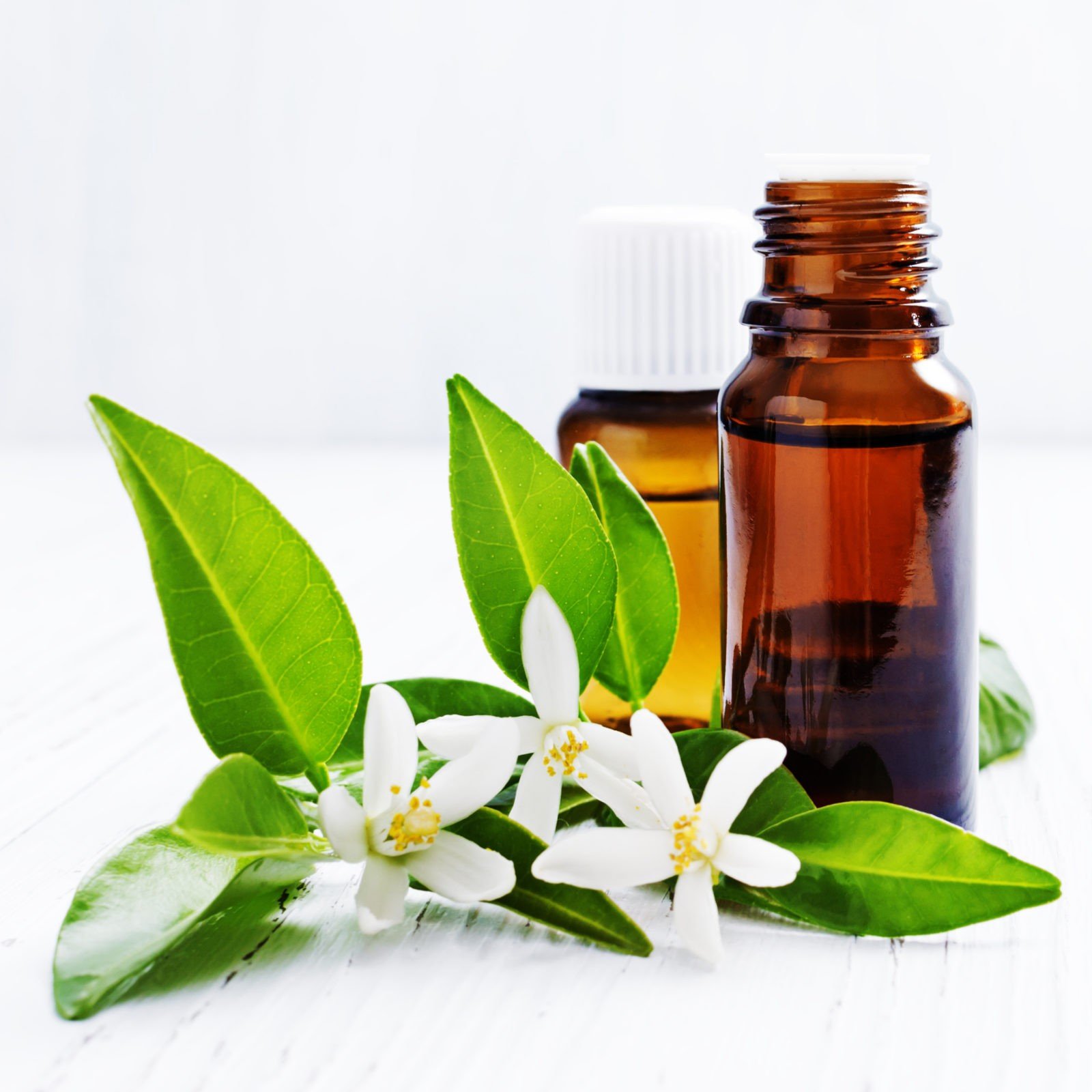
This has an intense floral and citrusy aroma and blends
exceptionally well with floral, woody, citrus, spice or even herbal oil
families. Highly concentrated, very little is needed to be used. It is
steam distilled from the flowering blossoms of the orange tree and can be used
for periods of depression, insomnia, or to improve most skin types, to improve
scars, to alleviate stress, to aid shock or help with stretch marks.
3.14 Oregano essential oil
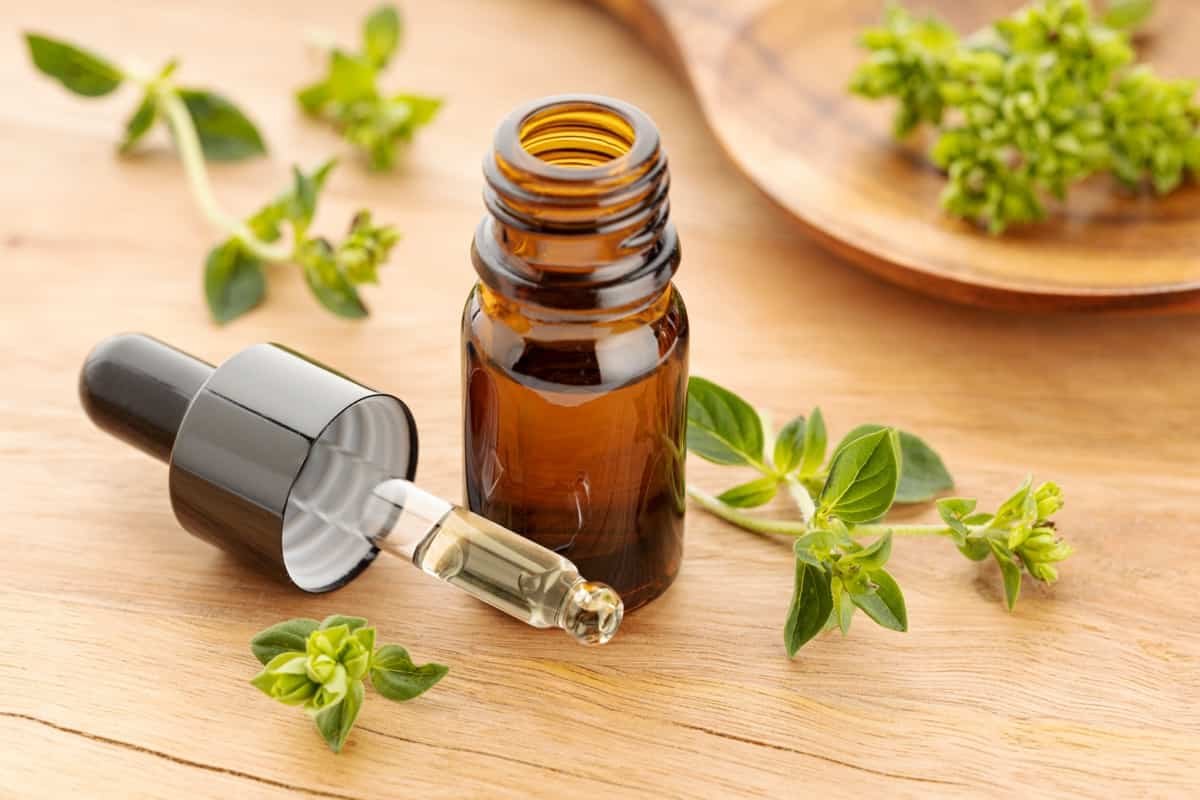
Oregano essential oil is often used for coughs and for
digestion. It should not be used during pregnancy or when
breastfeeding. There is also moderate risk of mucous membrane irritation and
may inhibit blood clotting. If medicines are being used it can create a drug
interaction hazard and could even cause embryo toxicity. It is not recommended to use on children aged two years or
younger, or, on anyone who may have skin sensitivity or damaged skin.
3.15 Patchouli essential oil
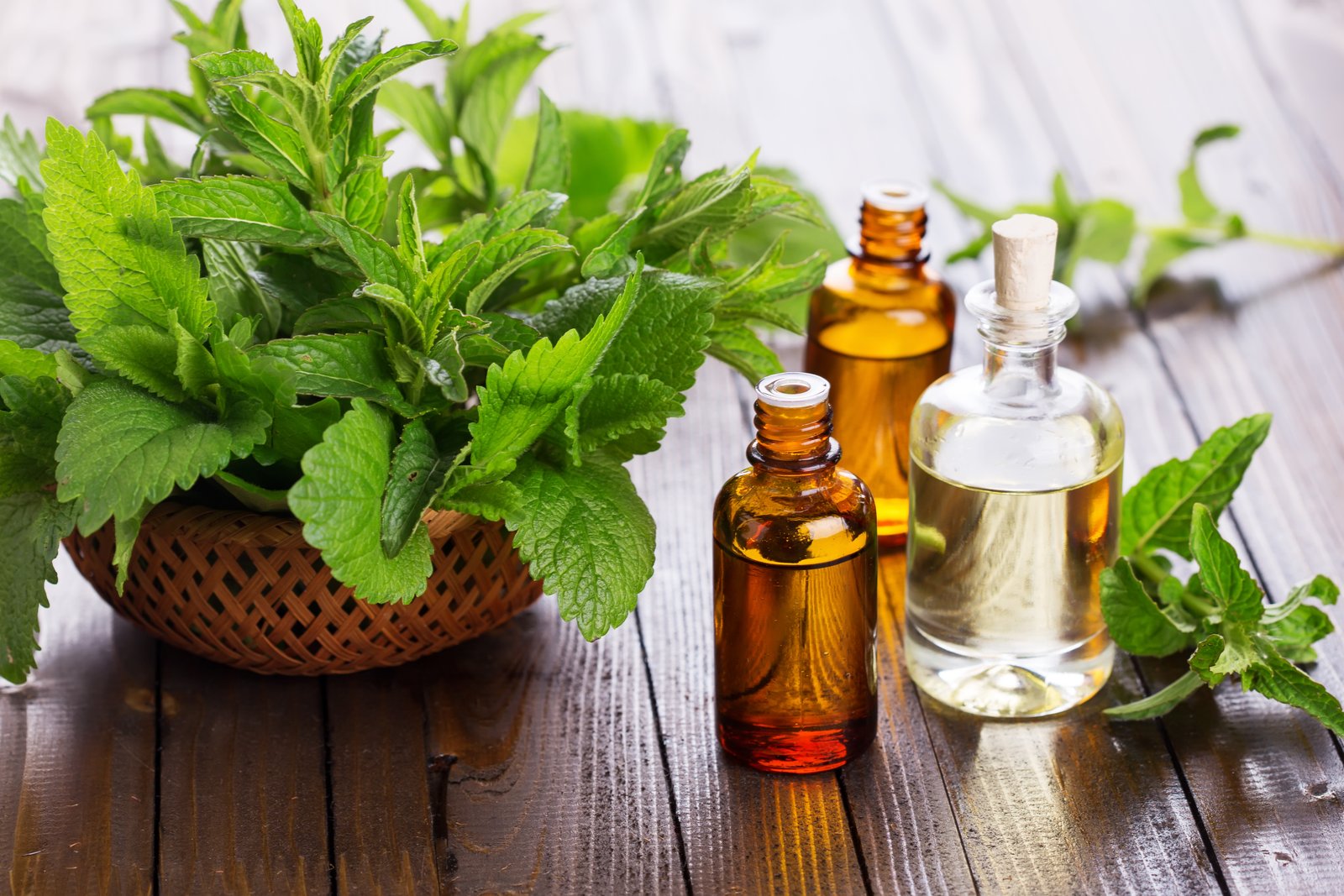
This oil is remarkably versatile. When blended, and used in a diffuser, it can affect emotions
and be used for many purposes. It can even be used spiritually. It's an earthy
and grounding oil which is a base note used as a fixative within a blend. It
can act as an aphrodisiac. It is probably most helpful for skin conditions and
so can be used on dry or cracked skin but also to help regulate oily skin and
improve acne. Any clients with eczema, psoriasis or even dandruff may have
favourable results with this oil. It can also be used to aid dermatitis,
chapped skin, fatigue, in hair care, to alleviate stress and as an insect
repellent. Contraindications: this oil may pose a drug interaction
hazard and also inhibit blood clotting.
3.16 Peppermint essential oil
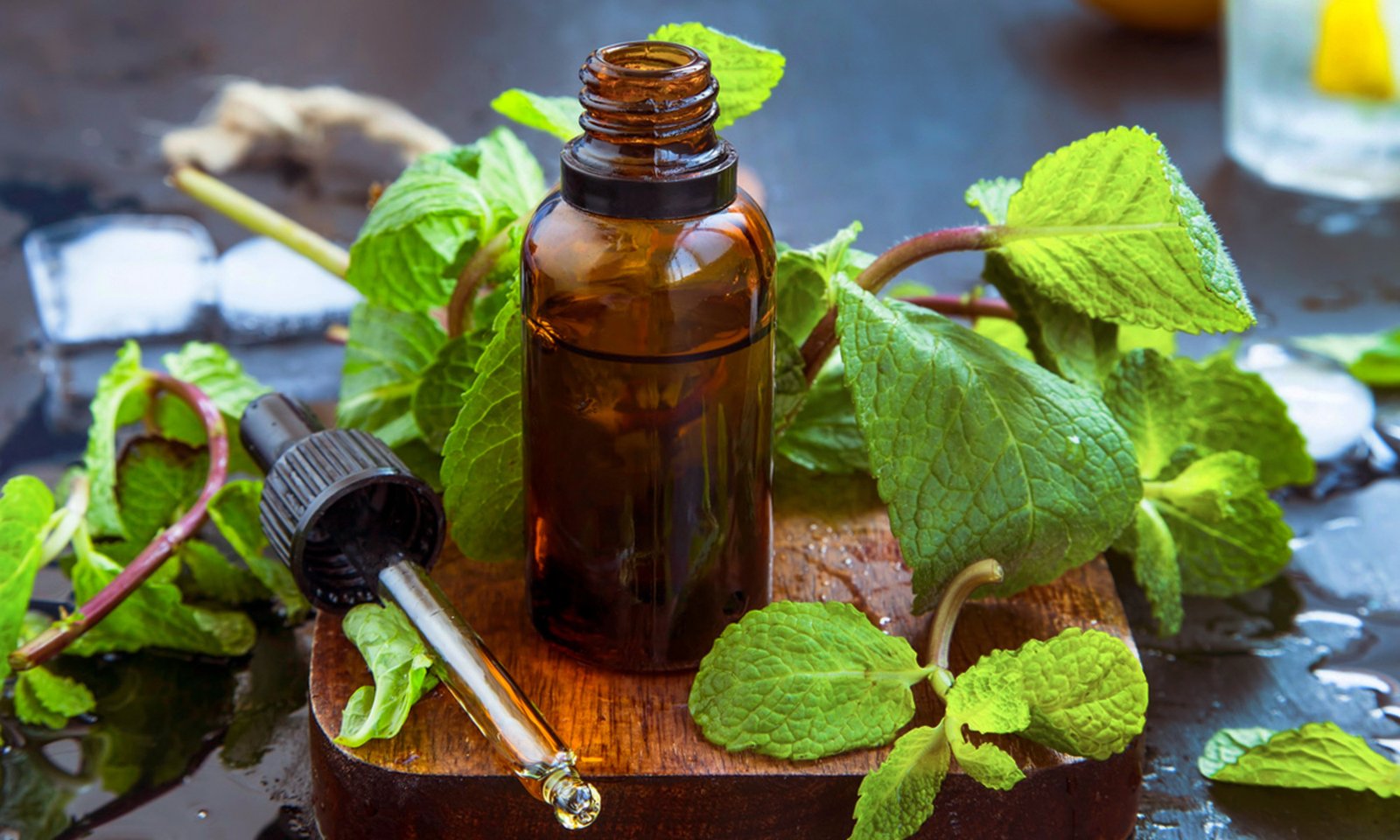
This is a concentrated and intense oil with an uplifting
effect. As it contains menthol, it creates a cooling sensation and
so can be used in a diffuser to help cool an individual in the hot weather. It
is often used to help ease tension headaches and can also be used in a massage
oil for aches and pains. Anyone who finds peppermint oil too intense, can use a
spearmint oil instead. It is a stimulating oil so is useful for enhancing
feelings of alertness and also to increase stamina. It should be avoided before
bedtime although may be considered an aphrodisiac. Note that corn mint oil is sometimes labelled peppermint oil
so do check prior to purchase. It can be used in asthma, colic, flu, flatulence, for
feelings of exhaustion, headaches and for sinusitis. Contraindications: it
has a low risk as a mucous membrane irritant. Do not use near the face of
infants or children.
3.17 Rosemary essential oil
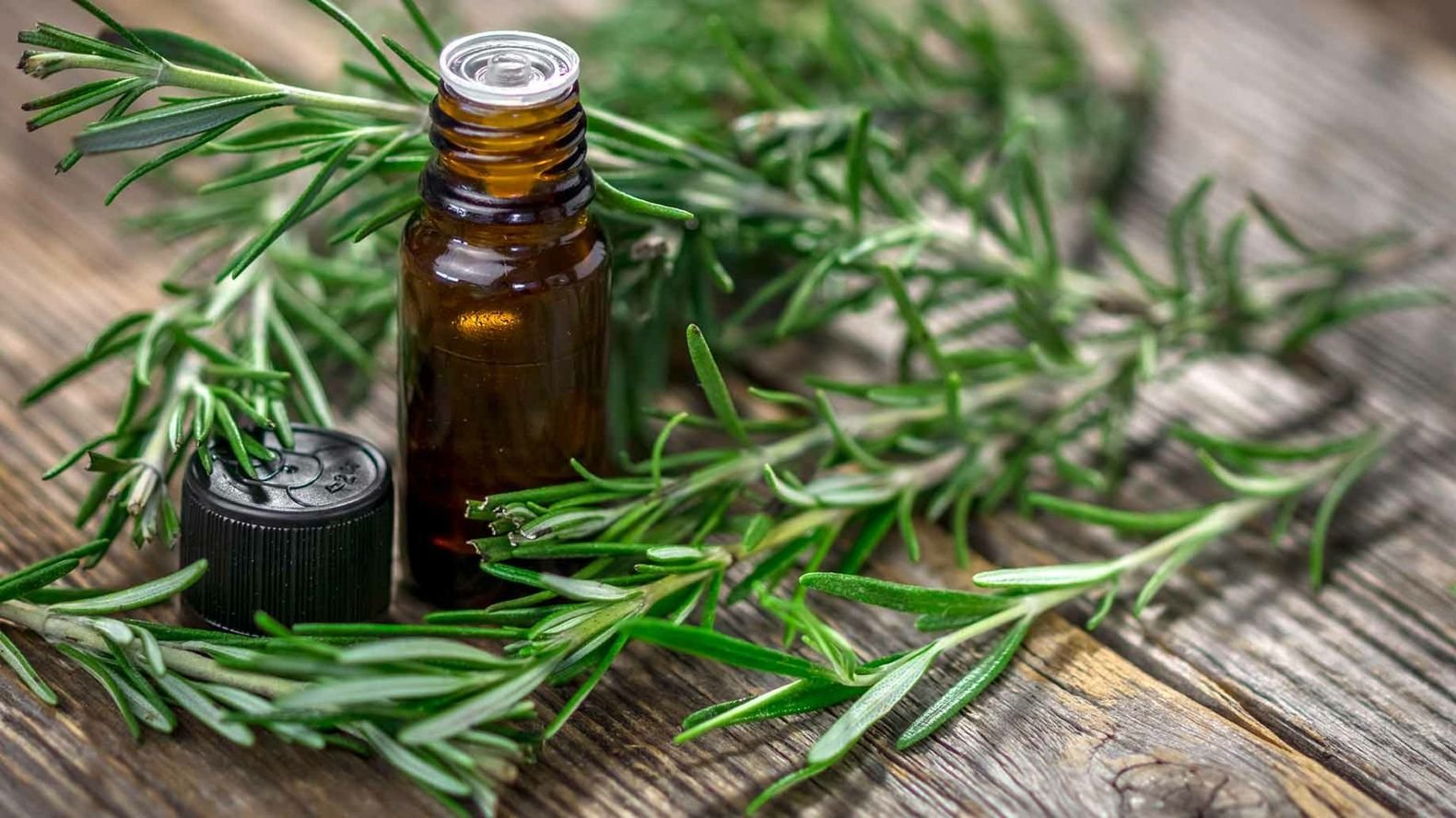
Rosemary oil is versatile and can be used for respiratory
problems as it makes an excellent decongestant or expectorant. It is also used in massage, aiding circulation and easing
arthritic type conditions. It can help with skin care-in particular oily skin
or acne and also, is beneficial for scalp and hair care. Most people think of
rosemary oil as being invigorating and stimulating and as such, it is known for
aiding focus and alertness. It is useful for anyone who is feeling fatigued.
Some factors to consider:
Rosemary Verbenone - contains less camphor and is regarded
as being safer to use for topical application
Rosemary Cineole - this oil is often the preferred choice
for any respiratory problems or circulatory issues
Rosemary can be used to improve dull skin, to ease
neuralgia, muscle cramping and rheumatism. Contraindications- it should not be
used on or near the faces of children or infants, also because of the level of
camphor, it is potentially neurotoxic.
3.18 Sandalwood essential oil
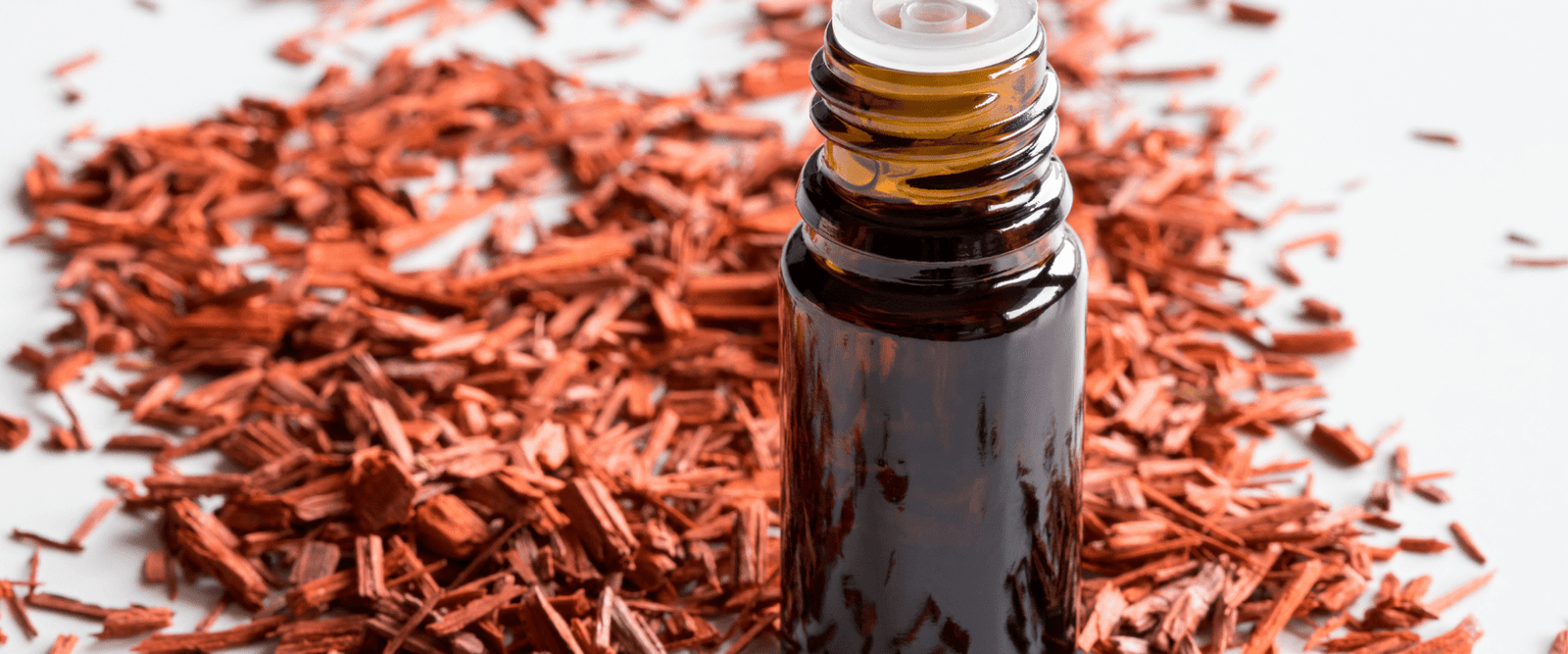
This is a versatile oil often used for spiritual
endeavours or for emotions. It is also used in skin care and perfumes. It has a calming
aroma so is excellent for use in times of stress or depression and can even
help with feelings of low self esteem. In addition, sandalwood can be used as
an aphrodisiac. It can be used for chapped skin, for respiratory conditions
such as bronchitis, for oily skin, scars, stretch marks or sensitive skin. Contraindications: although rare, state that this oil has
the potential to cause skin reactions.
3.19 Tea tree essential oil
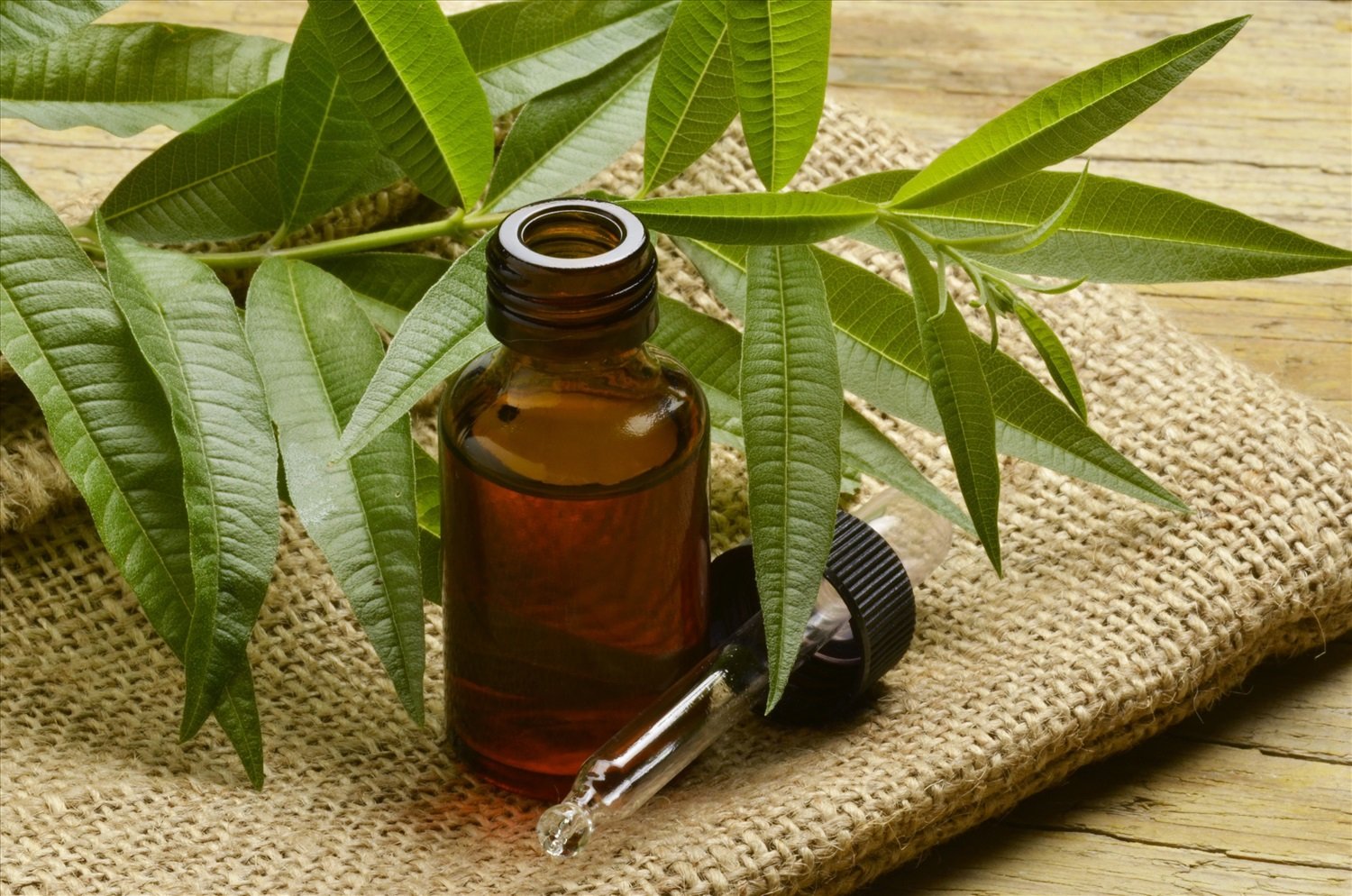
This is an absolute must for a first-aid kit and although
it is often not liked due to its medicinal aroma, people do grow used to it. It has a great many uses including: for acne, athlete's
foot, candida, chickenpox, for cold sores, colds or flu, or to help an oily
skin, bites, warts and even spots. Although fairly safe, there is a low risk of skin
sensitization (if using tea tree oil topically). Do not use the oil if
oxidized.
3.20 Ylang ylang oil
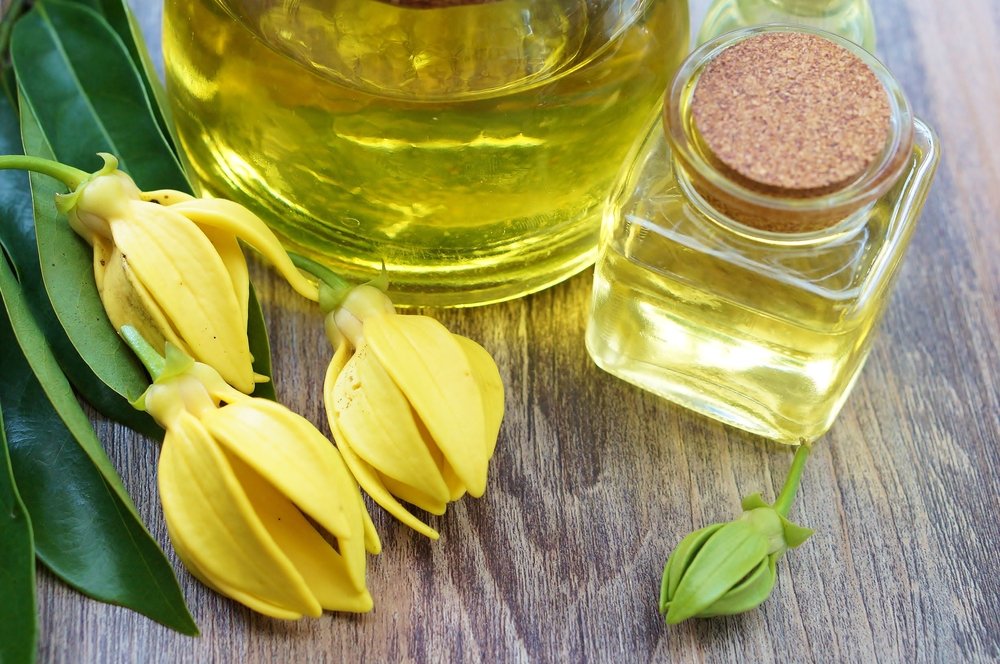
is distilled for only a short duration but has an intoxicating aroma. There are different methods for extracting the oil and
different duration times so always check the labels to ensure that it is a
complete, uninterrupted distillation. It can be used successfully in times of
depression or for anyone trying to deal with anger issues. It's also useful for
stress and anxiety and when blended, can help to increase feelings of
gratitude, and happiness. It may also be used as an aphrodisiac.
In addition,
it can be used in skin care regimes to help combat acne or oily skin. It may
even help with alopecia. Contraindications: there may be a moderate risk of skin
sensitisation. It should not be used on those people who have diseased or
damaged skin or who are overly sensitive. Do not use on children who are
younger than two years of age .Note: Take your time with the oils in this section before
moving onto the next module.
MODULE SUMMARY
In this module, you learnt the importance of looking for
high-quality pure essential oils. You also now understand the benefits and negative aspects of
some of the most popular oils. With this information, you can feel confident in recommending or using these oils. In the next module, you learn how to blend essential oils.
.svg)



