
1.1 Introduction

The use of aromatherapy as a
holistic treatment is ever increasing but what is it?
Aromatherapy is derived from the
Greek word, 'aroma' meaning spice or, in France, 'aromatherapie'. The
definition is the use of aromatic plant extracts and the use of essential oils
for healing and cosmetic purposes. Certainly, fragrances can relax or stimulate
the brain and as such, can help with emotional healing process and not only the
physical aspects. There is of course a science
behind aromatherapy which means natural essences are extracted from a wide
variety of plants and the oils are carefully applied in a number of ways to
assist healing on a physical and emotional level. Treatment is usually quite safe
but it's important to understand that natural does not always mean it is
without risk. Each oil has its own contraindications and so you must take the
time to learn all about the various oils, understanding when to use or when to
avoid. In the main, essential oils can be used throughout life.
Essential oils are highly
concentrated and they are extracted from certain types of leaves, roots, grasses,
fruits and flowers. There are many types of essential oils, many of which are
used in modern medicine. The oils can be volatile and expensive depending on
region, growing conditions and the ease of obtaining plant mass and so, pharmaceutical companies created chemical-based copies for their products. Oils
are also added to food and drink so to provide a specific aroma or flavour.
They are also used as preservatives. In cosmetics, the industry has
long used essential oils in their preparations but for health treatments, it is
vital to purchase only the purest of essential oils to avoid using any harmful
chemical-based preparations - as these can certainly have negative health
indications.
Aromatherapy is not new, it's an
ancient treatment used successfully throughout the world over the centuries and
its popularity is ever-increasing. It has been linked to religion, magic,
medicine and of course, cosmetics. In ancient Egypt, fragrances were an
important part of everyday life. Oils were used liberally to protect the skin
from the harsh, dry, desert climate and aromatic plants and oils were included
in the embalming process.
FACT
Ointments later discovered in
Tutankhamen's tomb dating all the way back to 1320 BC, contained frankincense,
and was still fragrant.
1.2 Harvesting
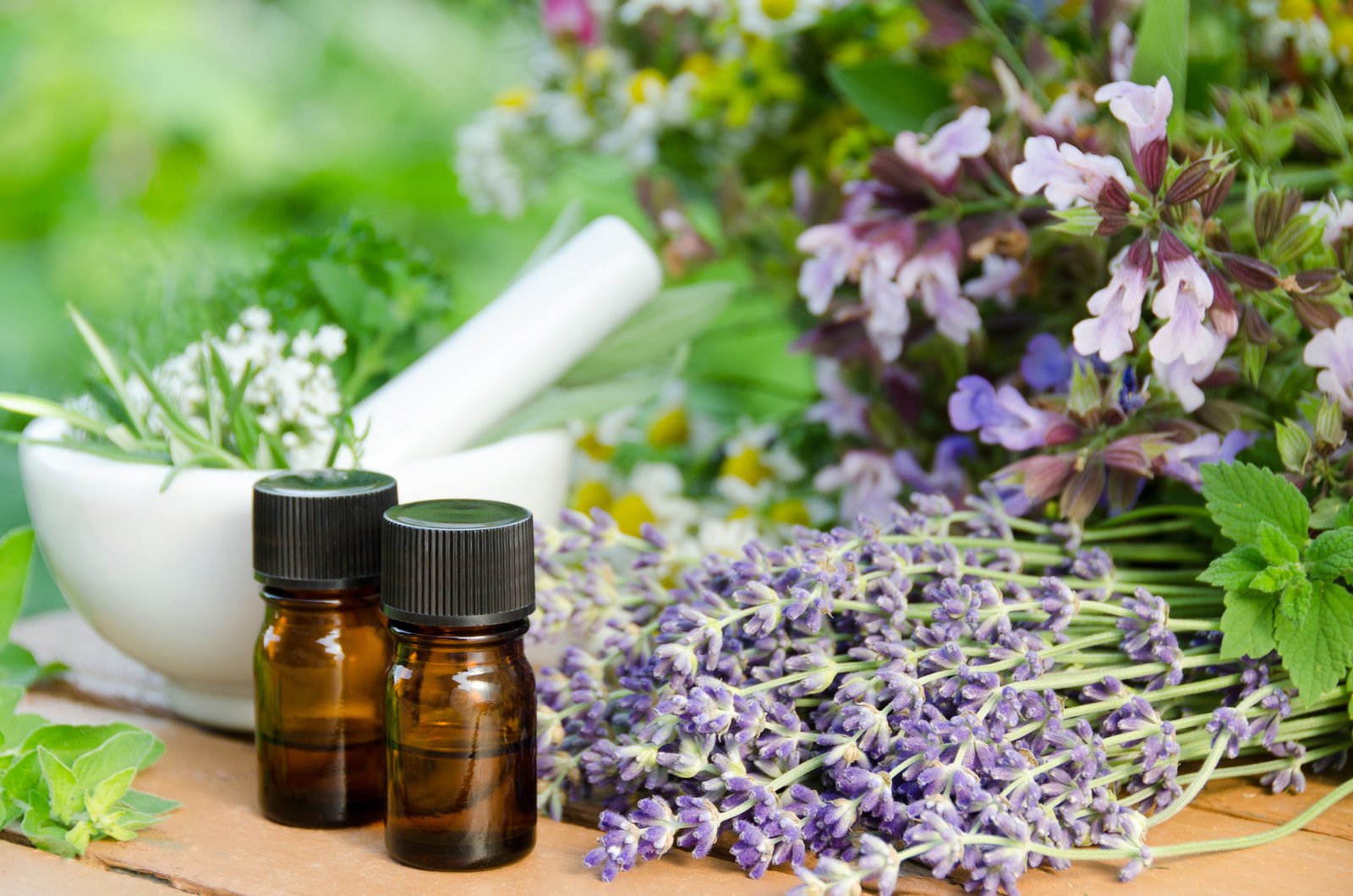
Essential oils are
extracted from aromatic plants which have been commercially cultivated. Plants come from a variety of
regions and there can be difficulties sourcing some plants which are limited to
growing in certain areas only. When there are detrimental changes in climate,
this can impact the growth and harvest for the essential oil trade. This
explains fluctuating prices. The type of harvesting required will also depend
on the plant and certainly, there is a need for them to be harvested when they
are at their most fragrant.
Harvesting requirements can be
quite rigid:
*Juniper must be dried before
extraction
night
The term essential oil is used to
describe the essence of any plant which has been distilled. If an oil is
achieved via other means, it's known as an 'absolute' or, when the process is
for a carrier oil, it's known as maceration. You will hear varying points of
view regarding the extraction process. Some will say that distillation is
necessary if the oil is to be pure enough to be used in therapy. Technically, essentials oils are
extracted by steam or hydro distillation. We've included some information
of the various techniques used so you have a general understanding as it will
make a difference to the oils you purchase. This is a brief look into the
processes previously used and those that are used today.
Enfleurage
This is one of the oldest methods
of extraction but now rarely used. It was invented in France and is a cold-fat extraction process. It is based upon the principle
that animal fats have a high rate of absorption. Animal fat is placed on a
plate of glass and the chosen plant materials were then placed on top of the
fat allowing the oils to soak into it. This process lasted for between one and
three days and new plant material replaced the old until finally, the fat becomes saturated. The next stage – known as the hot
stage, required the fats to be heated with new plant material added, then
removed and replaced with fresh plant material etc. Alcohol is used to separate
the fragrance from the fat and the fat is washed. Once the alcohol evaporated, a
substance – known as absolute is achieved.
Steam
Steam is the most common method
used in extraction. Plant material is placed in a VAT
and heated up by steam enabling high pressure and heat so that the volatile
parts of the plant evaporate. Vapours are carried along the sealed outlet where
it is then cooled and as oil floats on top of water, it is then
skimmed/removed. The water left is a by product – or floral water as it is
often called. As an example, think of rosewater.
Hydro-distillation
Steam pushes up through the plant
and hydro forces it down. It releases greater volumes of essential oils from
many of the plants.
Percolation or Hydro-diffusion
This is a very recent method and
is similar to the process of steam distillation but steam comes in through the
top as opposed to the bottom and the duration is shorter. This is a useful
process when extracting oils from seeds such as dill or fennel or woody plants.
Expression
This is also known as cold
pressing and it's an extraction process which is specific to citrus oils i.e.
lemon, sweet-orange and lime. The rind/zest is soaked in warm
water and then the rind is pressed (via a sponge) which breaks the essential
oil cavities. Once the sponge is filled, it is pressed over a container so that
the contents are squeezed/collected and the oils are then siphoned off once the
oil is separated from the water/juice. There is also another process
which is less labour-intensive known as ecuelle-a-piquer and this is a prodding
action to release essential oils. The rind is punctured and the oils are
collected in a container. The final process is the same.
quality Throughout this course you
will find constant reminders stating the importance of using only the purest of essential oils. As a professional aromatherapist,
you will be dealing with health issues and so any chemical copies (cheaper) or
reconstituted products will not be sufficient for your needs or those of
clients.
When you first start seeking out
essential oils, there is a general grading system as thus:
A - Therapeutic grade
While this sounds easy enough, as
a novice, you'll also notice the term therapeutic is used and imagine this is
the benchmark to aim for. Be warned that this grading system has been created
for marketing purposes so that companies are able to categorize their own oils
and this does not necessarily represent the quality.
Note that the International
Standards Organization (ISO) do have regulations in place which helps a little
and they offer awards to companies with transparent practices. This includes
safety, hazards and quality, although this does not necessarily reflect on how
well the oil works in a therapeutic fashion.
The oil composition therefore is
important. This could be different for a
wide number of reasons – lack of pollution present where the plant was growing
or, the oil may have been collected from just one source, or, it could be chemically altered. Changes in composition are not unusual and the manufacturer
has to find ways to make the plant provide the right level of esters (as an
example).
So the distilling time may be altered, the plant may be picked at a different time of the day and the process may be changed for distillation
itself. So this may not turn out to be inferior, but different. Some methods of extraction will
leave a residue – otherwise known as contaminants. The oils may also be
contaminated on purpose.
1.4 Let's take a look at
adulteration
label Essential oils may be
adulterated with other essential oils, which is known as cutting. From a legal point of view, this
must be stated on the label (Type). It can happen when a particular
oil has a low yield or is very expensive on its own. When an oil is changed,
the scent and therapeutic properties change too. This is important as it may
mean some oils will have higher percentages of a particular oil than you may be
aware and could lead to irritation. So you may decide that it is not worth it
and go only for the labels listed as (True). Do not confuse essential oils
with fragrance oils or perfume. These are synthetic copies.
While some oils may be expensive,
treat all oils with respect and make them last for you. They should always be
kept in dark bottles and stored in a cold, dark place – even the bottom shelf
of the fridge is alright. Note that many of these oils are
actually poisonous so they must be kept safe. Treat them with respect and
ensure you do not get any in your eyes or your clients' eyes. When blending
oils, avoid any pretty plastic bottles that you might think aesthetically pleasing as essential oils eat through and contaminate plastic.
1.5 Carrier oils

Carrier oils are a
very important part of the aromatherapy treatment. Because essential oils (in the
main) should not be used directly on the skin, it is important to dilute them
in a good carrier oil, making the oils safe to use. Cold-pressed carrier oils
are usually of a higher quality than those carrier oils obtained through
heat-extraction or solvent-extraction processes. Well-known carrier oils:
Sweet almond oil
This is a very popular oil and is
extracted from almond kernels. Always choose the sweet variety rather than the
bitter oil. It's a soft oil that has been used extensively and can even be used
for babies or for those people who have sensitive skin. It helps to relieve
itching, dry skin, inflammation or sunburn.
Grapeseed oil
Grapeseed oil is perfect for
clients with an oily skin. It is made by extracting oil from the seeds of
Muscat raisins and this is done using a heat process.
Apricot kernel oil
This oil is extracted from the
kernels of apricots. It is suitable for all skin types - inflamed or sensitive
and it acts as a natural moisturiser. It is rich in minerals and vitamins.
Borage seed oil
Derived from the seeds, this is
excellent oil for when clients have problems skin i.e. skin that is prematurely
ageing or if eczema is present. It can actually be used on all skin types and
is rich in vitamins C and minerals.
Jojoba oil
This is a cold pressed oil made
from the seed. It safe to use on all skin types and when applied to the skin
does not leave any greasy residue and, it helps to balance the production of
sebum It can be used on the face without concern and is a useful oil to help
ease eczema, acne or inflamed skin conditions. It has a long shelf life and
antibacterial properties.
Avocado oil
Rich in vitamins A and B, it's a
wonderful oil for softening the skin and is made from the flesh of the avocado
fruit. It is readily absorbed.
Wheat germ oil
This is known as a viscous oil
and only a small amount should be mixed with other carrier or oils, be careful
because solutions can to announce it. It also has a strong smell.
Rosehip oil
This can be used on damaged
complexions so is perfect for those with the skin conditions rosacea or acne.
It's a very gentle oil.
Jasmin carrier oil
As a carrier oil, this is often a
favourite because it can be sourced fairly cheaply. It is useful for scarring
and for gynaecological complaints. It shouldn't be used for oily skins or where
acne is present. It's a very thick oil which would be too heavy.
MODULE SUMMARY
In this module, you learnt what
aromatherapy means and how it can be used for healing and cosmetic purposes. You now understand the importance
of knowing about the various oils and their contraindications. You have learnt about harvesting
plants for the extraction of essential oils and the different techniques used. This module also reviewed the
most popular carrier oils and why they should be used. The next module discusses the
chemistry of oils.
.svg)



