
2.1 Introduction

This module takes an in-depth
look at one of the most important stages of the advertising process:
Media
Planning.
Without media planning, an
advertising campaign will surely fall flat. Though it is certainly possible to
run an advertising campaign without media planning, it is certainly not
recommended. As you read through the module, you will learn what media planning
is, how it works, why it is important, and the role of a media planner, and you
should think about how media planning may help companies to succeed when it
comes to their advertising.
2.2 What is Media Planning?

Media planning is a process that
people use to find the most suitable media platforms to advertise a company's
message, products, and services. The best way to do this is to
work with a professional media planner, a person or group who does market
research for a particular product...but more about that in a bit. When a company begins developing
an advert for promoting its product, it has to look into the different mediums
available.
There are many mediums that a
company can use, such as television, radio, Internet, and social media, but
some of these are much better than others, depending on the goods or services
the company wishes to sell. If the company does not know which platforms to
pick to advertise, then its message will not provide the desired results. For
instance, running an advert in a local newspaper for a new mobile phone app
targeting teens is unlikely to work, as most teenagers do not read newspapers.
Of course, the main goal of media
planning is to create a plan for a company to reach their target audience. Without looking into the
available platforms, however, an advertiser is not able to make its message
available to the right audience. If you find yourself in this situation, the
odds are stacked against you, and you will likely fail. After all, if you
cannot reach your audience, who are you selling to?
Here is an example of how media
planning works:
Let's say a nappy company wants
to launch a new nappy. The company has designed a great advertisement, but now
it has to pick the right channels to get the message across. Because the target
audience for nappies is parents, particularly mums, it is important to pick the
mediums that target parents, and not a medium that targets teens, pensioners or
other groups.
To do this and focus on the right
target audience of parents, a media planner would pick platforms such as
television, radio, Internet, and billboards. Furthermore, the duration and time
that the advertisement will be played also comes in media planning. In this
case, a media planner may choose to display these adverts during morning
television, for instance, as more mums may be watching during that time. Using
the Internet may also be a good option, but posting the nappy advertisement in
a magazine with a large pensioner audience would likely fail.
FACT
UK advertising expenditure grew
4.6% to reach £22.2bn in 2017, the eighth consecutive year of market growth.
Source:
thecreativeindustries.co.uk

The role of a media planner is to
maximise the impact of the advertiser's needs and budget. These planners can be part of the
advertising team, or they can be entirely separate. They combine both creative
and factual aspects to determine the best and the most effective media platform
to meet the client's advertising targets. A media planner is also in touch
with marketing departments, dealing in different media channels to create a
media planning strategy that fits their client's budget.
Media planners are sometimes part
of marketing agencies, too. In many agencies a media planner also looks over
media buying. Because media buying and planning are interrelated, these
individuals are qualified in both fields. More about media buying will be
discussed in another module.
Media planners stay in close
contact with their clients and accounts team. They learn everything they can
about the business, its objectives and aims, and the planner uses this
information to design a perfect media plan. Media planners also stay in touch
with the creative team, which discusses both the creative aspects of the
project and the advertising targets with the planners, which allows them to
devise a strategy that fits all purposes.
Apart from conducting their own
research, media planners also take research from the accounts team, advertising
agency, and creative team. They also discuss the target
audience with the client to understand their behaviour, habits, and
characteristics. This information helps media planners to plan and implement
strategies that will work in the favour of their client. The planners also meet
with their clients and accounts team to discuss budget and costs. This
discussion helps give them a better idea of the kind of media plan that they
should devise, and the channels that they should pick, as some methods of
advertising are more budget-friendly than others.
Once the planning phase is
complete, a media planner then proceeds to put the implementation phase into
action. Now, the media planner discusses the different media options with the
client, its cost, and the projected outcome. A good media planner will have
connections with various media companies, and these connections can help them
negotiate costs and get a good deal on marketing.
A great media planner is one who
can understand the target audience of their client, and is not limited to just
determining factors such as age, sex, income, etc. It stretches far beyond
that. A media planner needs to understand behaviours, psychology, and moods,
too. They also need to understand what is trending in a specific group of
people. After taking all of this information, the media planner will then be
able to pick the right mediums for a marketing campaign.
Here is a real life example of
how this works:
Imagine that a media planner is
working with a company targeting teenagers. To do this, the media planner will
have to do some research to learn about their likes and dislikes, behaviours
and habits. After gathering this information, the media planner then designs a
strategy that will reach that audience. For instance, if the client wants to
use television marketing, the media planner should have a list of channels and
programmes that teens tend to watch. They should also do research about when
teens most often watch television. When all of this information is available,
they can then plan on when the television adverts will air in order to get the
most impact.
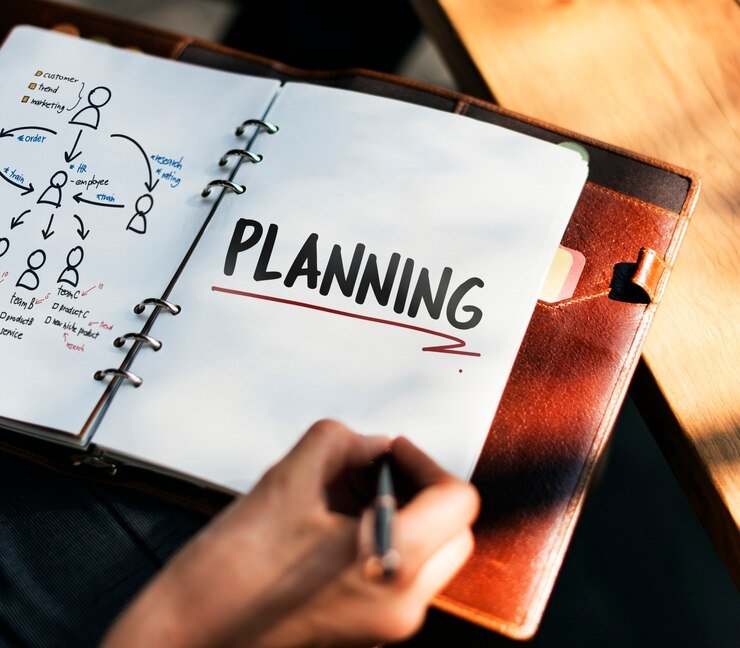
One of the major parts of media
planning is the selection of media platforms for placing an advert. A media planner has to take every
factor into consideration when choosing this platform, so this process includes
market analysis, establishment of the media objective, strategy making,
strategy implementation, evaluation, and follow-up.
Let's take a look at each one of
these steps in detail below:
Market Analysis
Every strategy and process
involves market research and analysis. Without proper market analysis, it is
impossible to come up with a solid strategy. When we talk about market analysis
in media planning, it means finding the right audience for the product. A media
planner does not actually decide who the target audience should be, but they
can learn about it from the advertisements developed by a company.
The media planning targets are
similar to the advertising targets. Therefore, a media planner can look into
the targets of the advertisement to get an idea about the direction that they
have to head in with their own strategy.
Market analysis also includes the
number and type of people that the advertising is targeting. If the media
planner is designing a strategy for a mobile phone commercial, then they have
to conduct research on the audience and their behaviour. They also need to find
the media platforms that mobile phone users make use of most often.
A typical analysis of the market
includes determining age, sex, gender, income and geographic location. With the
help of these measures, a media planner can determine the appropriate target
audience and media platforms, which help to shape the budget as well.
Establishing the Media Objective
Once the market analysis has been
conducted, it is important for the media planner to establish the media
objective. This consists of reach, frequency, circulation, cost, and
penetration.
Let's take a look at each one of
these terms separately.
Reach - The reach of a project is
the number of people the planner wishes to reach with their campaign.
Frequency - The frequency is the
number of times that the planner wants to show the message to the targeted
audience.
Circulation - When referring to
magazines and newspapers, circulation is the number of copies that are made and
printed for the campaign.
Cost - The cost is simply the
amount of money spent on each medium (calculated as CPM and CPP). This allows
the planner to design a media planning strategy within a certain budget.
Penetration - Penetration is the
number of people in the audience that the company wants to reach (can be the
entire audience or just a group from it).
All in all, the media planner's
job is to devise a strategy by keeping these factors in mind. This can only be
possible after the planner does proper market research and the analysis has
been completed.
Strategy-Making
Once the media planner has
determined the media objectives and the costs, it is time to develop a strategy
and choose the right media platforms. There are a variety of media platforms,
such as television, radio, newspaper or Internet, that a media planner can
choose from. However, the ones that the planner picks are entirely dependent on
the targets of the advertiser.
Strategy Implementation
Once the planner has picked the
mediums and developed the strategy, it is time to implement it. In order to
implement the strategies, the media planner has to buy media. If the planner
has picked television, print, and outdoor mediums, for instance, then they have
to buy their desired space. In this process, the planner will meet with the
media provider, negotiate with them, provide them the adverts to be placed, and
then pay them the cost of the medium.
Geographic Allocation of Media
Apart from picking the right
media channels and vehicles, a media planner also needs to look into the
different geographical locations that they want their campaign to play. If a
company runs nationally and is launching a national campaign, then the planner
must take a broader approach. Alternatively, if a company wants to target only
a specific audience belonging to a certain city or county, then they have to
look into geographic allocation of media.
To do this, a media planner
performs a geographic analysis to investigate the area and to determine the
best geographic focus for the advertisements. If the product is a detergent
that is sold uniformly throughout the country, then the media planner will go
with a national approach, and everyone from Plymouth to Leeds, and everywhere
in between, will see the media. However, if the sales are higher in a
particular county or city, the media planner will condense their reach and will
only target media channels in those particular locations.
Deciding upon Media Scheduling
Once all the decisions have been
made and the media planner is clear about the locations and channels they wish
to target, it is time to decide upon media scheduling. In other words, the
media planner should decide when to advertise. They can either play ads
throughout the year or they can pick a few months or a few days each month to display
their adverts.
Since media planners are allotted a fixed budget by the company,
they have to be careful with their strategies and how they choose to display
their adverts. This greatly depends on the budget that the media planner gets
from the client, and in turn, the media planner must be smart about making
decisions and setting up a strategy. They cannot simply play the ads all the
time because this costs money, so they must go through the process to determine
the best time for scheduling.
There are three known methods for
media scheduling: continuity, flight and pulse. The method chosen by the media
planner greatly depends on factors such as budget and objectives.
Continuity scheduling is the one
method for media scheduling in which the budget is evenly distributed among all
months of the year. To understand this, imagine that a company has allotted
£60,000 for media planning for one year. There are 12 months in the year, so
the planner would have £5,000 per month.
Flight scheduling is when the
media planner decides to run ads in specific months. There is heavy advertising
during selective months and no advertising in other months. If a company sells
gift items, for example, then the media planner will run the ads during the
second half of the year or during the autumn months when everyone is looking to
buy gifts for the holiday season.
Pulse scheduling is a combination
of continuity and flight scheduling. With this type of scheduling, the media
planner plans to spread out the ads throughout the year, but the ads are being
run heavily in selected months. In the remaining months, the media planner runs
ads at lower frequency. These lower frequency adverts are used to remind the
audience of the brand's presence, but when it is the time of year that the target
audience is most likely to get influenced, the ads run more frequently.
Factors Affecting Media
Scheduling Decision
When it comes to choosing the
type of media scheduling, a media planner has to look into the following
factors:
Seasonality - Seasonality is the
specific time of the year when a particular product is most likely to sell. For
instance, a company that sells summer clothing will begin advertising in the
months leading up to the warmer months. Advertising at other times would simply
be a waste of money.
Consumer's purchase cycle - Media
planners know that customers often make purchases in cycles. For instance, many
people get their pay from their jobs near the end or beginning of the month, so
they are more likely to make purchases during these times. A media planner will
use this information to their advantage, and they will run their ads during
this time.
Interval between decision making
and consumption of the product - Sometimes consumers make advance purchases
when they have to consume the products later. One example of this is when
people are planning for their holiday. So, media planners that must advertise
products for holiday makers need to target these people several months before
they will actually consume the product.
In addition to this, there is
another factor that fits well with only new products. If a media planner has to
design a media plan for a new product, then they will need to heavily bombard
media channels with ads during the initial days. Once they have spread enough
awareness, the planners will continue with fewer ads in other months.
Evaluation
In any given field, it is
important to measure the results for future reference. Similarly, when it comes
to media planning, it is important for the planner to evaluate and determine
the success of their strategies.
The planner can do this by
looking into the objectives. If the media objectives were met, it simply means
that the strategy was successful. Media planners must keep in mind, however,
that every medium used in the plan will have its separate outcome, and one
medium might have worked better than the other. This information is important
as it allows the media planner to find out what works and what does not, and
then they can make adjustments. Finally, this evaluation also helps planners
understand the pitfalls of their media planning strategies, and come up with a
solution.
2.5 The Importance of Media
Planning in Advertising
Media planning plays a critical
role in the advertising strategy of a brand.
Without proper media planning,
the advertising campaign will lose its meaning and purpose, resulting in
failure. So, what is media planning all about?
Every brand and business are
trying to reach their prospective customers with adverts. However, they cannot
simply place their ads anytime or anywhere. The media planner has to reach
the target audience when they are searching for something, preparing to buy, or
looking for alternatives. This means that the media planner has to almost read
the minds of their target audience, and place the adverts in front of consumers
at exactly the right time and place. This is where all of the above information
comes into play, as this cannot simply be pulled out of thin air. Instead,
planning and research is crucial.
A media planner plays a critical
role in determining the right media for advertising a brand's campaign.
Companies invest a lot of money on media planning because they do not want to
end up wasting their money on the campaign design. They want the message to
reach the right audience, which is the reason they spend money on media
planning. If a brand's ad is placed in a newspaper, but their target audience
does not read newspapers, then their efforts will go to waste.
Module Summary
Media planning is an important
step in the formation of a successful advertising campaign, and a media planner
is an important part of this. It would be very difficult, indeed, for a
business owner or manager to create a successful business plan for their company
without the assistance of the process of media planning. Professional media
planners are essential for this success, and the research and planning they do
is their magic formula, which will make or break any campaign. Though media
planning is only one part of the world of advertising and marketing, it is a
step that can never be skipped.
.svg)



