

This module will give an in-depth
look at advertising and you will learn about the role of advertising and the
advertiser's role in the marketing industry, and ultimately, society. By the time the module reaches
its conclusion, you will know what advertising is, how it works and how it
impacts us all.
This course focuses on both
marketing and advertising, though advertising is a part of marketing. The goal
of both practices is to 'sell, sell, sell', but to achieve this goal, there are
several steps that a company must take. When promoting a product, you
will need to use the creative side of the business - advertising, which is a
way to make the world aware of a product or service. Marketing, on the other
hand, is getting this creativity out into the world and advertising is a part
of the general marketing umbrella.
1.2 Marketing

Though this module will focus
greatly on advertising, before one can learn about advertising, marketing must
also be understood. There are two main types of
marketing, business-to-business, or B2B, and business-to-consumer,orB2C.
B2B
B2B marketing covers goods or
services that are sold from one business or organisation to another. These are
usually industrial goods, which may include everything from yarn for textile
companies to operating supplies, such as pens and paper. Most people who work
in the marketing field are experts in their industry and often require specific
technical or scientific knowledge, which means it is difficult for those
without this information to succeed with B2B marketing campaigns.
B2C
B2C marketing relates to
marketing goods and services for public consumption. This includes anything
from cars and drinks to food and toiletries. These items, known as fast moving
consumer goods, or FMCG, use different marketing methods than B2B goods, so
those doing the marketing must utilise different methods of getting their goods
and services out there.
Many products and services
require the use of both B2B marketing and B2C marketing simply to make money
for the business selling it. For example, a manufacturer of toys must use B2B
marketing to get its items on store shelves, but then switch to a B2C marketing
campaign to reach consumers. There are a number of different ways to do this by
utilising different strategies. These strategies will be discussed in a future
module.

Advertising is no more than a
type of communication that is used to express the feelings, emotions, views and
actions of the audience.Advertising is a promotional
technique that is divided into smaller parts. The main purpose of advertising
is to attract a target audience, and in turn, to encourage this audience to
purchase a good or service.
Advertising is also used to send
a message or new idea to the target audience. A business that uses advertising
is attempting to get the word out about their goods or services, and when doing
so, they can reach customers that they may never reach without the advertising.
It is a paid form of marketing, and can greatly impact many people.
Simple, right? Right. Except,
advertising is not so cut-and-dry. Instead, there are many forms of advertising
out there, and not all of them will benefit a company as well as another. To
understand which advertising is best for a certain product, service or company,
you must start by understanding and applying the components of advertising.
Advertising
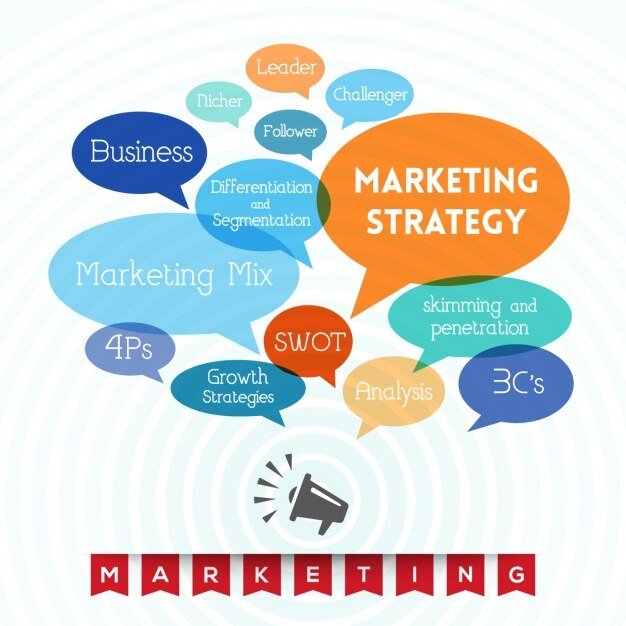
To advertise a product or
service, there is a step-by-step process that should be carried out. These are known as the four
components of advertising, and they are:
· Strategy Building
· Media Choice
· Creative Idea
· Idea Execution
When looking at and understanding
these in detail, you can better understand the advertising process.
Strategy Building
The most important part of
advertising is the strategy. Strategising means that you will start researching
and creating a plan with a focus on market research, competition and trends. The first thing to do is assess
the market, so you will have to find out more about the history of the industry
and market that you are targeting. You also must look at trends, risk, threats,
opportunities and even the future.
In addition to this, an
advertiser must also research their target audience and find out about their
attitude, needs and requirements, and understand that they will be competing
with other brands and products that focus on the same audience. So, how will
you stand out from the crowd? This is what advertising is all about. It's not
enough to know who to target, what counts is that you know how to target.
Media Choice
After you have gone through the
process of choosing and understanding your audience, you now must choose a
medium. The medium is the way an advertiser communicates their message to the
audience. Examples of this include print, television, mail, digital, person-to-person
and outdoor. Each of these mediums have their
own significance, and depending on your audience, you may choose one, two or
more to use to get the message out to your target audience.
Creative Idea
Once you have chosen the
medium(s), you must design the creative brief. This brief should include all
details about the advertisement that your client wants, but you still have to
keep in mind things such as the audience, competitors and the market.
After creating the idea, you will
then need to make a plan to execute it. In other words, in this final step, you
will make your ideas come to life.

When you start talking about
advertising, you must understand that the purpose of the practice is to gain
attention. To obtain this attention, the
advertisement must be interactive, attractive and meaningful. Some advertisers
set up advertisements that only talk about how good a product is, but the key
to advertising success is to not do that at all. Instead, target the problem
that the product and service solves, and then offer this solution to your
target audience.
Advertising is used to persuade a
person into buying a good or service that they may not otherwise buy. As the advertiser, it is your job
to influence the target to make the purchase. Other than selling these products
and services, you also must promote a product that customers may not even
realise exists.
Of course, you may also have to
promote a product that already has a solid presence on the market, and in this
case, it is your job to stay competitive. Consider brands such as Cadbury,
Burberry, Boots and Rolls-Royce. We all know about these iconic brands, yet
still see adverts for them. This helps these brands stay relevant in the market
and fresh in people's minds.
1.6 Your Role as an Advertiser

An advertiser is a person who
advertises. Some businesses serve as their
own advertiser, such as a small business with only a couple of employees, but
there are also professional advertisers. These are people who have schooling or
experience in the advertising world, and know how to promote and market a
product.
However, this is only part of the
role of an advertiser. In addition to developing an
idea, an advertiser is also responsible for promotions, merchandising, public
relations and more. The advertiser handles these tasks and forms them into a
single strategy that serves one purpose.
Advertisers may work with others,
such as creative agencies, to design ads, and they are also responsible for
getting the advertisement out to the masses. These people may also have to
stick to a certain budget or time frame.
1.7 The Advertising Industry

The advertising industry is a
multi-billion pound sector that helps businesses reach a larger audience,
increase their sales and earn more success.
Advertising agencies help businesses
reach out to a target audience after working with the company that has hired
them. These people talk to the company, conduct their research, and translate
the ideas of their clients into a successful advertising campaign. In turn,
businesses can reach their business and financial goals.
The advertising industry is
always advancing, especially in recent years, thanks to technology. There was a
time when the only medium that an agency could use was print, but as technology
has improved over the years, mediums such as radio, television and now digital
devices, have all provided an outlet for advertisers.
Advertising agencies offer many
services to their clients, such as buying, media planning, event planning,
creative services and post-production, among others. Companies rely on these
agencies to give them a boost when they need to get their products and services
out to potential customers. However, there are instances where companies
neglect to spend their advertising money, such as when the economy is bad, and
this has a direct negative impact on the advertising agency, the company
itself, and even the target audience. When the economy is booming, however,
companies tend to spend more money on advertising, which helps their business
to grow and develop.
FACT
The United Kingdom ranks fifth
among the world's largest advertising markets, and second among markets in
Europe.
Source: statista.com
1.8 The Role of Advertising in
Society

Advertising can help to shape and
influence the perception that people have in a society.
These advertisements also serve
to educate us about things that we don't know about, and it helps us learn more
about developments in economy, technology and other fields. Advertising is not
just a way for a business to earn more sales, but it also helps us all make
better choices.
Advertisers often try to
manipulate the minds and actions of the target audience through these adverts.
For instance, if you always have dinner at a certain restaurant, an advertiser
will do all that they can to put out adverts that influence you to switch to
the restaurant across the road. This isn't a negative, per se, but simply a way
to think of how advertising works. It is simply the role that advertising plays
in our society, and this role can be positive.
The following are ways that
advertising has played a positive role in our lives:
Advertising Improves the Standard
of Living
Advertising does not just promote
a good or service to earn money, but it is also an excellent way to educate the
public. These goods and services allow the public to make informed choices and
purchase quality products, which helps people to improve their standards of
living. Advertisements also help people find new products that they would not
otherwise know about; another way to improve our lives.
Advertising Increases Employment
Opportunities
With more demand for advertising
due to the success of the advertising industry, there are more employment opportunities
for those who want to enter the field. There are more jobs than ever before for
those who are graphic designers, content developers, creative writers, visual
artists and others. With this boom in employment opportunities, many can begin
working in the field and develop their careers, which indirectly helps to spur
the economy in a positive direction.
Advertising Keeps the Press Alive
Advertisements also help to
increase the revenue for magazines, press, newspaper and other forms of media.
Due to this flow of revenue, all of these industries can remain in business and
expand their scope, and they have advertisers to thank, plus, it makes this
media more affordable to the public.
Advertising Promotes Research and
Development
Successful advertisements are
those that help to promote new goods and services, and businesses will keep
coming up with new and improved products. They need a new proposition for their
products, which sets them apart from their competition, and brings in more
customers. However, this is not as easy as it may sound, and businesses may
have to put in an investment into researching a better quality, unique product.
This research, however, is not possible without the advertising industry.
Advertising Encourages More
Productivity
Every day we come across catchy
advertisements that create a certain urge within us. The goods and services
seen in adverts are usually attractive, and not only will our eyes naturally
travel to these adverts; we also want to purchase the goods and services. To
purchase what we want, we must have money, and to earn money, we must be more
productive.
Advertising Promotes Art and
Culture
Advertising combines the creative
skills of several people, including writers, designers and computer
professionals. These people work together to create an attractive product,
which contributes to both art and culture. These adverts also allow people to
come to know about the latest trends in art or culture, and allow us to
understand how different industries work. They also may serve as a source of
entertainment for the public. Additionally, these adverts, when used on radio
and television or other media types, help to boost the programme's success.
Advertising Focuses on What is
Appropriate
When advertising was new, there
were issues with advertising products or services that may not be appropriate.
For instance, we did not know, in the early days of advertising, how dangerous
cigarettes could be and therefore advertisers often used adverts to promote
them. Today, however, we do not see these adverts in the media. Instead, there
is a shift to products that are more appropriate.
Advertising is a Good Source of
Information
Advertising is not only for
entertaining or promoting goods and services. It is also about promoting
information to the public. Since most businesses make use of advertisements, it
has become an excellent source of information and knowledge for the audience.
Due to these advertisements, we can get to know about all of the products and
services available to use.
For example, if there are two
brands that promote their new smartphones by focusing on their features, we can
compare both of these phones and choose the one that offers a better value.
These adverts also allow us to get information about the technology of this
phone, how it works and how it is an improvement over the previous version.
Advertising Gives Out Messages on
Faith and Religion
Advertising is not limited only
to brands, it can also be used as a way for companies to promote messages of
religion and faith to the public.
Advertising Promotes Public
Service Messages
Advertising is also a way to
promote public service messages. These adverts are often promoted by non-profit
organisations that want to shed some light on their main issues and causes.
Awareness campaigns also fit into this category, and they are promoted through
these advertisements. Issues such as global warming, violence, poverty, child
abuse and preservation are all promoted through these adverts.
With the help of these
advertisements, the public can learn about these issues and send their
donations to their favourite causes.
1.9 How Advertising Affects Us
All

Stop reading and take a look
around you.
If you don't see an advertisement
at this moment, odds are that you will soon. Advertising is all around us, and
each advert has varying levels of strength that creators use to attract
customers. Some may highlight the features of a product, while others may seem
completely unrelated to the good or service it is attempting to sell.
Researchers across the globe have
looked into how advertising can affect consumers, and some recent studies, such
as those from George Washington University and the University of California,
Los Angeles, focused on both ads that highlight the product's features and
those that seemingly have nothing to do with the products.
The first type of advert is known
as a 'logical persuasion', or LP. An LP advert is one that presents the facts
about a product, such as 'This computer has 8 GB RAM'. The second type of
advert, known as a 'non-rational influence', or NI, works to circumvent the
consumer's conscious awareness by showing something sexy or fun.
In these studies, the researchers
showed several advertising images to men and women while recording the activity
in their brains through an EEG. Each participant in the study viewed 24
advertisements and each advert contained either LP or NI images.
The LP adverts showed facts and
figures about cigarettes and dog food, while the NI adverts were a photo of
beading water for a liquor advertisement and a woman jumping over a freestanding
fire hydrant for a cigarette advertisement. The researchers looked at the
regions of the brain involved in making decisions and processing emotions, and
it showed that there were higher activity levels when participants viewed the
LP adverts. The regions of the brain that showed this activity are known to
inhibit a person's response to certain stimuli, however, such as stopping them
from making an impulse purchase.
When viewing the NI adverts,
however, though there was activity, the regions of the brain did not react as
high as when the same person viewed the LP advertisements. This may seem that
since there is less activity, the advertisements are less effective, but this
is not true. Instead, it shows that those who view NI adverts will be more
likely to make an impulsive purchase, and it could lead to less restraint for
consumers who wish to buy items or services seen in NI adverts.
As you can see, even when using
an advert that seemingly has nothing to do with the goods or services, they can
still work to sell a product.
Module Summary
From the development of an
advertising idea to its execution, the role of advertising is about taking a
message to an audience. This message is then ultimately consumed by the
audience; it makes an impact that results in awareness, entertainment,
knowledge and sales. The impact of advertising is far reaching, and all
advertising, regardless of what the focus of the advertising is, can sell a
product when done correctly. Choosing the right advertising will certainly depend
on the good or service, but there is also flexibility in the type of
advertising a company chooses. Advertising is only one part of the greater
marketing umbrella, but it is likely the most important part.
.svg)



