
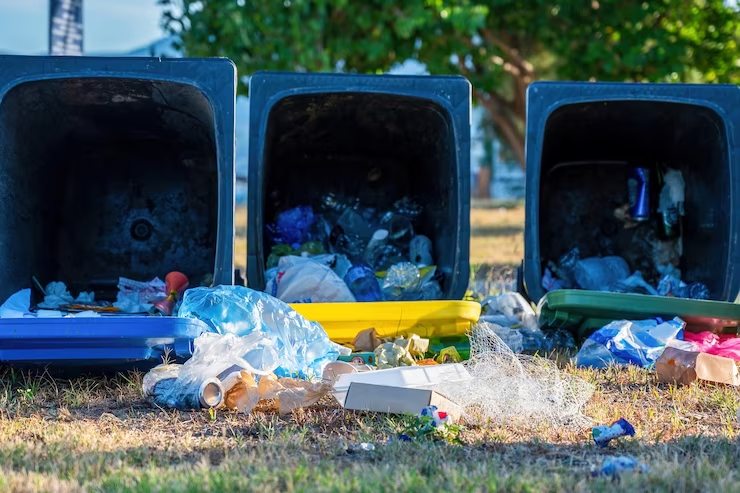
Around 7 million tonnes of food is thrown away by households in the UK every year when most of this could have been eaten.
It usually ends up in landfill sites where it rots and releases methane which is a damaging greenhouse gas. Throwing away food is a huge waste of energy, waste of water and packaging used in its production, waste of transportation and storage.
If we all stopped wasting food which could have been eaten, it would have the same CO2 impact as taking 1 in every 4 cars off UK roads.
Before any food enters the kitchen or store room all outer packaging must be removed and thrown away, the outer packaging may have touched the floor during the transportation and contain dirt. Food waste and other waste should be removed frequently from the food handling areas.
Sufficient containers should be provided and placed conveniently where the waste occurs. Pedal bins are recommended so you don’t need to touch the bin with your hands.
Waste should be kept away from food storage and handling areas.
You must remove food waste and other rubbish from rooms where food is present regularly to avoid build up. Food waste and other rubbish must be put into sealable containers. You may use other types of containers or systems to throw out your food waste, subject to local procedures.
Any containers used must be:
- Solid and strong
- Kept in good condition
- Easy to clean and to disinfect
Stores for waste must be designed and managed in a way that enables them to be kept clean and free of pests.
If you produce waste from cooking oil, then you must ensure it is stored properly and it should not be allowed to spill.
Cooking oil or waste from cooking oil must not be poured down drains or sewers because it causes:
Blockages
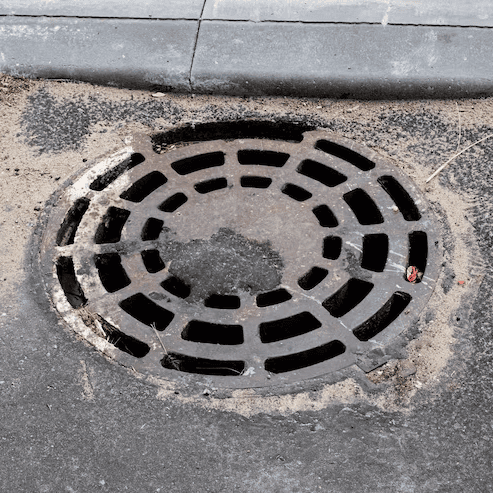
Bad smells
Vermin problems

Problems for wildlife
If you are working in business premises, cooking oil waste should be collected by an authorised collector.
If you are working in someone’s home, you can place waste cooking oil back into a resealable container. Allow it to cool first. Small amounts of cooking oil can be added to your food waste recycling service or into the general waste bin.
CompostingMany councils now collect food waste, which is then recycled instead of going into a landfill site. If you do not have a food waste collection service, you can dispose of food waste from a home or workplace by composting. Find out more about composting from Recylenow.
.svg)



