

You might hear food poisoning referred to as foodborne illness or foodborne disease. There are more than 250 foodborne diseases.
Food can become contaminated at different stages from production to cooking, for example:
These are the four most common ways food can become contaminated:
Microorganism – Bacteria, fungi, viruses and parasites can develop, multiply or remain active in the food if the food is not stored correctly, prepared correctly, handled correctly or cooked sufficiently.
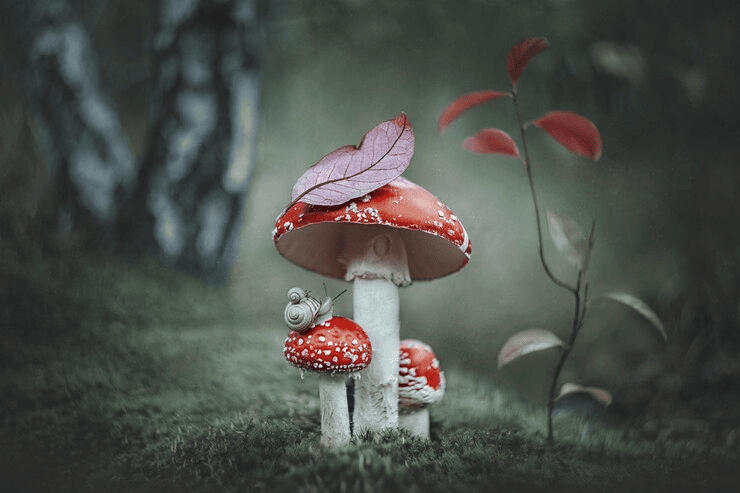
Chemicals including natural toxins. Natural toxins can be found in foods that can lead to illness or even death if ingested.
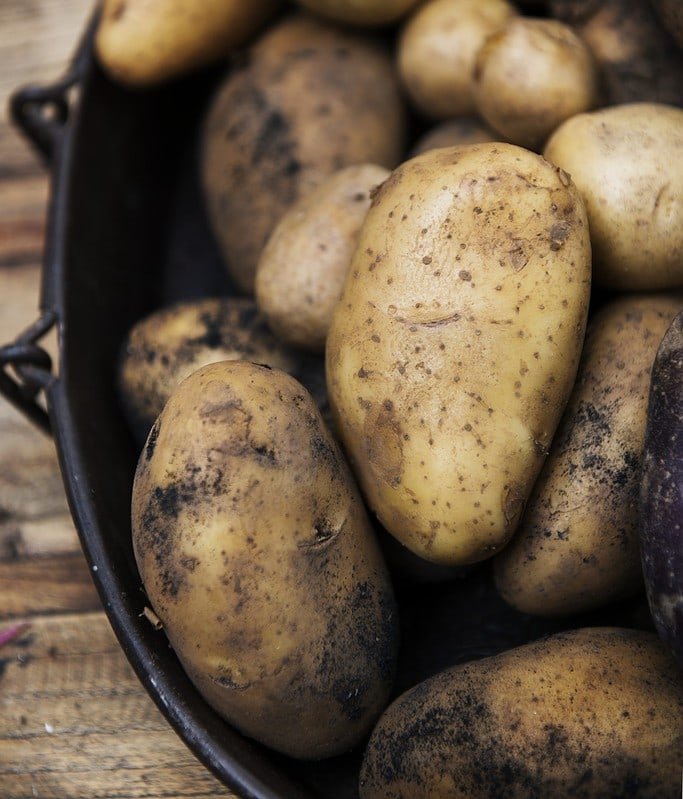
Take particular care with foods such as poisonous mushrooms, sprouting potatoes, kidney beans, rhubarb leaves, egg whites and some kinds of fish.

Physical hazards can happen at any stage of the production process and is usually visible.
These can be clothes fibres, hairs, animal droppings, finger nails, insects and dirt.
Food spoilage is caused when food decays. Bacteria and Fungi are the main factors in food decomposition.
Moulds produce highly toxic substances such as mycotoxins, neurotoxins and aflatoxins which can be extremely harmful.
Ambient temperatures, oxygen and water speed up decay, allowing bacteria and fungi to multiply.
Which means we can slow down the rate of decay by reducing the temperature and storing food in air tight containers to reduce oxygen and moisture levels.
Spoilt food can often taste different, change colour and change texture or smell, which can be a great help in detecting spoiled food.
.svg)



