
Overview of the industry:
Carpentry typically involves structural work, such as framing buildings, roofing, and installing wooden structures on construction sites. Joinery focuses on creating wooden components like doors, windows, and furniture, often in a workshop setting.
Health and Safety: Understanding workplace safety, risk assessments, and PPE (Personal Protective Equipment).
PPE stands for Personal Protective Equipment. It is important because it protects workers from injuries and health hazards, such as dust, sharp tools, and loud noises.
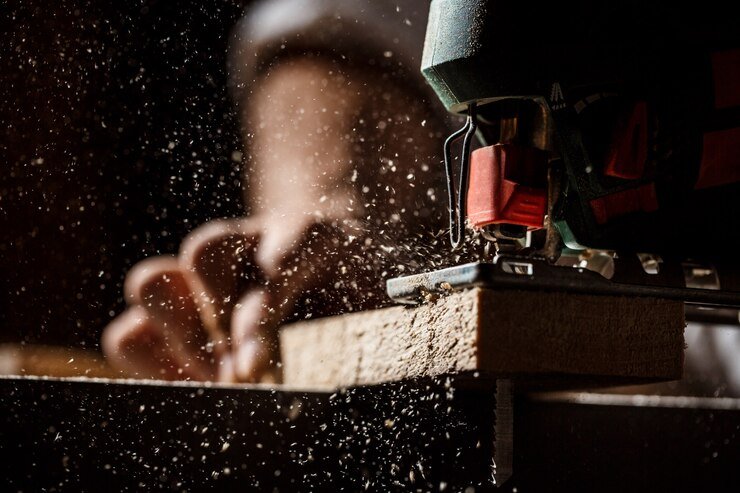
There are three types of PPE used in carpentry and joinery.
Safety glasses.
Ear protection.
Steel-toe boots.
A risk assessment identifies potential hazards in the workplace and outlines measures to reduce or eliminate risks, ensuring a safer working environment.
There are three common hazards in a carpentry workshop.
1.Dust from cutting or sanding wood.
2.Sharp tools like chisels and saws.
3.Heavy materials that could cause injury if not handled properly.
Tools and Equipment: Introduction to hand tools, power tools, and machinery.
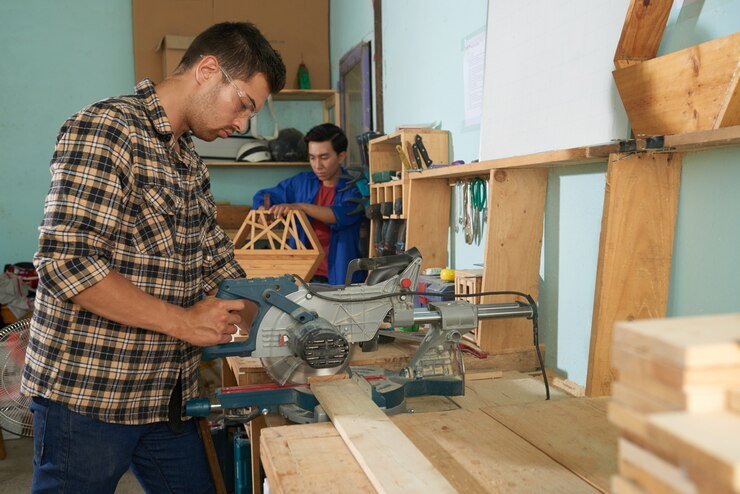
Workshop Practices: Safe use of tools, maintaining a clean workspace, and tool storage.
.svg)



