
Joinery Basics: Types of joints (e.g., butt joints, halving joints, mortise and tenon).
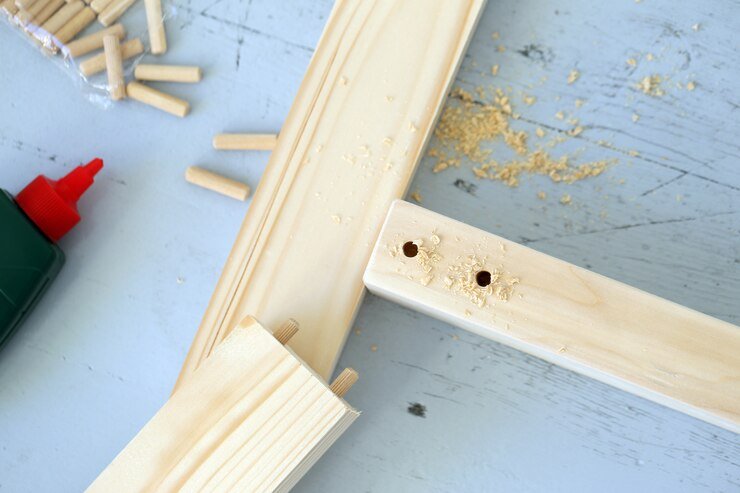
A butt joint is a simple joint where two pieces of wood are joined by gluing or nailing them end-to-end or edge-to-edge.It's the simplest way to join wood, but it's not always strong enough on its own. Butt joints are often used in furniture, picture frames, and boxes.
Halving joints is a woodworking joint where two pieces of timber are joined by cutting each piece halfway through its thickness at the point where they meet, allowing them to overlap and create a flush surface when assembled; essentially, "halving" the thickness of each piece at the joint to connect them together.
Mortise and tenon is a woodworking joint where a protruding piece of wood called a "tenon" fits snugly into a carved-out hole called a "mortise" on another piece of wood, creating a strong connection between the two pieces, typically at a 90-degree angle; essentially, it's like a "peg-in-a-hole" connection with added stability and strength.
Assembly Techniques: Gluing, clamping, and screwing.
In carpentry and joinery, "gluing" refers to the process of using a specialized wood adhesive (commonly called "wood glue") to securely bond two or more pieces of wood together, creating a strong joint by attaching the wood fibers at their contact points, typically used to assemble furniture, build structures, or create intricate woodworking projects; essentially, it's the primary method to join wood pieces without relying solely on mechanical fasteners like nails or screws.
Clamping holds pieces of wood together firmly while the adhesive dries, ensuring a strong and secure bond.
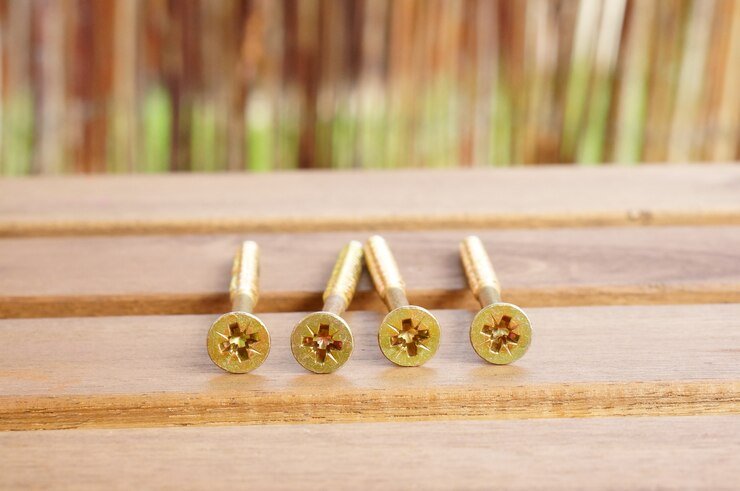
In carpentry and joinery, "screwing" refers to the act of attaching two pieces of wood together using a screw, a threaded metal fastener that creates a strong mechanical connection between the wood pieces, typically used for assembling furniture, attaching hardware like hinges, and securing components within a larger structure; essentially, it's a common method of joining wood by driving a screw through one piece and into the other to hold them together securely.
Building Simple Projects: Constructing small items like shelves, boxes, or frames.
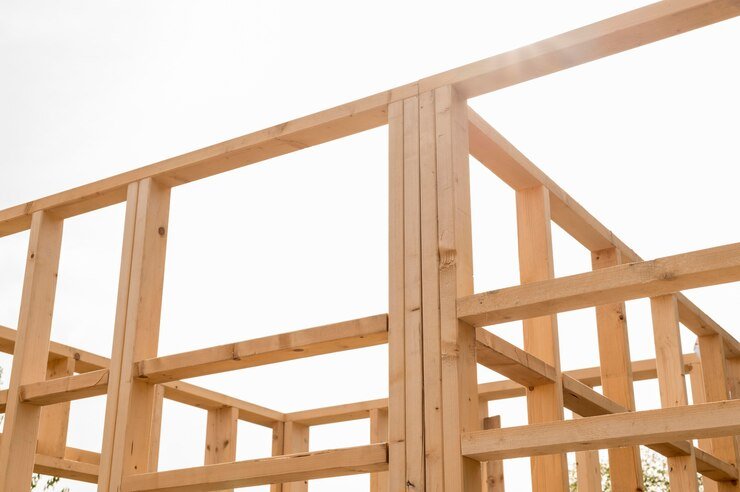
Introduction to Framing: Basic wall framing and roof trusses.
.svg)



