
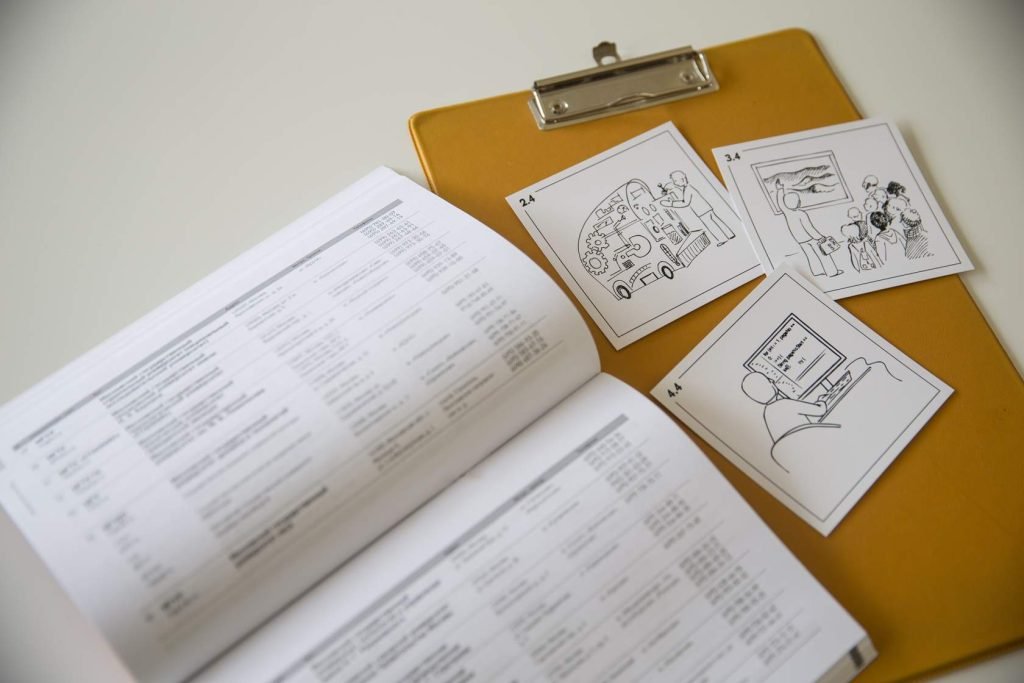
A diagnosis is the formal identification of autism and is usually carried out by a multi-disciplinary team.
Having an autism assessment and getting an official diagnosis means that someone with autism will be able to access the right support, tailored to their level of need.

GP
The first step is to make an appointment with a GP or a health visitor in the case of young children, so the necessary referrals and appointments can be made.
It is important to list the behaviours, challenges and strengths and share these during the process of diagnosis.
Psychiatrist and / or psychologist
Not everyone is diagnosed early in life.
It is quite common for a child to get their diagnosis when they are older, or even an adult, particularly if they do not have accompanying learning disabilities.
For most adults, the Psychiatrist or Psychologist will talk to the individual. Often this will include interviews and assessments based upon someone’s history, their challenges, their needs, their communication and interaction difficulties, their support network and strengths.

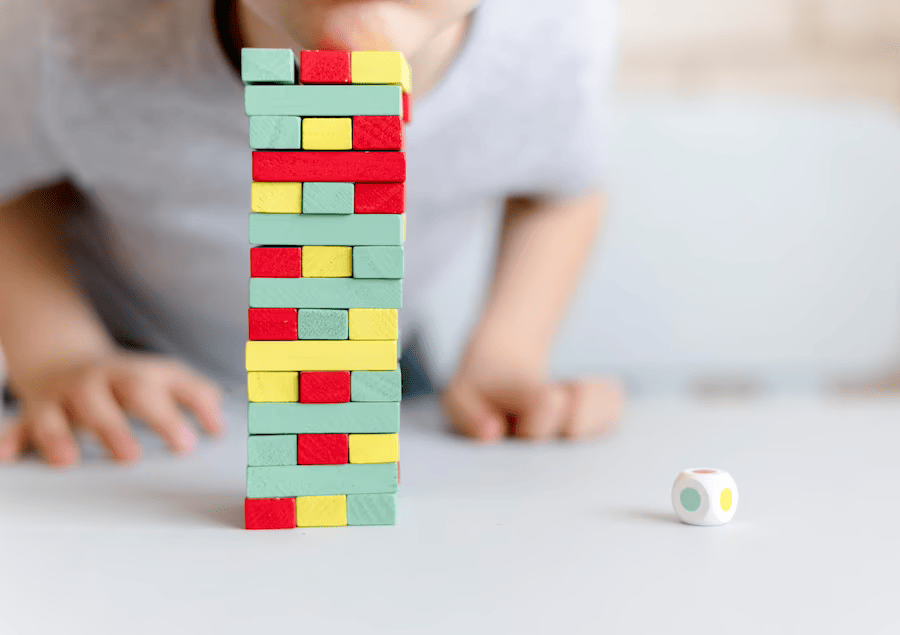
Paediatrician
Autism diagnosis in children can happen at any age and is a lengthy process.
A Paediatrician is an expert in child development and health and will take a detailed history as part of the assessment process alongside gathering information from various sources about the child, their development, functioning, challenges and strengths.
Speech and language therapist
Some people with autism have difficulties communicating, some have limited or no verbal speech and some struggle with interpreting communication from others.
A speech and language therapist will identify the communication methods the individual uses and support them to develop their skills. They will also work with family members and other carers so they can better understand the communications strategies that the person uses and how they can support them.

DSM-5-TR criteria for autism spectrum disorder diagnosis
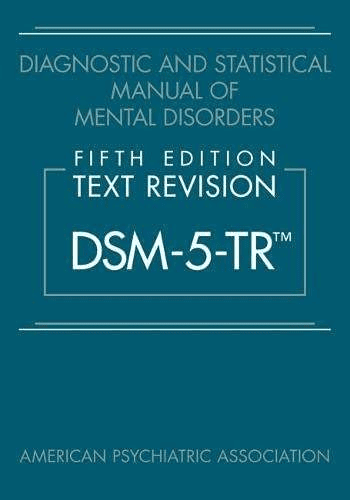
Professionals diagnose autism spectrum disorder on the basis of difficulties in 2 areas:
- -Social communication
- -Restricted, repetitive and/or sensory behaviours or interests
To be diagnosed with autism spectrum disorder, someone must have difficulties and differences from what’s typical in both areas and have had characteristics from early childhood, even if these aren’t picked up until later in childhood.
DSM-5-TR is regarded as being clearer and simpler and includes sensory issues which affect many people with autism. It defines Autism spectrum disorder as:
“Persistent difficulties with social communication and social interaction” and “restricted and repetitive patterns of behaviours, activities or interests” (this includes sensory behaviour), present since early childhood, to the extent that these “limit and impair everyday functioning”.
Most of the people you support will already have a diagnosis.
This means they will have access to additional benefits and support.
.svg)



