
Module 2: Architectural Metalwork Applications
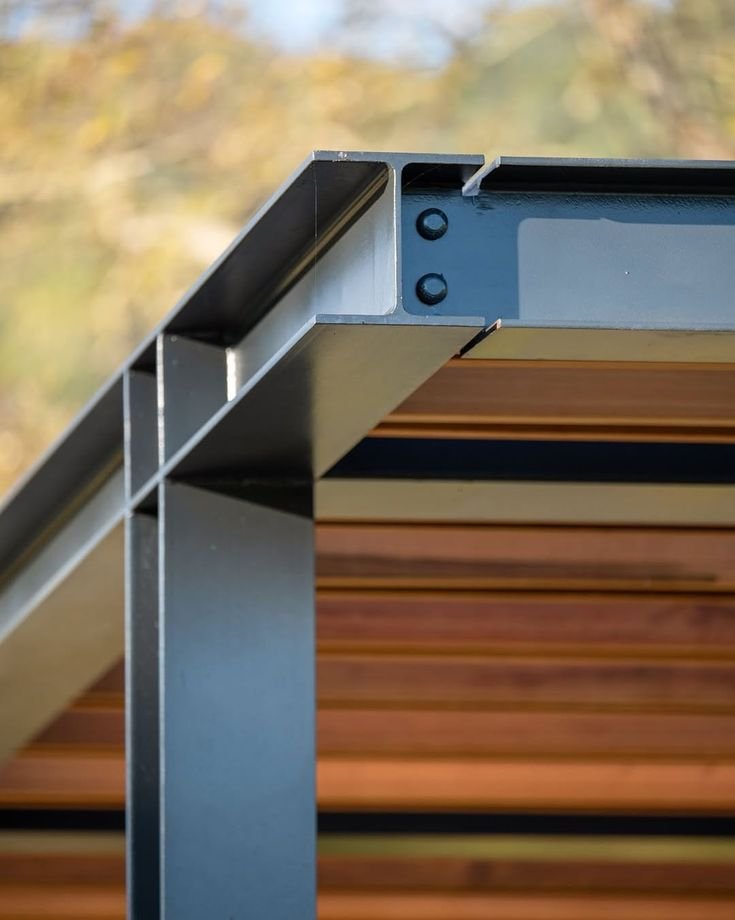
1. Structural Metalwork
Structural metalwork forms the backbone of modern construction, providing strength and stability to buildings, bridges, and large-scale infrastructure.
Steel Framing for Buildings and Bridges
Building Framing:
Steel I-beams, columns, and trusses create open, column-free interior spaces.
Used in high-rises, industrial facilities, and modular construction.
Advantages over concrete: Faster erection, higher strength-to-weight ratio.
Bridge Construction:
Steel girders and box sections span long distances with minimal supports.
Prefabricated sections allow for rapid on-site assembly.
Corrosion protection (galvanizing/painting) is critical for longevity.
Load-Bearing Connections & Seismic Considerations
Connection Types:
Bolted connections (high-strength friction grip bolts) for easy disassembly.
Welded connections for permanent, rigid joints in moment frames.
Seismic Design:
Ductile detailing allows structures to bend without breaking during earthquakes.
Energy-dissipating devices (e.g., buckling-restrained braces) reduce shock loads.
Base isolation systems decouple the building from ground motion.
2. Decorative & Functional Metalwork
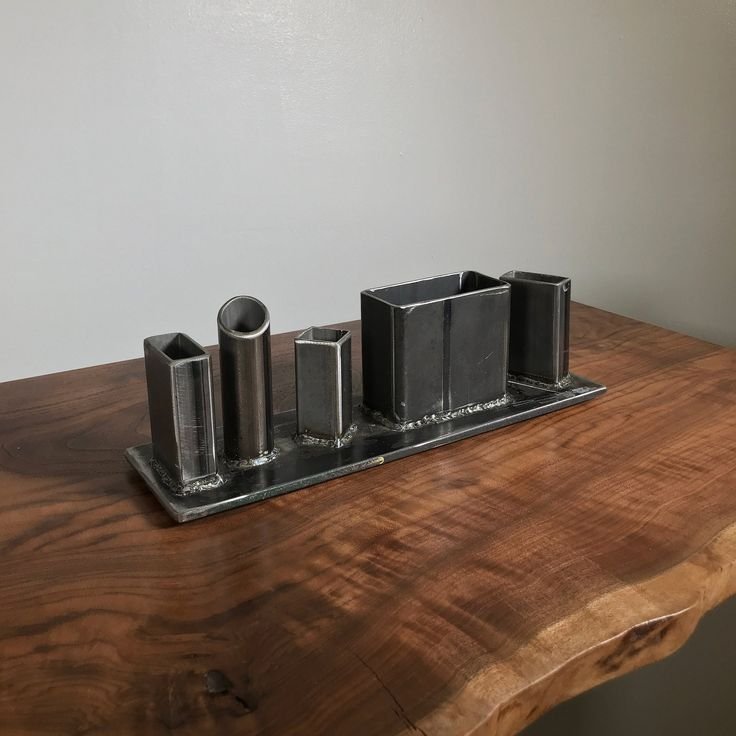
Architectural metalwork blends artistry with engineering, creating visually striking yet practical elements.
Staircases, Railings, and Balustrades
Design Considerations:
Compliance with building codes (e.g., ADA handrail height, tread dimensions).
Glass-and-metal combinations for modern aesthetics.
Fabrication Techniques:
CNC-cut stringers and laser-cut baluster panels for precision.
Forged ironwork for traditional ornamental designs.
Ornamental Gates, Screens, and Façades
Gates & Fences:
Wrought iron, laser-cut steel, or bronze for historic and contemporary styles.
Automated sliding gates with embedded safety sensors.
Decorative Screens:
Perforated metal or intricate latticework for sun shading/privacy.
Often powder-coated for weather resistance.
Artistic Façades:
3D metal cladding panels create dynamic building exteriors.
Custom patinas on copper for evolving color effects over time.
3. Cladding & Curtain Wall Systems
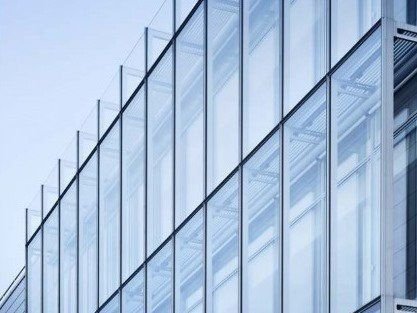
Metal cladding protects buildings while enhancing their visual appeal.
Installation of Aluminum & Steel Panel Systems
Panel Types:
Composite Panels: Aluminum skins over insulation (lightweight, insulated).
Cassette Systems: Interlocking panels for seamless façades.
Standing Seam Roofing: Concealed fasteners for waterproof metal roofs.
Installation Process:
Subframe construction ensures proper alignment and load distribution.
Thermal breaks prevent condensation and heat transfer.
Weatherproofing & Thermal Expansion Considerations
Sealing & Joint Design:
Silicone sealants and gaskets prevent water infiltration.
Expansion joints accommodate metal movement due to temperature changes.
Thermal Performance:
Insulated back panels improve energy efficiency.
Reflective coatings reduce solar heat gain.
Conclusion
This module bridges the gap between structural integrity and artistic expression in architectural metalwork. Students will gain hands-on experience in fabricating and installing critical building components, from earthquake-resistant steel frames to eye-catching decorative elements.
.svg)



