
Module 4: Roof Repairs, Maintenance & Estimating

This module equips roofing professionals with advanced diagnostic, repair, and planning skills to extend roof lifespan, minimize water damage, and accurately estimate project costs.
1. Leak Detection & Troubleshooting (Common Failure Points)
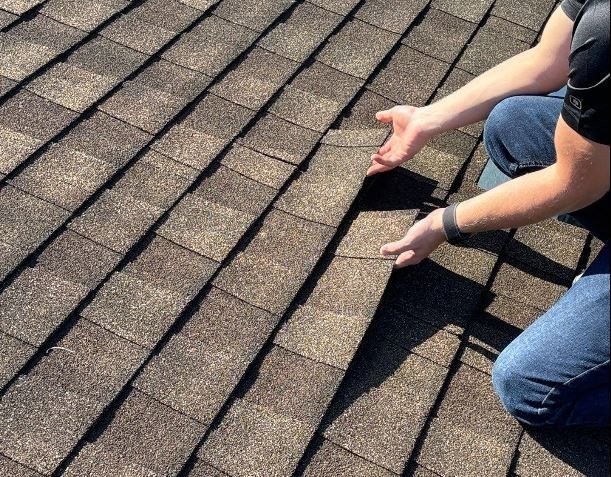
Roof leaks often originate from predictable areas. Systematic inspection techniques help locate and resolve issues efficiently.
Key Subtopics:
Common Leak Locations:
Flashing failures (chimneys, vents, skylights, wall transitions).
Clogged or improperly installed gutters/downspouts.
Cracked vent boots, deteriorated sealants, or missing shingles.
Inspection Methods:
Infrared Thermography: Identifies moisture trapped under membranes.
Water Testing: Simulates rain to trace infiltration paths.
Visual Checks: Blistering, granule loss, or rusted flashing.
Attic Inspections:
Stains, mold, or daylight visible through roof deck indicate leaks.
2. Patching & Re-Roofing Techniques (Shingle Replacement, Membrane Repairs)
Proper repair methods vary by material and damage severity.
Key Subtopics:
Asphalt Shingle Repairs:
Lift-and-Slide Method: Replacing individual shingles without damaging adjacent ones.
Sealant Application: Temporarily fixes lifted shingles until replacement.
Flat Roof Membrane Repairs:
Patch Installation: Cutting out damaged sections and welding/seaming new material.
Liquid Coatings: Elastomeric coatings for small cracks or blisters.
Partial vs. Full Re-Roofing:
Overlay Limitations: Building codes often restrict second shingle layers.
Tear-Off Best Practices: Safe debris disposal and substrate inspection.
3. Material Estimation (Calculating Squares, Waste Factors)

Accurate estimates prevent project delays and cost overruns.
Key Subtopics:
Measurement Basics:
1 Square = 100 sq. ft. (Standard roofing measurement unit).
Slope Factor Adjustments: Steeper roofs require more material (e.g., 12/12 pitch adds ~41% surface area).
Waste Calculation:
10–15% Waste Standard: Complex roofs (valleys, dormers) may need 20%.
Membrane Rolls: Account for seam overlap (2–4 inches per roll).
Accessory Quantities:
Flashing, nails, underlayment, and adhesives based on roof type.
4. Reading Blueprints & Roof Plans (Slope, Drainage, Penetrations)
Interpreting construction documents ensures compliance with design intent.
Key Subtopics:
Blueprint Symbols:
Identify rafters, vents, drains, and HVAC penetrations.
Slope Indicators:
Pitch Notation (e.g., 4:12): Vertical rise per 12" horizontal run.
Drainage Requirements: Low-slope roofs need tapered insulation or scuppers.
Penetration Details:
Verify flashing types/sizes for pipes, curbs, and edges.
Why This Module Matters
Leaks cause 80% of roofing insurance claims (IBHS).
Improper estimates lead to 5–15% budget overruns (NRCA).
Blueprint errors result in failed inspections or structural issues.
Interactive Exercise Suggestion:
Provide sample blueprints for trainees to calculate materials and identify leak risks.
.svg)



