
Module 2: Commercial & Residential Roofing Systems
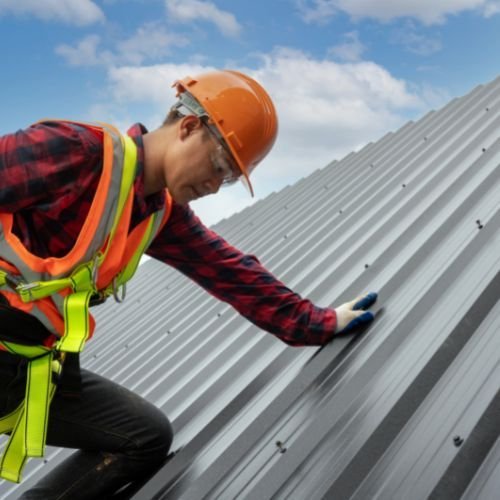
This module covers advanced installation techniques for the most common roofing materials in residential and commercial construction. Roofers will learn proper material handling, cutting, fastening, and waterproofing methods to ensure durable, weather-resistant roofs.
1. Asphalt Shingles (Advanced Techniques)
Asphalt shingles are the most common residential roofing material due to their affordability and ease of installation. This section focuses on precision techniques for complex roof features.
Key Subtopics:
Valley Installation:
Open Valley vs. Closed Valley: When to use woven or cut valleys for optimal water drainage.
Ice & Water Shield: Mandatory in cold climates to prevent ice dam leaks.
Ridge & Hip Ventilation:
Proper alignment of ridge vents to ensure airflow and prevent moisture buildup.
Specialized hip shingle cutting for seamless transitions.
Starter Shingles & Drip Edge:
Correct placement to prevent wind uplift and water infiltration.
Flashing Around Chimneys & Skylights:
Step flashing integration with shingles for a watertight seal.
2. Metal Roofing (Standing Seam, Corrugated, Fastener Techniques)
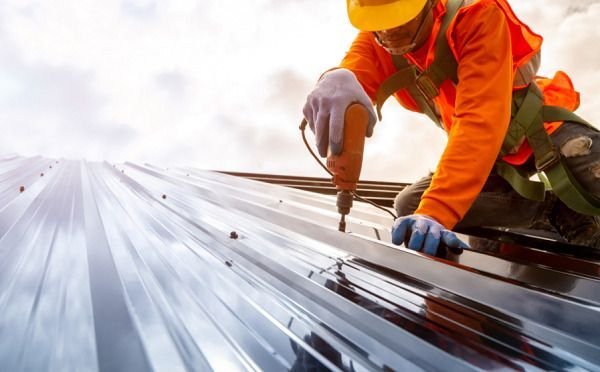
Metal roofing is durable, energy-efficient, and increasingly popular for both residential and commercial applications.
Key Subtopics:
Standing Seam vs. Corrugated Panels:
Standing Seam: Concealed fasteners, interlocking seams for superior weather resistance.
Corrugated: Exposed fasteners, more economical but requires regular maintenance.
Fastening Techniques:
Hidden clips vs. exposed screws (proper torque to avoid over-tightening).
Expansion/contraction allowances to prevent warping.
Flashing & Trim Details:
Endwall, sidewall, and eave flashing for water diversion.
Cutting & Shaping Metal:
Using nibblers or shears (avoid heat-generating tools that damage coatings).
3. Single-Ply Membranes (TPO, PVC, EPDM – Adhesive vs. Mechanical Attachment)
Single-ply membranes are widely used in low-slope commercial roofing due to their lightweight and reflective properties.
Key Subtopics:
Material Differences:
TPO (Thermoplastic Olefin): Heat-weldable, UV-resistant, cost-effective.
PVC (Polyvinyl Chloride): Highly durable, chemical-resistant, often used in harsh environments.
EPDM (Ethylene Propylene Diene Monomer): Rubber-like flexibility, ideal for extreme temperatures.
Installation Methods:
Fully Adhered: Glued directly to substrate for maximum wind resistance.
Mechanically Attached: Fastened with plates and screws (common in high-wind regions).
Ballasted: Held down by gravel or pavers (requires proper drainage).
Seam Welding (Hot Air vs. Chemical):
Ensuring leak-proof seams with proper temperature and pressure.
4. Modified Bitumen (Torch-Down & Cold-Applied Methods)
Modified bitumen is a hybrid of built-up roofing (BUR) and single-ply membranes, offering flexibility and durability.
Key Subtopics:
Torch-Applied Systems:
Requires propane torches to melt adhesive layers (fire safety precautions essential).
Proper overlap (2-4 inches) for waterproofing.
Cold-Applied Systems:
Peel-and-stick or liquid-applied adhesives (safer but slower curing).
Base Sheet & Cap Sheet Installation:
Reinforced fiberglass or polyester mats for tear resistance.
Flashing & Edge Details:
Reinforcing seams at parapet walls and penetrations.
5. Tile & Slate Roofing (Proper Underlayment, Cutting, Installation)
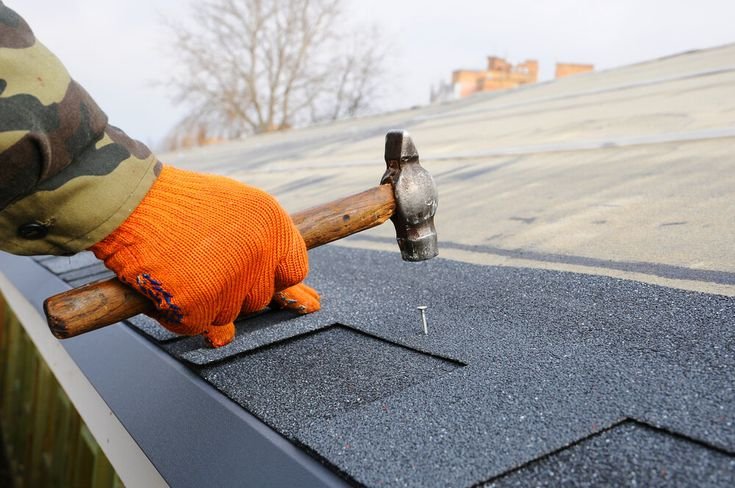
Tile and slate roofs are premium, long-lasting options but require specialized installation techniques.
Key Subtopics:
Underlayment Requirements:
High-quality synthetic underlayment or ice/water shield in critical areas.
Cutting & Fitting Tiles:
Using wet saws or nibblers for precise cuts (avoid brittle fractures).
Fastening Methods:
Clay/Concrete Tiles: Nails or clips (must allow for expansion).
Slate Roofing: Copper nails for longevity, avoiding overdriving.
Flashing & Drip Edge Integration:
Heavy-duty metal flashing for valleys and chimneys.
Why This Module Matters
Each roofing system has unique installation challenges that, if mishandled, lead to leaks, wind damage, or premature failure. This module ensures roofers master best practices for material-specific techniques, improving workmanship and reducing callbacks.
.svg)



