
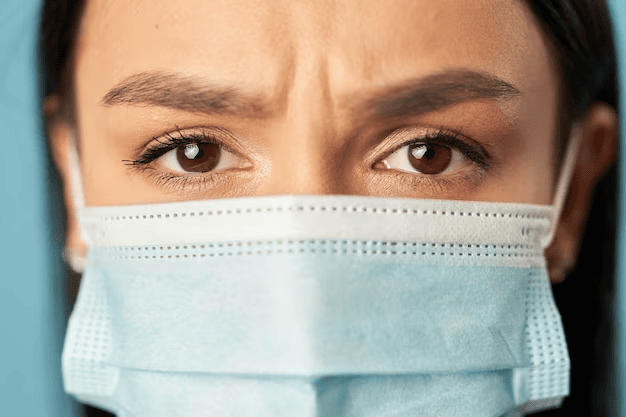
PPE stands for
Personal Protective Equipment.
PPE is used in all areas of industry.
Its purpose is to protect employees from hazards, for example, steel toe capped boots on building sites and hard hats when there is risk of head injury from falling objects.
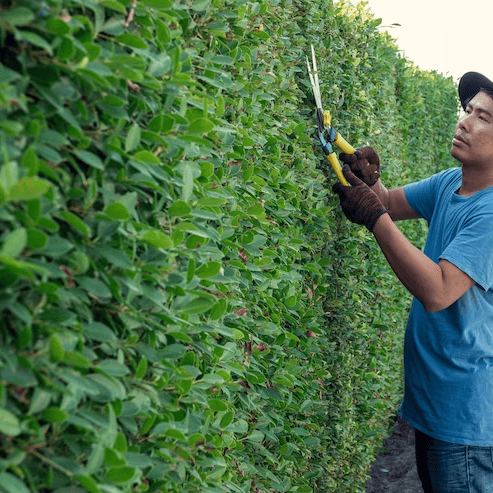


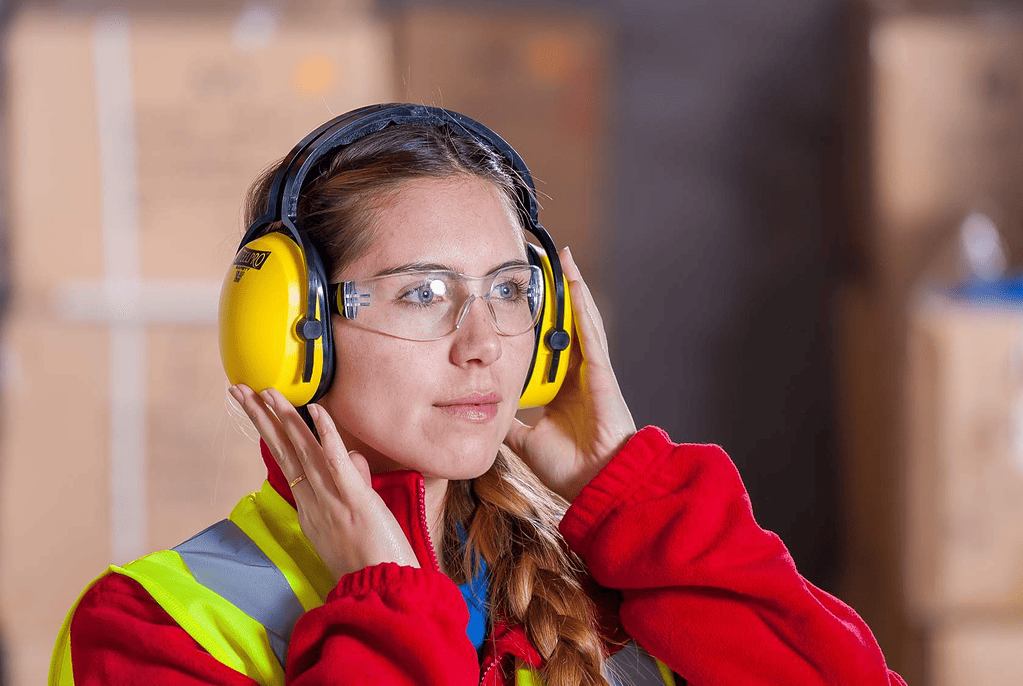
In social care PPE is mostly worn to protect…
In certain circumstances, for example, during the COVID-19 pandemic, it is also worn for the protection of other people.
People with underlying health conditions can have lower immunity and resistance to biological hazards (or biohazard), like a Coronavirus.
Most of the hazards in social care arise from exposure to bodily secretions, biohazards and chemicals.
Some examples of these are…
Types of PPE
In social care people use gloves, aprons, gowns, hats, eye protection, shoe covers, alcohol hand rub and fluid resistant surgical face masks. There are also different types of each of these including different types of face mask which are used for specific circumstances.
Managers need to identify the potential hazards to decide on the level and type of PPE required.
This is called a “risk assessment”.
-Essentials/assets/tep7_q0-EEpS07uf_boXjidD4_9MBK-XY.png)
In social care, gloves and aprons are most commonly used.
Masks are only usually worn for specific situations. This is because seeing someone wearing a mask can be frightening for some individuals. However, more recently, the use of masks and face coverings has increased specifically to reduce the risk of transmitting Coronavirus.
The purpose of PPE is to provide a sufficient barrier to the hazard to reduce, as far as possible, the risk of contact with, or transmission of, a potentially harmful substance.

So, what happened to choice and control?
Social care is usually focused on individuals’ preferences and choices. Due to the high risk of serious illness and potential death posed by Coronavirus, in most situations, the risks to everyone will outweigh an individual’s choice in this matter. Careful explanation is required, particularly for individuals who lack the mental capacity, to understand what is happening.
.svg)



