
Module 5: Smart & Automated Interior Systems
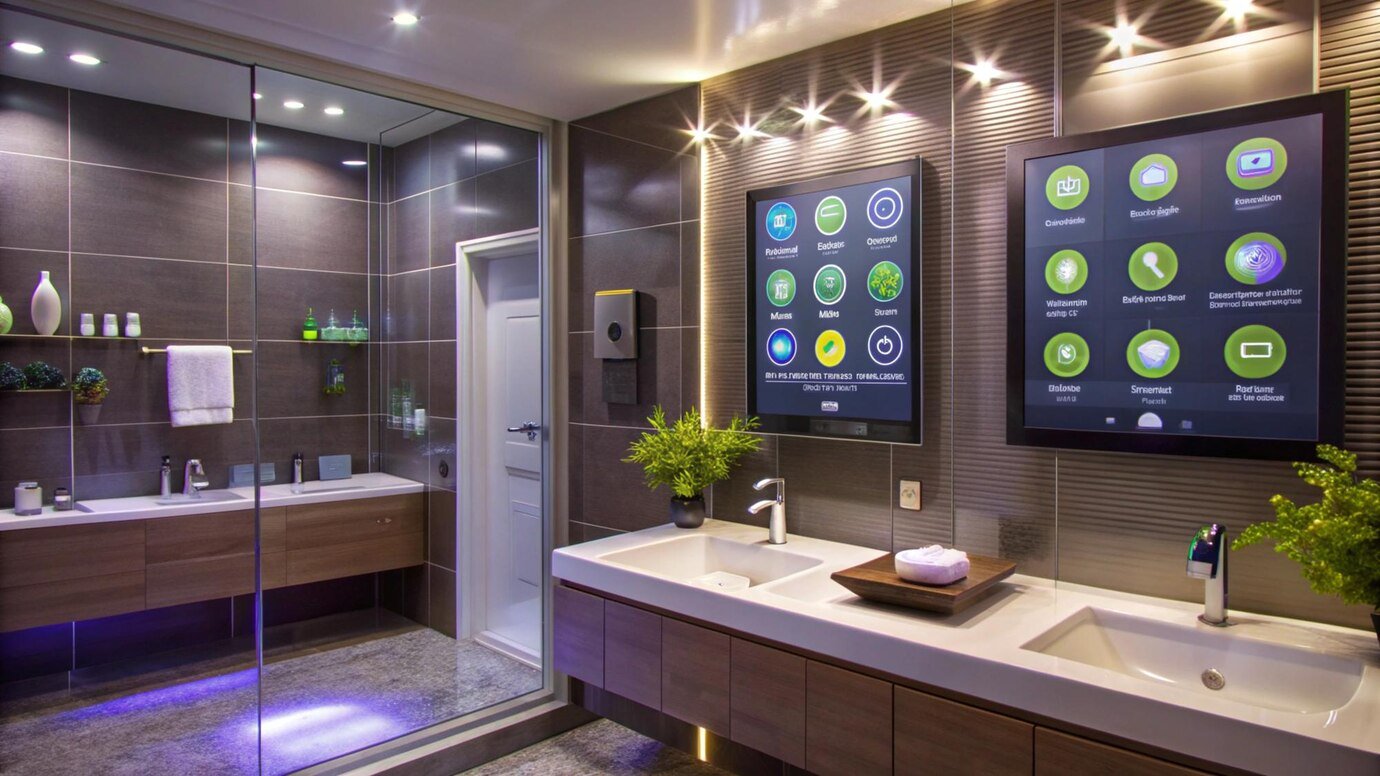
This module explores the integration of IoT (Internet of Things), AI, and automation into interior spaces, transforming them into responsive, adaptive environments. Students will learn to design smart systems that enhance user experience, optimize energy efficiency, and improve functionality—while addressing critical concerns like privacy and cybersecurity.
Core Objectives Breakdown
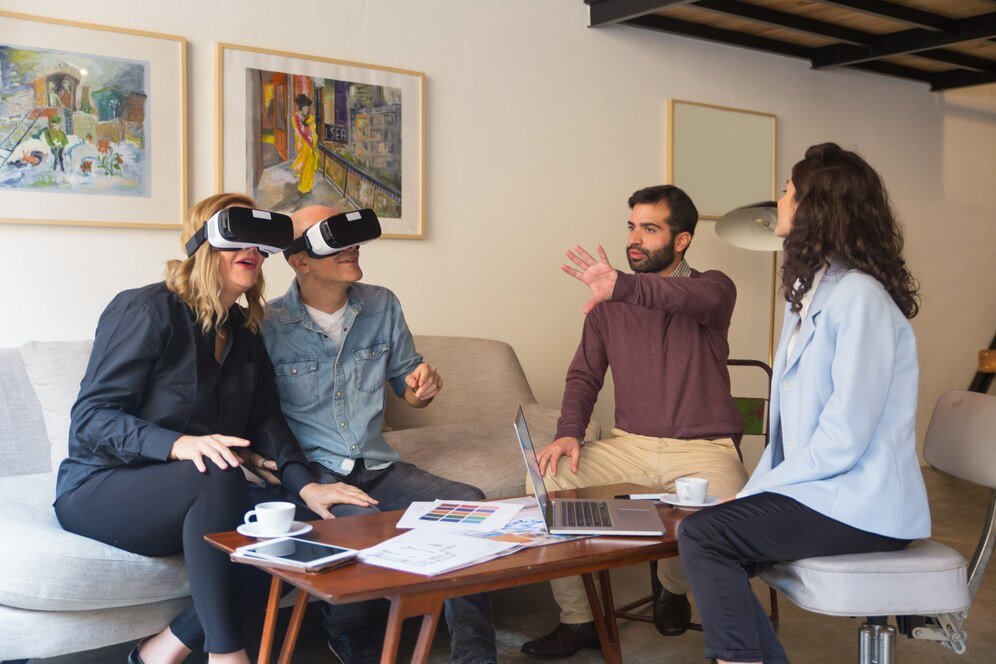
1. IoT & AI Integration in Interiors
Smart interiors leverage connected devices and AI to create seamless, intuitive environments.
Key Components:
Sensors & Actuators: Motion, temperature, occupancy, and air quality sensors.
Centralized Hubs: Smart home controllers (e.g., Control4, Crestron, KNX).
Machine Learning: AI that learns user habits (e.g., adjusting lighting based on routines).
Applications:
Predictive Climate Control: AI adjusts HVAC before occupants arrive.
Adaptive Lighting: Systems that change based on time of day or activity.
2. Voice & App-Controlled Environments

Voice assistants and mobile apps allow users to interact with spaces effortlessly.
Popular Platforms:
Amazon Alexa, Google Assistant, Apple HomeKit.
Custom-Branded Apps: For hotels, offices, or luxury residences.
Use Cases:
"Goodnight" command turns off lights, locks doors, and adjusts thermostat.
Personalized Guest Experiences in hospitality (e.g., voice-controlled room service).
3. Home & Building Automation
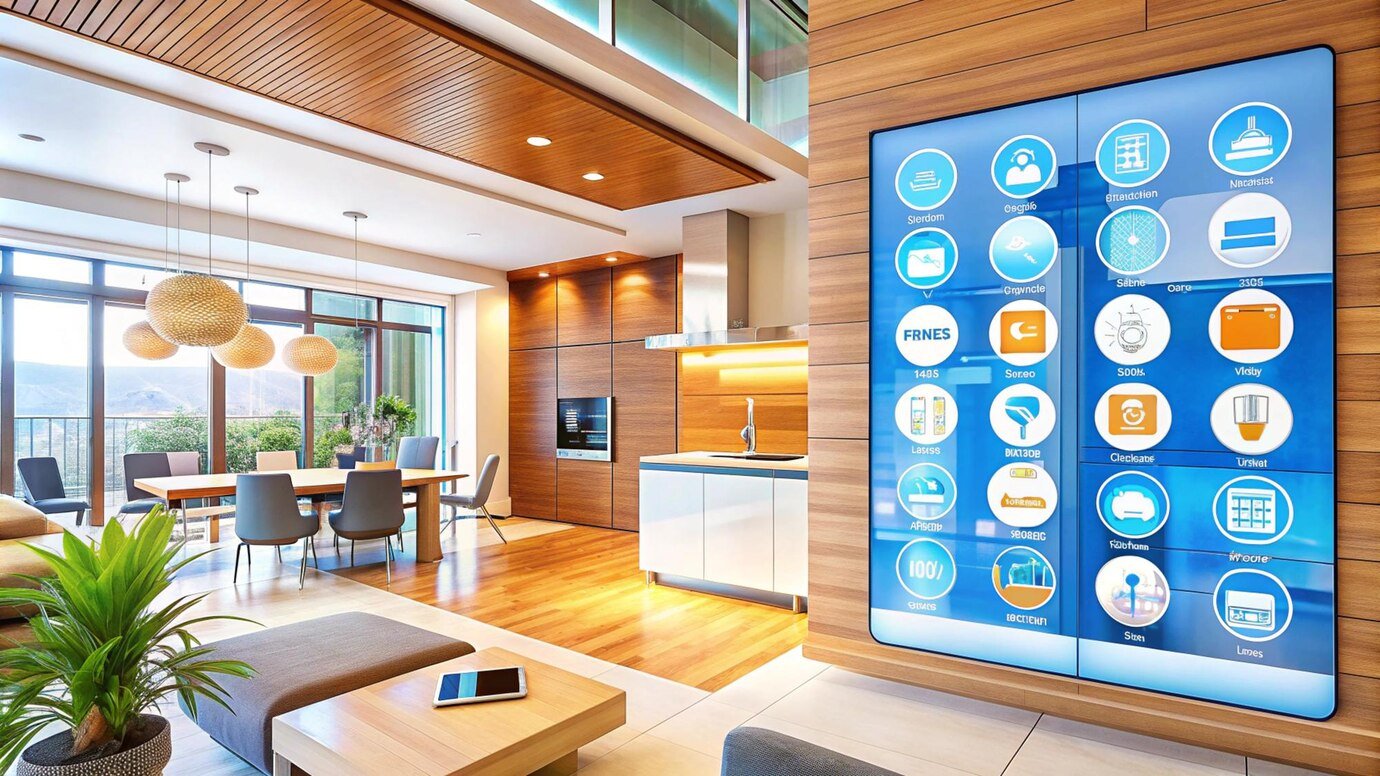
Automation enhances convenience, security, and energy efficiency.
Lighting Automation:
Motion-activated pathways.
Circadian rhythm-based tuning.
Security & Access Control:
Smart locks (keyless entry via phone/voice).
AI-powered surveillance (facial recognition, anomaly detection).
Climate & Energy Management:
Smart thermostats (Nest, Ecobee).
Automated blinds that adjust with sunlight.
4. Adaptive & Kinetic Interiors
Spaces that physically reconfigure based on needs.
Modular Systems:
Movable walls, foldable furniture (e.g., hotel rooms that convert from office to bedroom).
Robotic furniture (self-adjusting tables, retractable beds).
Kinetic Architecture:
Responsive façades that adjust to weather.
Dynamic room dividers for flexible space usage.
5. Privacy & Cybersecurity in Smart Spaces

As interiors become more connected, protecting user data is critical.
Risks:
Hacking of smart devices (cameras, microphones).
Data leaks from unsecured IoT networks.
Solutions:
End-to-End Encryption: Secure communication between devices.
Local Processing: Minimize cloud dependency (e.g., Apple’s HomeKit Secure Video).
User Permissions: Granular control over data sharing.
Assignment: Smart Hotel Room Proposal
Students will design a smart hotel room integrating IoT, AI, and automation, covering:
System Selection:
Lighting (voice/app control, motion sensors).
Climate (smart thermostat, automated vents).
Security (keyless entry, privacy modes).
Guest Experience Enhancements:
Personalized wake-up routines (lights + blinds + music).
AI concierge (voice assistant for room service, local recommendations).
Privacy & Security Measures:
Data protection policies.
Manual override options for guests.
Energy Efficiency:
Occupancy-based automation (lights/AC turn off when room is empty).
Example Scenario:
"A luxury hotel wants to implement smart rooms. Propose a system that balances automation with guest privacy, including voice control, adaptive lighting, and energy-saving features."
Learning Outcomes
This module prepares students for the future of responsive, intelligent interiors, where technology enhances both functionality and user experience.
.svg)



