
Module 2: Lighting Systems & Controls

Lighting is a fundamental aspect of interior design that significantly impacts aesthetics, functionality, and human well-being. This module delves into advanced lighting design strategies, focusing on creating tailored lighting schemes for various environments while incorporating smart technologies for enhanced efficiency and user experience. Students will learn how to balance visual comfort, energy efficiency, and automation to create dynamic, responsive lighting solutions.
Detailed Breakdown with Subpoints
1. Designing Advanced Lighting Schemes
Lighting must adapt to different environments—residential, commercial, hospitality, and workspaces—each requiring unique approaches.
Layered Lighting (Ambient, Task, Accent)
Ambient Lighting: Base illumination (e.g., ceiling fixtures, chandeliers) that sets the overall mood.
Task Lighting: Focused light for specific activities (e.g., desk lamps, under-cabinet kitchen lighting).
Accent Lighting: Highlights architectural features or decor (e.g., track lights, wall washers).
Case Study: How museums use accent lighting to enhance artwork visibility without glare.
Lighting for Different Environments
Offices: Glare-free task lighting with balanced ambient light to reduce eye strain.
Retail Spaces: Dynamic lighting to highlight products and influence customer behavior.
Residential: Warm, dimmable lighting for living areas vs. bright, cool lighting for kitchens.
2. Smart Lighting Controls & Automation
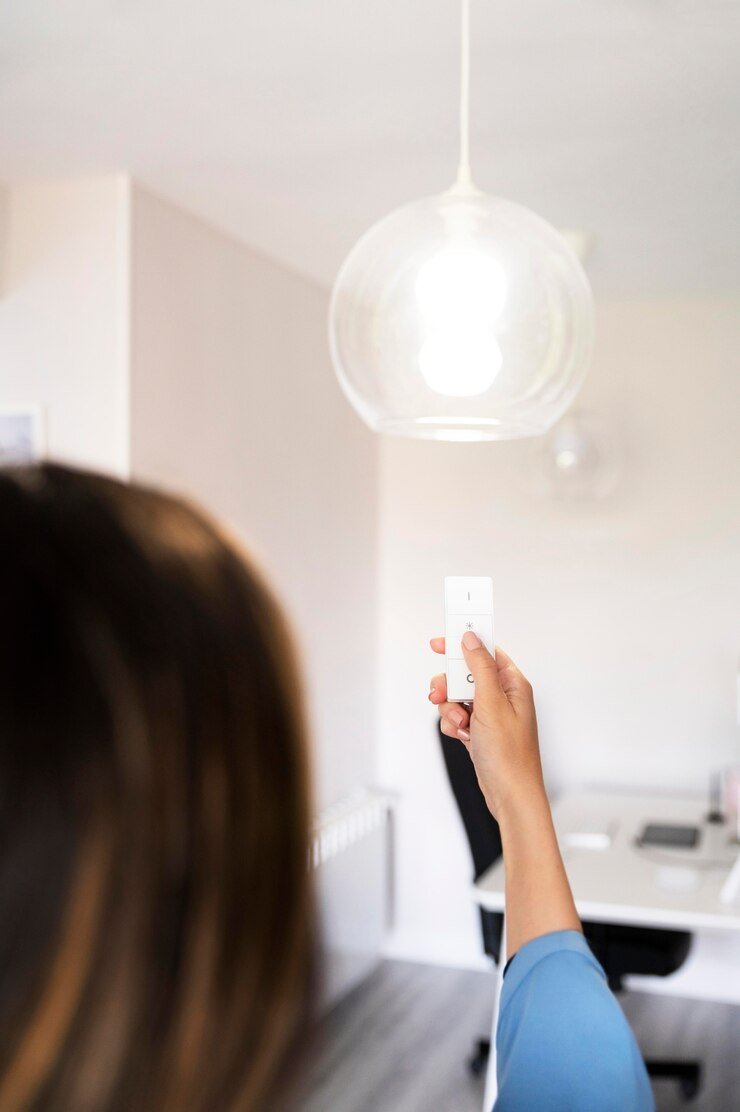
Modern lighting goes beyond switches—IoT and AI enable responsive, energy-efficient systems.
Types of Smart Lighting Controls
Motion Sensors & Occupancy Detection: Lights adjust based on movement (e.g., office corridors, bathrooms).
Voice & App Control: Integration with Alexa, Google Home, or proprietary apps.
Daylight Harvesting: Sensors adjust artificial lighting based on natural light levels.
IoT & AI in Lighting
Adaptive Learning: Systems that memorize user preferences (e.g., dimming lights at sunset).
Energy Monitoring: Real-time tracking of electricity usage for sustainability.
3. Energy-Efficient Lighting Solutions
With rising energy costs and environmental concerns, efficient lighting is crucial.
LED Technology
Benefits over traditional bulbs (longevity, lower heat emission, customizable color temps).
Tunable White LEDs: Adjust color temperature (warm to cool) for different times of day.
Daylight Integration
Strategies: Skylights, light shelves, reflective surfaces to maximize natural light.
Challenges: Avoiding glare while maintaining brightness.
4. Human-Centric & Circadian Lighting

Lighting affects health, sleep, and productivity—designing for well-being is now a priority.
Circadian Rhythm Systems
Mimics natural daylight progression (cool, bright light in the morning; warm, dim light at night).
Applications in healthcare (hospitals), offices, and homes.
Blue Light & Wellness
Reducing blue light exposure in evening hours to improve sleep quality.
5. Assignment: Smart Lighting Plan for a Home/Office
Students will apply concepts by designing a lighting scheme for a smart home or office, including:
Layout & Fixture Selection: Placement of ambient, task, and accent lighting.
Control Systems: Proposed automation (e.g., motion sensors, scheduling).
Energy Efficiency: Use of LEDs, daylight sensors, and power-saving modes.
Wellness Considerations: Circadian lighting adjustments where applicable.
Example Scenario:
"Design a lighting plan for a home office where the user works night shifts. Include tunable LEDs, blackout solutions, and automated controls to support their sleep cycle."
Learning Outcomes
By the end of this module, students will:
✔ Master layered lighting techniques for diverse environments.
✔ Integrate smart controls (IoT, sensors) into lighting designs.
✔ Apply energy-efficient and human-centric lighting principles.
✔ Develop a professional lighting plan with technical specifications.
This module equips students with cutting-edge lighting design skills, preparing them for real-world projects where technology and aesthetics intersect.
.svg)



