
Module 4: Acoustic Systems & Soundscaping
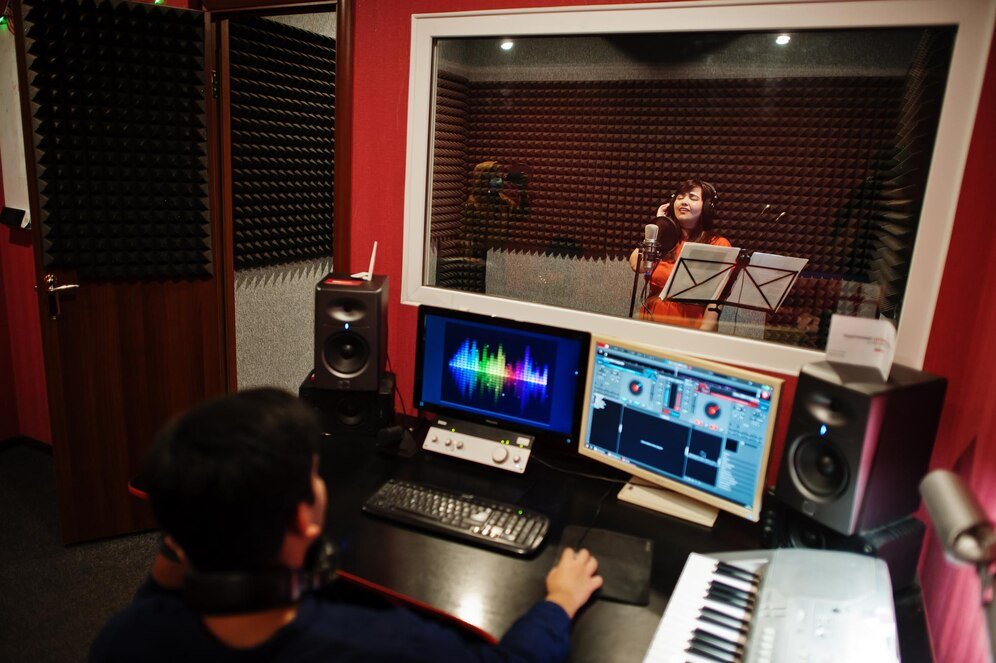
This module explores the critical role of acoustics in interior design, focusing on creating balanced sound environments that enhance functionality and comfort. Students will learn to combat noise pollution while crafting intentional soundscapes for various spaces through material selection, spatial planning, and emerging technologies.
Core Objectives Breakdown
Noise Mitigation Strategies
Identify primary noise sources (equipment, exterior traffic, human activity)
Implement sound-blocking techniques (mass barriers, decoupling assemblies)
Address flanking noise paths (structural vibrations, air gaps)
Soundscape Optimization
Design for speech intelligibility in collaborative spaces
Create auditory privacy in sensitive areas
Balance reverberation times for space functionality
Technical Components

A. Material Science Applications
Absorptive Materials:
Porous absorbers (fiberglass, foam) for high-frequency control
Panel absorbers for low-frequency management
Hybrid solutions for full-spectrum treatment
Diffusive Elements:
Quadratic residue diffusers for even sound distribution
Geometric surface treatments to break up standing waves
Customizable 3D-printed acoustic panels
B. Spatial Design Techniques
Zoning Methodologies:
Activity-based acoustic clustering
Vertical separation strategies (mezzanines, stepped floors)
Sound masking system integration
Partition Systems:
Operable sound-rated dividers (STC 45+)
Double-wall constructions with damping layers
Green wall acoustic buffers
C. Advanced Technologies
Active Noise Control:
Phase cancellation systems for consistent low-frequency reduction
Adaptive algorithms for dynamic environments
Wearable personal sound zone devices
Digital Soundscaping:
Biophilic sound masking (nature-based audio)
Dynamic reverberation enhancement
AI-powered acoustic monitoring systems
Applied Learning Project

Diagnostic Phase
Conduct a noise mapping analysis
Identify problematic frequency ranges
Interview simulated occupant personas
Design Solution
Material specification schedule with NRC/STC ratings
3D spatial plan showing acoustic zoning
Technology integration proposal
Budget-conscious implementation phasing
Performance Metrics
Predicted reverberation time reductions
Speech Transmission Index improvements
Privacy index calculations
Professional Competencies Developed

Technical Skills:
Acoustic modeling software proficiency (EASE, CATT)
Material testing standards comprehension (ASTM, ISO)
Building code compliance (ANSI S12.60)
Design Integration:
Aesthetic-acoustic product selection
Multidisciplinary coordination (MEP integration)
Sustainable material lifecycle analysis
Industry-Relevant Outcomes
Graduates will be equipped to:
Specify complete acoustic treatment packages
Troubleshoot existing problematic spaces
Advocate for hearing health in design standards
Implement cutting-edge soundscaping technologies
Supplemental Resources Available:
Current research on neuro-architectural acoustics
Manufacturer product databases
Case studies of award-winning acoustic designs
.svg)



