

Colour coded bins are an important part of the safe handling of waste and linen.
Safe handling of waste
As a care and support worker, you will need to follow different procedures for dealing with waste depending on…
But don’t worry… everything you need to know will be in your employer’s policies, procedures and risk assessments.
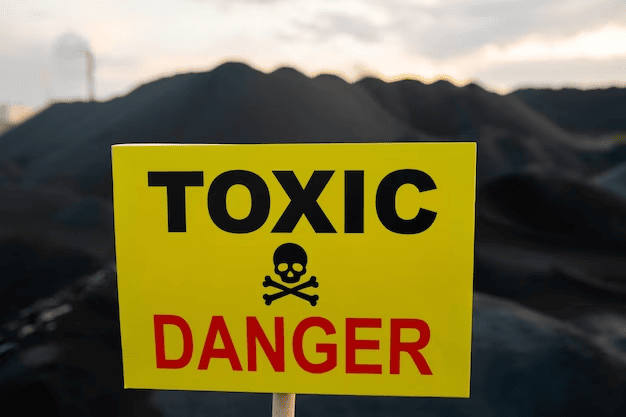
Be safe! Wear your PPE and follow your policies and procedures.
You might hear the following terms when talking about waste…
- Offensive waste: Urine, faeces, vomit and sputum.
- Clinical waste: offensive waste or other bodily fluids which pose or may pose a risk of infection. This means the individual has or is very likely to have an infectious disease.
Waste can be classified as:
- Hazardous waste: is likely to cause harm through infection, chemical or physical injury.
- Non Hazardous waste: is unlikely to cause harm

If you work in an individual’s home…
You will probably put most of the waste in their household rubbish or recycling. You should double-bag all hygiene waste, including soiled PPE, and if possible make sure it goes straight into the main black bin.
It’s not pleasant if the bin inside the house is left for any period of time with offensive waste in it, even if it is double-bagged!
However, you may need to use a sharps bin or hazardous waste disposal if they are present and the risk assessment is in place for you to follow

If you work in a care home or healthcare setting…
There will be more detailed procedures in place with hazardous waste and sharps disposal in use alongside the normal household rubbish and recycling services.
Are there procedures in your work environment for colour coding and do you know what these are? If not, talk to your employer.
Here are some of the most common coloured bags which you might come across…
Waste segregation colour coding scheme
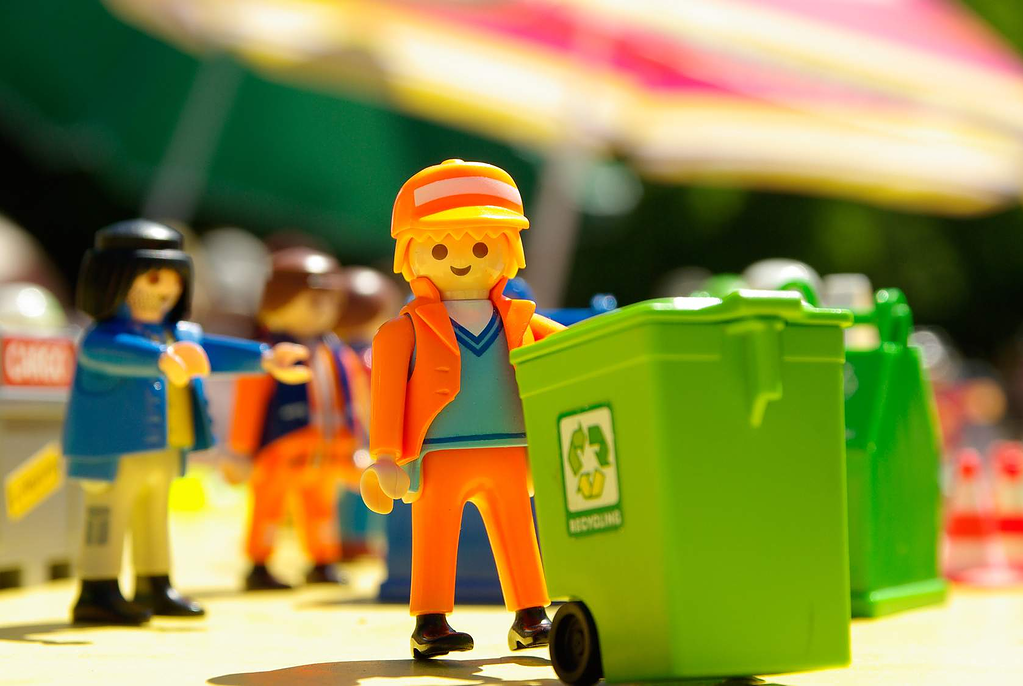
Proper waste control is good for you and the environment. It can also save money too!
Make sure you know about which waste can go in the following bags…
The Department of Health has more information about waste classification and detailed guidance. Click on the button to the right to find out more information.
Laundry procedures to prevent contamination
Find out if your employer has a laundry policy.
As well as these general principles, it will give guidance on where things are kept in your workplace…


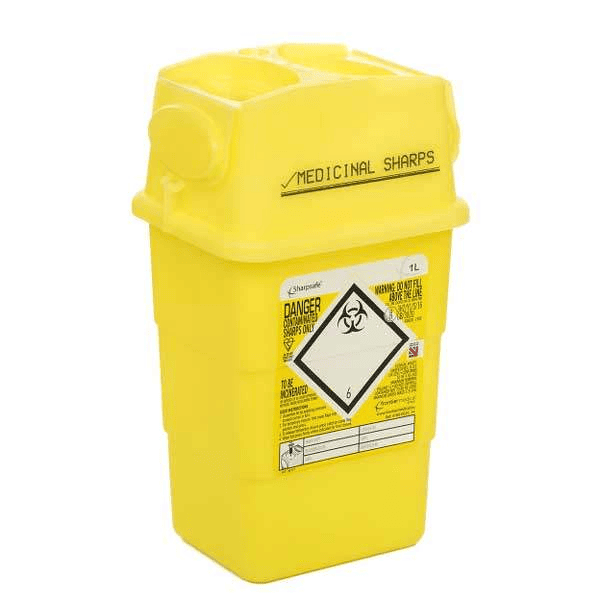
A sharps box is an approved, yellow container used to dispose of all used needles, syringes, lancets (used with finger-pricking devices) and clippers. Needles can cause injury to you or other people because they are sharp.
Used needles carry blood-borne viruses that may be passed on to other people, such as: HIV, Hepatitis B and Hepatitis C.
A sharps box must …
- Be securely out of sight and reach of other people who may be present.
- Be kept in the car boot if workers are transporting sharps by car.
- Be replaced according to local, agreed arrangements for your area.
- MUST NOT be filled past the ‘full’ line marked on the bin.
When handling sharps do not …
Once disposed of, DO NOT try to take items back out of the sharps box.

If you pierce or puncture your skin with a used needle, follow this first aid advice immediately:
You can now return to the assessments and complete any outstanding tasks. Once you have completed your assessment, you can see and download your certificate.
If you have any feedback, you can complete our quick evaluation form when you view your certificate.
.svg)



