
Module 3: Formwork Safety & Risk Management

1. OSHA/BS EN 12812 Compliance
Formwork safety is governed by strict regulations to prevent structural failures and worker injuries. Compliance with OSHA (U.S.) and BS EN 12812 (Europe) ensures structural integrity and safe working conditions.
Collapse Prevention & Bracing Design:
Load-Bearing Capacity: Formwork must withstand fresh concrete pressure, construction loads, and environmental forces.
Bracing Requirements:
Diagonal and horizontal bracing to resist lateral forces (wind, concrete pressure).
Adjustable steel props with lock pins to prevent slippage.
Eurocode 5 (EN 12812) specifies minimum bracing stiffness and spacing.
Inspection Protocols: Daily checks for loose connections, damaged components, or excessive deflection.
Edge Protection & Fall Arrest Systems:
Guardrails: Must be ≥1m high with mid-rails and toe boards (OSHA 1926.501).
Safety Nets & Harnesses: Used where guardrails are impractical (e.g., climbing formwork).
Scaffold Integration: Platforms must be fully decked with secure access ladders.
2. Hazard Identification & Mitigation
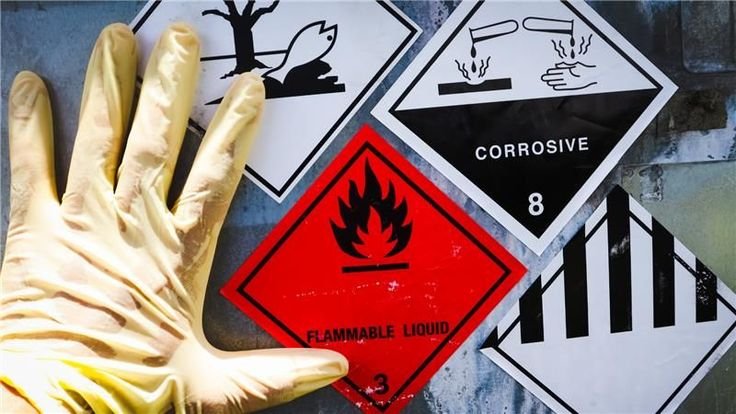
Proactive risk assessment minimizes accidents during formwork erection, pouring, and stripping.
Wind Loads & Instability Risks:
Design Wind Speed: Forms taller than 6m require wind load calculations (e.g., ASCE 7-22 or Eurocode 1).
Anchoring Solutions:
Tie rods to existing structures.
Ballast weights for freestanding systems.
Real-Time Monitoring: Anemometers to halt work at unsafe wind speeds (>40 km/h).
Overloading & Instability:
Concrete Pour Control: Limit pour rates to prevent excessive hydrostatic pressure.
Falsework Overloading: Avoid stacking materials on fresh slabs or unshored forms.
Stability Checks: Ensure props are plumb and bases are on firm, level ground.
Emergency Response Planning:
Rescue Procedures: Training for harnessed-worker retrieval.
Collapse Protocols: Evacuation routes and assembly points.
First Aid Kits & Cranes: On-site for immediate response to falls or structural failures.
Key Takeaways:
Pre-emptive Design: Bracing and anchorage must comply with OSHA/EN 12812.
Worker Protection: Guardrails, harnesses, and nets are non-negotiable.
Dynamic Risks: Wind and overloading require real-time monitoring.
.svg)



