
9. Communicating with people with Dementia

Losing the ability to communicate can be frustrating for a person with dementia, their families and carers.
As the illness progresses, the person with dementia gradually loses their ability to communicate.
They find it more and more difficult to express themselves clearly and to understand what others say.
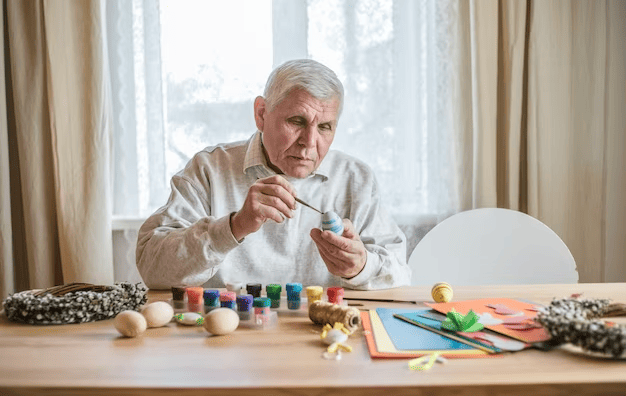
A person’s ability may fluctuate throughout the day. If possible, save important conversations for times when the person appears to be most alert, for example, in the morning when they are well rested and have eaten breakfast. You could take a gentle walk around the garden when they are comfortable and receptive because the environment is allowing them to use their long term memory and skills.

I wish I looked that cool in my specs!
It is important to check that communication problems are not due to impaired vision or hearing.
Glasses or a hearing aid may help some people.
Check that hearing aids are functioning correctly and glasses are cleaned regularly.

A caring attitude, use of appropriate body language and maintaining a positive and supportive environment are important aspects of communication.
Negative body language, such as sighs and raised eyebrows, can be easily picked up.
It is important to pay attention to how you present yourself to a person with dementia. There are a number of strategies or approaches you can use to communicate positively with a person with dementia, to make yourself understood and to show you care for them.

You must adopt a caring attitude. People retain their feelings and emotions even though they may not understand what is being said, so it is important to always maintain their dignity and self-esteem.
Be flexible and always allow plenty of time for a response. Where appropriate, and risk assessed as safe to do so, use touch to keep the person’s attention and to communicate feelings of warmth and affection.
Ways of talking
When you talk to a person with dementia, try to:
Your body language is a very important part of how you communicate.
You may need to use some hand gestures and facial expressions to make yourself understood. Pointing or demonstrating can help.
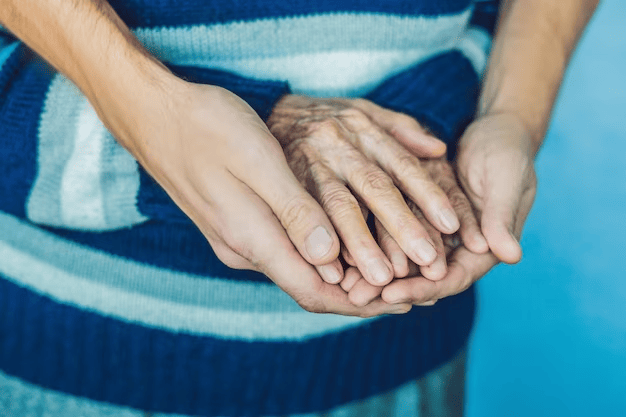
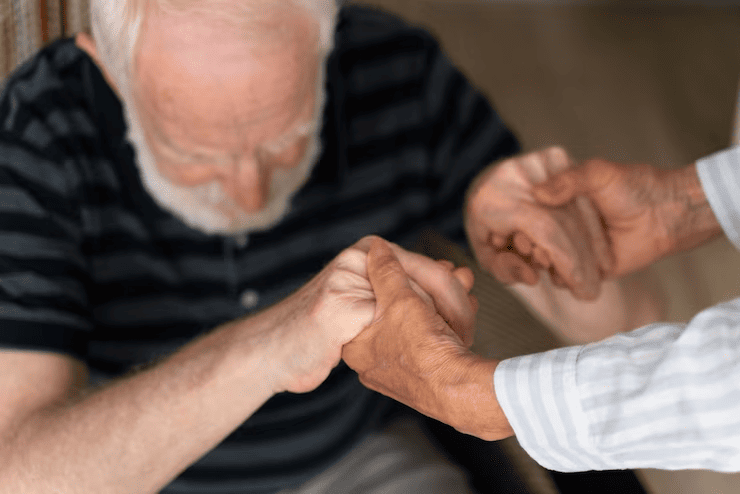
Touching and holding the person’s hand may help keep their attention and show them that you care.
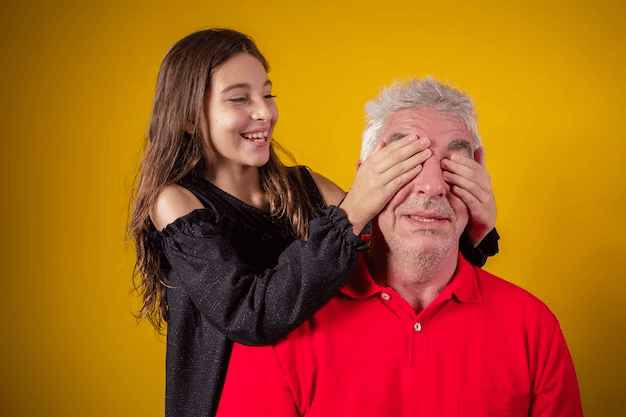
A warm smile and shared laughter can often communicate more than words can.

The right environment will help.
When communicating with a person with dementia, try to:
These are some of the things you should not do when communicating with a person with dementia.
Expand each marker on the picture. You can use an “ET phone home” voice if you want to. Go on, make yourself smile!

Argue with the person.
This will only make the situation worse.
Instead, focus on what they can do.
A condescending tone of voice may be picked up, even if the words are not understood.
Condescending means talking down to people and acting in a way that suggests you are superior.
Be assertive and calm but not bossy.
This is very rude in any situation!
Positive communication will help a person to maintain their dignity and self-esteem.
.svg)



